Iranian Scholar Urges President to Broaden Dialogue, Address Public Anxiety
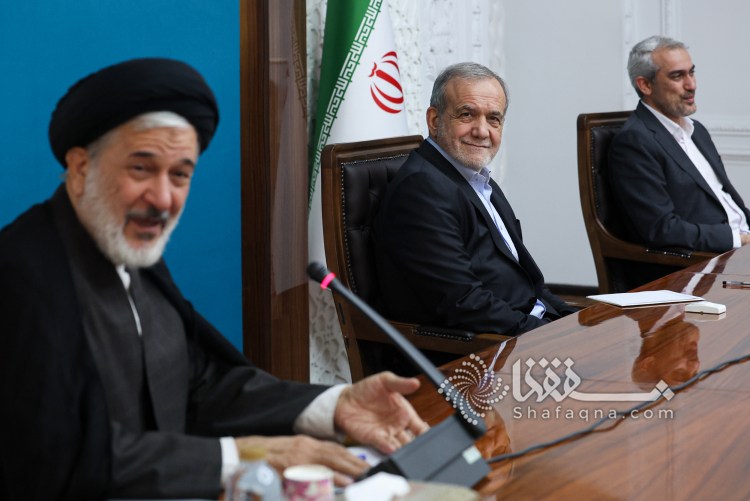
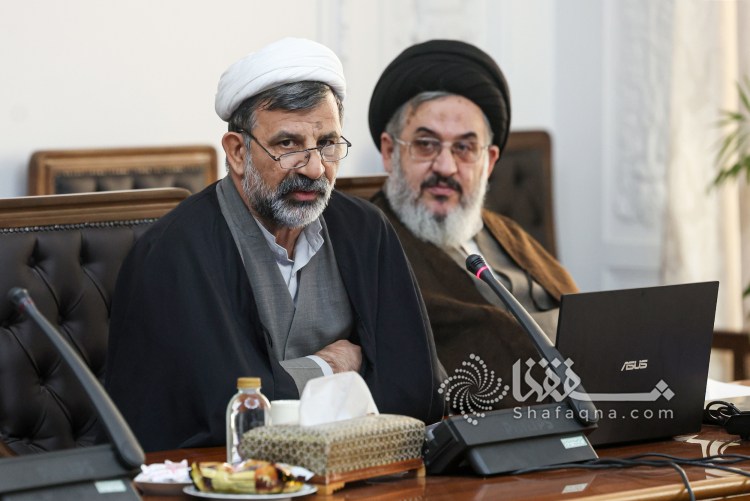
Tehran, Iran – In a significant appeal to the nation’s leadership, Professor Mehrizi, a distinguished Iranian scholar, has urged President Ebrahim Raisi to expand the scope of dialogue within governance to alleviate pervasive public anxiety. Speaking at a meeting with the President that included prominent seminary professors and researchers, Professor Mehrizi underscored the imperative of restoring psychological security to society and moving beyond empty rhetoric.
The scholar began by commending President Raisi’s “human-centric” and “people-oriented” approach in addressing recent events, praising his consistent honesty, compassion, commitment, and unpretentiousness. This commendation set the stage for a series of recommendations aimed at strengthening national unity and stability.
The Foundation of Human Dignity
Professor Mehrizi emphasized the profound importance of human life and dignity in Islamic and Quranic teachings, citing the verse: “Whoever kills a soul… it is as if he had slain all mankind.” He highlighted that this divine decree applies universally, transcending specific affiliations or beliefs. Drawing from religious texts, he reminded leaders of the necessity for patience and mercy in dealing with the populace, referencing a divine caution against adopting a harsh demeanor. This principle, he argued, underscores God’s aversion to the destruction of humanity, underscoring a core tenet for governance.
Navigating Societal Anxieties
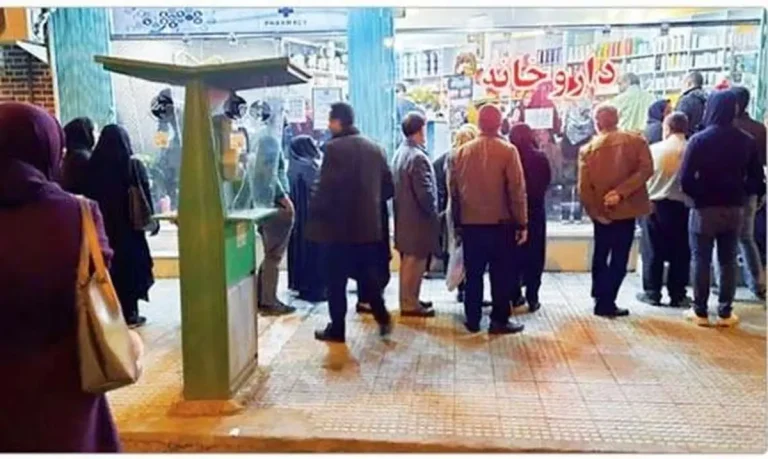
Beyond daily challenges such as economic hardships, unemployment, and environmental concerns, Professor Mehrizi pointed to a deeper “anxiety and apprehension stemming from uncertainty” that weighs heavily on the public psyche. He articulated the public’s predicament as being caught between “war or peace, negotiation or deadlock,” stressing that the nation’s 90 million citizens should not be left in such a volatile state. He asserted that it is both a religious and conventional responsibility of the government to restore psychological security and guide society out of this prevailing state of anxiety.
De-tabooing Peace and Negotiation
A crucial aspect of Professor Mehrizi’s appeal was his call to view peace and negotiation not as weaknesses, but as strategic avenues for progress. Citing the Quranic reference to the Treaty of Hudaybiyyah as a “clear victory,” despite its initial difficult terms for many companions, he illustrated how apparent concessions can lead to significant long-term achievements, such as the expansion of Islam. He posited that acknowledging the reality of an opposing party’s power through dialogue is a pragmatic step towards achieving broader national interests. Drawing on historical precedents like the peace treaties of the Prophet Muhammad and Imam Hassan, he argued that peace is often forged under specific, necessary circumstances and serves as a rational and religiously sanctioned path when it benefits the Islamic community.
Leadership as Parental Responsibility
Professor Mehrizi likened national leaders to compassionate parents who, for the honor and well-being of their children, may endure hardships and make difficult choices. He suggested that leaders must adopt a transcendent perspective, understanding that accepting certain temporary challenges can ultimately be the price of national dignity and glory. He further emphasized that governors are primarily representatives of the Iranian people, and their highest priority must be the interests of Iran and its citizens.
Fostering Unified Action, Dispelling Empty Rhetoric
To ensure cohesive governance, the scholar urged President Raisi to extend his interactive and inclusive approach to all levels of government and senior officials. This, he explained, would foster uniformity and consensus in implementation. Finally, Professor Mehrizi cautioned against the pitfalls of empty slogans and baseless propaganda. Referencing Imam Ali’s teachings, he advised against creating “thunder and lightning without rain,” advocating for actions that are impactful and constructive, much like silent, beneficial rain, rather than mere noise without substance. His counsel underscores a call for intelligent, unified action focused on the tangible benefits for the Iranian people.