Tehran City Council Faces Shake-Up: Prominent Critics Disqualified Ahead of Elections
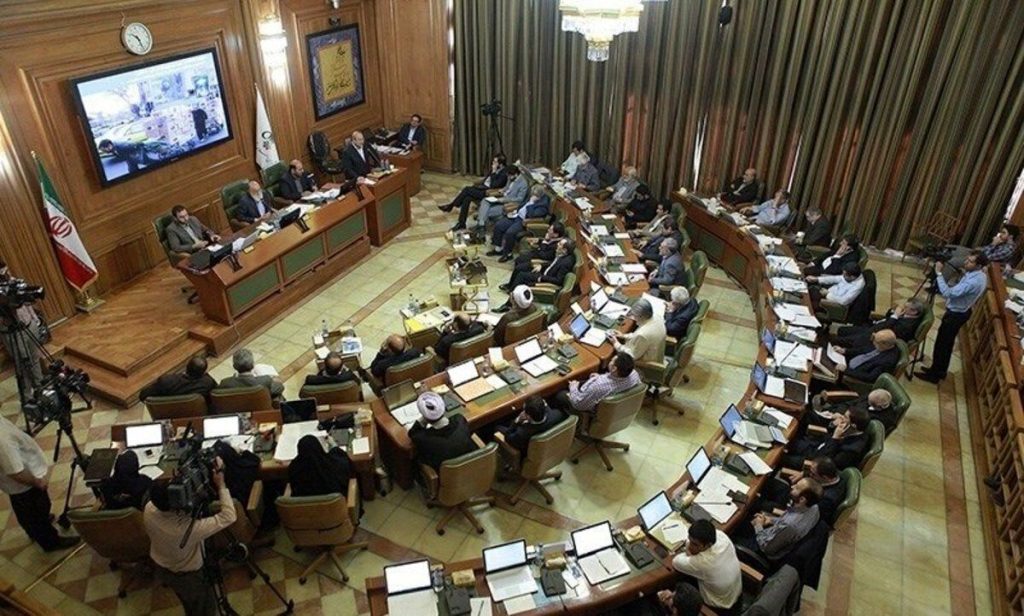
Tehran’s political landscape is currently experiencing significant discourse following the disqualification of several sitting City Council members from running in the upcoming 7th term elections. The decision, as reported by Shargh newspaper, specifically affects individuals known for their critical stance against Tehran Mayor Alireza Zakani, and has ignited widespread discussion within the capital’s political circles.
Eligibility Reviews Spark Debate
The results of the eligibility reviews, communicated to candidates via SMS by the Tehran County Election Headquarters, revealed that several prominent current council members were deemed ineligible. These individuals had, in recent months, frequently voiced critical opinions regarding the performance and decisions of the city’s management.
Among those disqualified are Ali-Asghar Ghaemi, Nasser Amani, Jafar Tashakkori Hashemi, and Mehdi Aghrarian. Their exclusion from the electoral race marks a notable development, reshaping the composition of potential candidates for the next council term.
Concerns Over Supervisory Processes
The disqualifications have brought renewed attention to the structure and impartiality of election supervisory bodies. Prior to this announcement, Sudeh Najafi, a member of the Tehran City Council Presidium, had publicly cautioned against the simultaneous involvement of senior party officials in these supervisory committees. Speaking in an open session of the council, Najafi stressed that such arrangements could create a “conflict of interest” and undermine public trust. She underscored the imperative for supervisory bodies to not only be independent but also to be perceived as independent, arguing that even the absence of a direct legal prohibition does not diminish the importance of avoiding even the appearance of impropriety.
Echoing these sentiments, Habib Kashani, another council member, had separately highlighted the necessity of accountability in situations where conflicts of interest arise, warning that accepting responsibility under such conditions could erode public confidence.
Scrutiny on Supervisory Board Composition
Observers have particularly noted the membership of Malek Shariati in the Tehran Election Supervisory Board. Shariati is known for his close ties to the political current supporting the current Mayor and is a member of the Front of Transformation Seekers (Jebhe-ye Tahavol-Khahan). This specific appointment had previously been a point of concern and has now re-emerged as a central topic of discussion in the wake of the disqualification announcements.
Wider Political Implications
Analysts suggest that these disqualifications occur at a time when a segment of society is grappling with political disillusionment, leading to predictions of a subdued electoral atmosphere. Some council members have voiced concerns that such developments could negatively impact voter participation and overall electoral enthusiasm. Consequently, there is an emphasized call for a swift, transparent, and well-reasoned summation of the eligibility review process. This is deemed essential to prevent the perception of “election engineering” from taking root among the public.
Moving Forward
The recent events have pushed discussions concerning the neutrality of supervisory institutions, the need for clearer regulations governing membership in supervisory boards, and a distinct separation between party responsibilities and oversight roles back to the forefront of the electoral discourse. These critical issues are anticipated to remain prominent topics of debate in the coming days as the election cycle progresses.