Ankara’s Repatriation Strategy: Over 180 ISIS-Linked Citizens Set to Return from Iraq
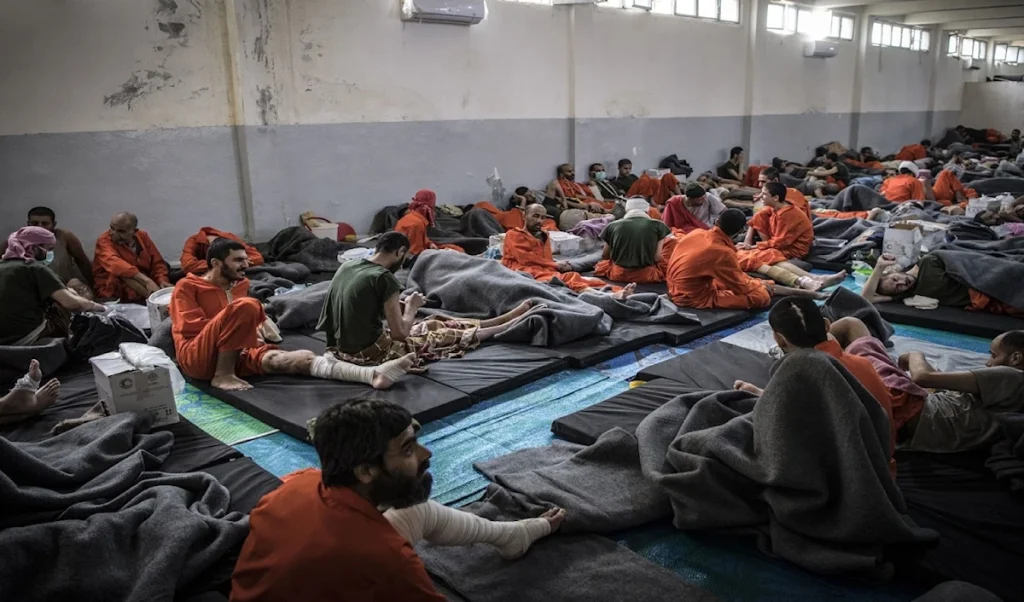
Baghdad, Iraq – Turkey is making significant diplomatic strides to repatriate over 180 of its citizens, currently imprisoned in Iraq for alleged ties to the ISIS terrorist group. This move underscores Ankara’s proactive approach to managing the complex aftermath of the conflict and the national security implications of its citizens involved in foreign terror networks.
Anil Bora Inan, Turkey’s Ambassador to Baghdad, confirmed advanced understandings between Ankara and Baghdad on the repatriation process. A crucial meeting is slated for next month in the Iraqi capital to finalize the operational mechanisms for transferring these individuals. The ambassador emphasized that the principle of repatriating citizens, including children, is a vital step in addressing the post-ISIS landscape, stressing the necessity for clear legal frameworks, robust identity verification, and structured judicial processes to manage their reintegration and any potential legal proceedings.
Divergent Global Approaches to Repatriation
While Turkey progresses with its plan, the global challenge of repatriating citizens with links to extremist groups continues to elicit varied national responses. In a stark contrast, Australia has publicly denied media reports suggesting plans to repatriate its citizens from camps in northern Syria, which house families of suspected ISIS members.
Reports had indicated that 34 Australian women and children were temporarily released from a Syrian camp but subsequently returned due to technical issues. This group was reportedly intended for transfer to Damascus and then to Australia, a move that faced considerable opposition from segments of Australia’s ruling party and the political opposition. Australian Home Affairs Minister Tony Burke explicitly refuted a “Sunday Telegraph” report detailing formal preparations for such a repatriation, stating, “The report alleges we are undertaking an operation of repatriation, which we are not.”
This divergence highlights the complex political and security calculus governments face when considering the return of citizens involved in foreign conflicts, balancing national security concerns with humanitarian considerations and international obligations. The Turkish initiative signals a firm commitment to addressing this challenge through bilateral cooperation and structured legal frameworks.