UN Rapporteur: Gaza’s Water Crisis a “Weapon of War” Amidst Infrastructure Collapse
Introduction
The United Nations has issued a stark warning regarding the catastrophic humanitarian situation in the Gaza Strip, directly linking the extensive destruction of water infrastructure to a deepening crisis. Pedro Arrojo-Agudo, the UN Special Rapporteur on the human right to safe drinking water and sanitation, condemned the alleged use of water as a weapon in the conflict, asserting it constitutes a grave violation of international humanitarian law.
Allegations of Water Weaponization
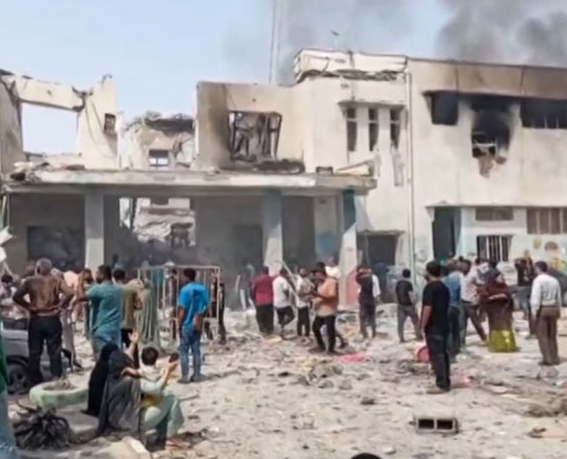
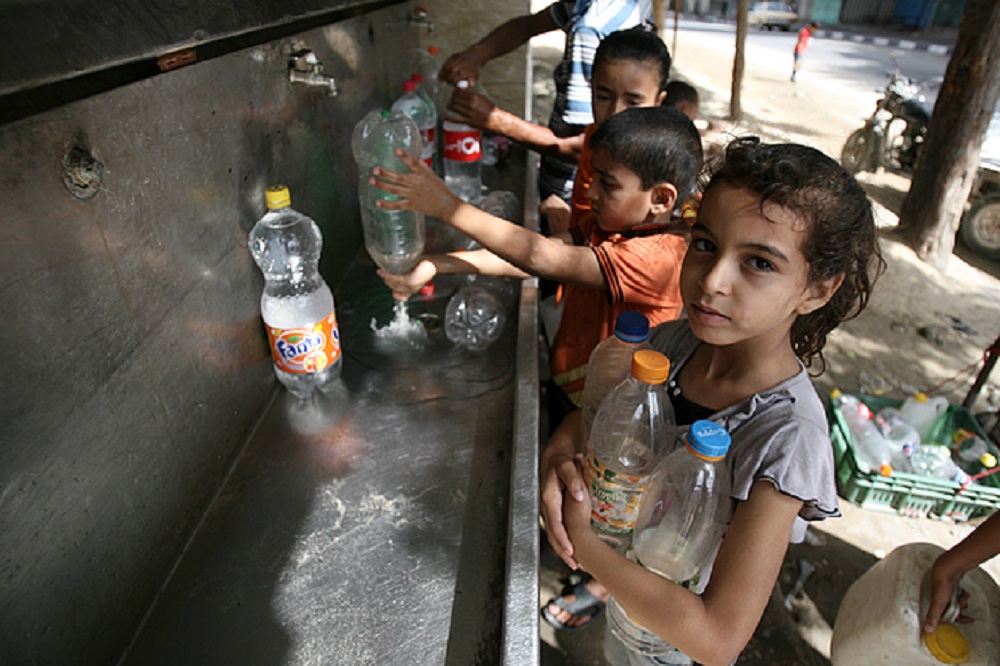
In pressing statements, Arrojo-Agudo highlighted reports indicating that approximately 90% of Gaza’s water treatment and desalination facilities have been destroyed or severely damaged during military operations. He emphasized that despite months passing since a cessation of hostilities, the water supply has not recovered to pre-conflict levels, leaving the population grappling with acute shortages of safe drinking water. This deliberate targeting, he argued, mirrors a strategy of “weaponizing” essential resources, a practice explicitly prohibited under international law.
Infrastructure in Ruins, Aid Stalled
The Special Rapporteur detailed the extensive damage to critical water infrastructure, including wells and reservoirs, which has drastically reduced the daily per capita availability of potable water. Compounding the crisis, international and humanitarian organizations face significant impediments in delivering necessary equipment and materials for urgent repairs, hindering any substantial efforts towards recovery.
Mounting Health Risks
The collapse of water and sanitation systems has precipitated a severe public health emergency. Arrojo-Agudo warned of escalating health risks, particularly for vulnerable groups such as children and the elderly, due to the widespread contamination of water and the disruption of sewage networks. The dire environmental conditions significantly increase the likelihood of widespread disease outbreaks, exacerbating an already fragile humanitarian landscape.
International Calls for Adherence and Reconstruction
Citing reports from prominent human rights organizations, including Human Rights Watch and Oxfam, which corroborate the use of water as a tactic of pressure, Arrojo-Agudo underscored the international community’s responsibility to act. He unequivocally called for Gaza’s reconstruction to be conducted in strict adherence to international law, ensuring the fundamental human right to safe drinking water is guaranteed for all residents. His appeal included urgent demands for facilitating unrestricted entry of aid, reactivating essential water treatment plants, and preventing any future targeting of these vital civilian installations.