Madrid ‘Blindsided’ by German Support for US Pressure Tactics Over Iran Stance
Madrid has expressed “surprise” and “disbelief” at what it perceives as Germany’s backing of US pressure tactics against Spain. The diplomatic friction centers on Washington’s demands for Spain to permit the use of its military bases for potential operations concerning Iran, a request Madrid has thus far resisted.
Spanish Foreign Minister Expresses Shock
Spanish Foreign Minister José Manuel Albares publicly conveyed Madrid’s astonishment following remarks made by German Chancellor Friedrich Merz. Speaking on state television, Albares stated, “I cannot imagine [former] Chancellors [Angela] Merkel or [Olaf] Scholz making such statements,” indicating a significant shift in Germany’s diplomatic posture in Madrid’s view. Spain has formally communicated its “surprise” to Berlin regarding Merz’s comments.
US Leverage and Defense Spending
The underlying tension stems from threats made by former US President Donald Trump, who vowed to reduce trade with Spain. These threats were directly linked to Spain’s steadfast refusal to allow the United States access to its military installations for potential action involving Iran.
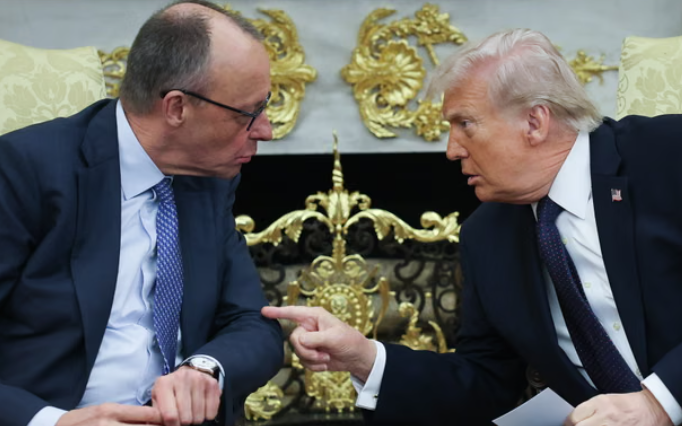
The situation escalated during Chancellor Merz’s visit to the White House on Tuesday. During his discussions, Merz reportedly suggested that Madrid should be “convinced” to increase its NATO defense spending to 3.5% of its GDP. This statement has been interpreted in Madrid as an alignment with the US strategy of leveraging defense spending targets against Spain to achieve Washington’s broader geopolitical objectives, specifically concerning the use of Spanish bases for operations related to Iran.
Implications for European Unity
The unfolding diplomatic row raises questions about European solidarity and the potential for internal divisions when faced with external pressure. Madrid’s reaction underscores the complexities of transatlantic relations and the challenges European nations face in balancing national sovereignty with alliance commitments, particularly when sensitive geopolitical issues are at play. The incident highlights the intricate web of interests influencing European foreign policy and defense cooperation.