India Mobilizes Emergency Powers as Geopolitical Storms Threaten Energy Security, Major Cities Face Economic Ripple Effect
New Delhi, India – India has swiftly invoked emergency legislative powers to safeguard its domestic gas supply, grappling with severe disruptions triggered by escalating geopolitical tensions in the Middle East. The move comes as critical energy lifelines face unprecedented pressure, leading to the immediate threat of hospitality sector shutdowns in major economic hubs like Mumbai and Bengaluru.
Geopolitical Undercurrents and India’s Energy Lifeline
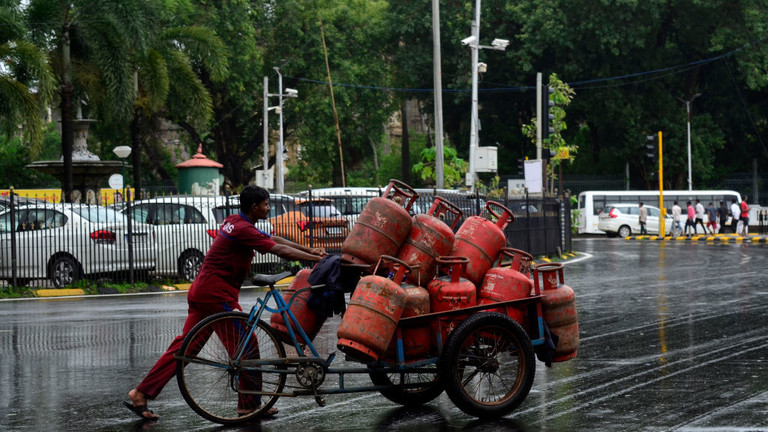
The federal government on Tuesday activated the “Essential Commodities Act” to ensure a consistent supply of liquefied petroleum gas (LPG) for its 1.4 billion citizens. This legislation empowers the government to regulate the production, storage, and transport of vital goods, aiming to shield consumers from price manipulation and artificial shortages.
India, heavily reliant on energy imports, sources approximately 85% of its oil and nearly half of its natural gas from international markets. A significant portion of these crucial supplies—around 50% of its oil and 55% of its liquefied natural gas (LNG) shipments—traverse the strategically vital Strait of Hormuz.
The current disruptions are directly linked to escalating geopolitical tensions in the Middle East, which have significantly impacted shipping activities in the Strait of Hormuz. This instability has placed immense strain on global energy supply chains, forcing India to recalibrate its energy security strategy.
Government’s Emergency Directives
In response, the federal government has issued directives to refineries and petrochemical units, instructing them to boost LPG production and reallocate primary hydrocarbon streams towards LPG reserves. Oil refining companies have also been ordered to mitigate the impact of LNG supply disruptions wherever feasible.
Furthermore, the government has mandated a strict prioritization scheme for gas distribution. Households and transport vehicles will receive the highest priority for LPG supply. Following this, fertilizer plants, crucial for agricultural productivity, are slated to receive 70% of their current gas consumption. The third tier of prioritization includes tea, manufacturing, and other industrial consumers, who will maintain supply at 80% of their existing consumption levels. Smaller industrial and commercial customers will also receive 80% of their current supply.
Economic Ripple Effect: Hospitality Sector Under Pressure
The emergency measures come in the wake of mounting energy costs and constricted supply, which have already forced hotels and restaurants in key cities like Bengaluru (the nation’s IT hub) and Mumbai (the financial capital) to announce closures or significantly curtailed operations starting Tuesday.
Industry representatives have voiced concerns, noting that most restaurants typically hold only two to three days’ worth of raw material inventory. This limited buffer means that any sustained disruption in supply can rapidly cripple their operations. Recognizing the immediate crisis in the hospitality sector following a sudden shortage of LPG cylinders, the Ministry of Petroleum has established a committee to investigate and address these urgent supply issues.