Middle East Tensions Mount: Gulf States Shoulder the Cost and Re-evaluate US Ties
Gulf Arab nations are increasingly expressing profound concern as they bear the significant economic and security costs of escalating regional tensions. This challenging dynamic is prompting a critical re-evaluation of long-standing security alliances and regional partnerships.
The Unwanted Burden
According to Reuters, citing Gulf sources and analysts, there is a strong sentiment that while external powers may be perceived as triggering regional conflicts, the financial and security burden disproportionately falls on the oil-producing Gulf states. Behind the scenes, discontent is reportedly growing in Gulf capitals, as these nations emphasize they neither initiated nor approved the current escalations.
These countries are now facing substantial economic and military consequences, with airports, hotels, ports, military installations, and oil facilities reportedly being targeted or impacted. Ibtisam Al Ketbi, head of the UAE Policy Center, encapsulated this frustration, stating, “This is not our war. We did not want this conflict, but we are paying the price with our security and economy.”
Questioning External Engagement
Concerns are mounting regarding the approach of certain external actors, with many believing that recent conflict escalations were initiated without adequate consultation. This has fueled dissatisfaction among Gulf states, leading to a critical examination of their strategic relationships.
Economic Fallout and Regional Stability
The ripple effects of the heightened tensions are widespread. Across the region, airspace closures have led to the cancellation of approximately 40,000 flights by airlines, marking the largest disruption to global air travel since the COVID-19 pandemic. Gulf tourism has also suffered, jeopardizing the region’s carefully cultivated image as a secure and luxurious holiday destination.
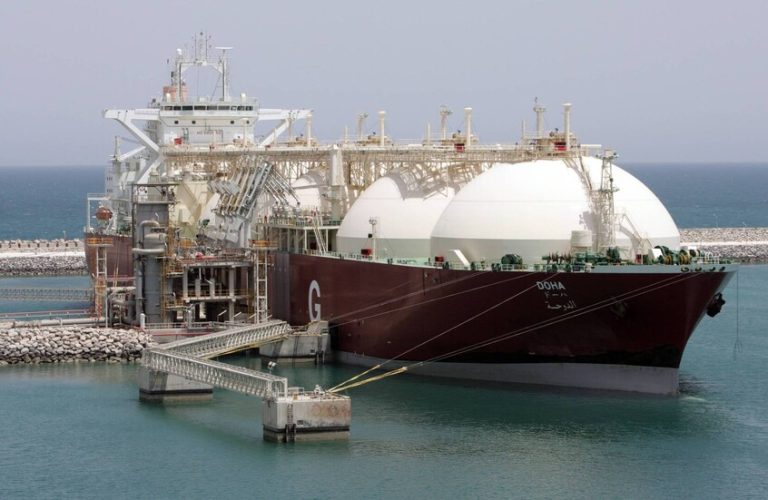
Furthermore, the stability of critical shipping routes remains a significant concern. Amin Nasser, CEO of Saudi Aramco, recently warned that continued disruptions to maritime transport through the Strait of Hormuz would have “catastrophic consequences” for global oil markets.
Re-evaluating Security Alliances
Analysts suggest that the current climate is compelling Gulf states to fundamentally reassess their security reliance on Washington. For decades, the relationship between Washington and Gulf states was built on an implicit quid pro quo: Gulf energy and capital – including hundreds of billions spent on US armaments, advanced technology, and services – in exchange for US security backing. This long-held paradigm is now reportedly being shaken.
In a rare public critique, prominent Emirati businessman Khalaf Al Habtoor reportedly questioned the objectives of US and Israeli actions targeting Iran. He asked whether the regional repercussions, or the cost of dragging the Gulf into a conflict, had been adequately considered or simply disregarded.
Navigating a Complex Future
The unfolding events underscore the challenging predicament for Gulf states as they navigate escalating regional complexities. As they critically assess the future of their strategic partnerships and security frameworks, these nations face the imperative of safeguarding their stability and economic interests amidst a rapidly shifting geopolitical landscape.