Tehran’s Heritage Sites Damaged; Official Attributes Harm to External Aggression
Tehran, Iran – A senior Tehran official has announced significant damage to 24 of the capital’s invaluable historical sites and cultural landmarks. Seyed Ahmad Alavi, Chairman of the Tourism and Cultural Heritage Committee of Tehran City Council, stated on Wednesday that these sites have been impacted over the past two weeks, with the number of affected locations reportedly increasing daily.
Official Statement on Damage
According to Alavi, Tehran attributes the extensive damage to what he described as “aggressive actions and impacts by the Zionist regime.” He emphasized the severity of the situation, highlighting that numerous cherished cultural assets and historical structures have sustained harm.
Affected Palaces and Royal Residences
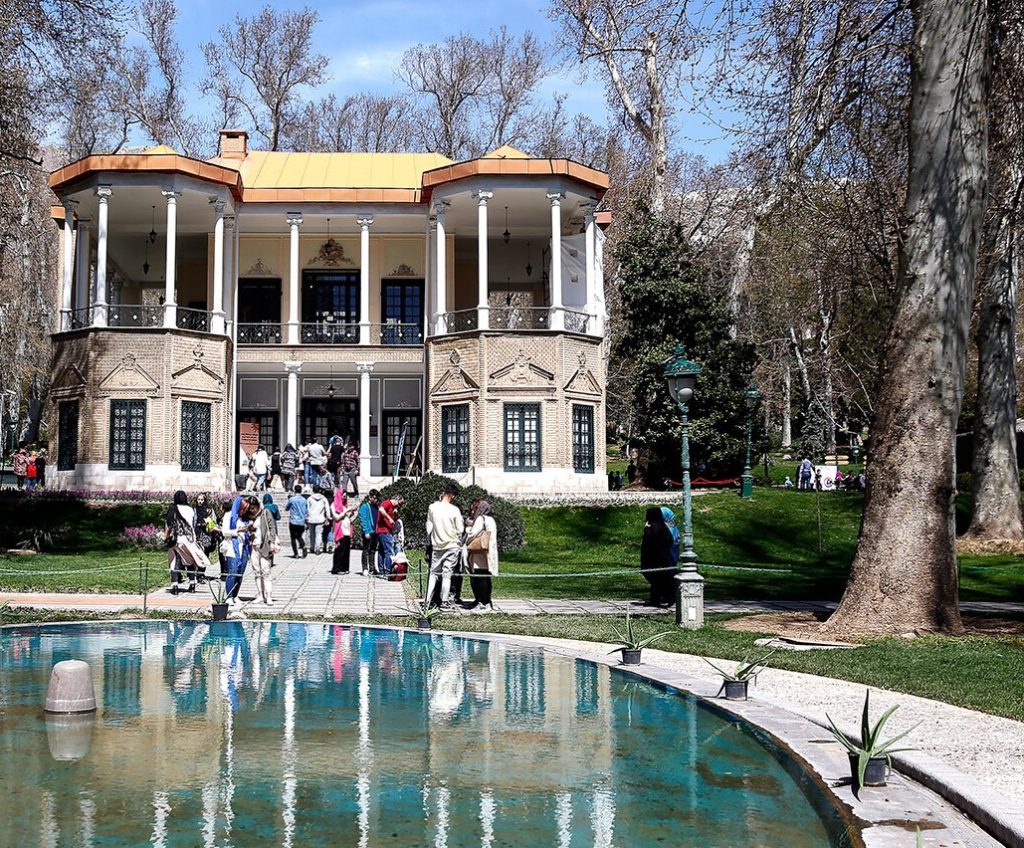
Among the sites reported to have suffered serious damage are several of Tehran’s historic palaces, which serve as crucial repositories of the nation’s rich heritage. These include the UNESCO-listed Golestan Palace, Sa’dabad Palace, Marble Palace, Saltanatabad Palace, Farahabad Palace, and Eshratabad Palace. These royal residences are vital for understanding Iran’s past dynasties and architectural prowess.
Impact on Museums and Cultural Institutions
The official also noted damage to several of the capital’s prominent museums and cultural institutions. These include the Qasr Garden Museum, the Tehran Historical Arg, Haft Chenar Museum, Aerospace Museum, Electricity Industry Museum, and the Institute for the Intellectual Development of Children and Young Adults History Museum. These institutions play a critical role in preserving and presenting Iran’s scientific, artistic, and historical narratives.
Key Landmarks and Historic Buildings Damaged
Beyond palaces and museums, the reported damage extends to other significant landmarks and historical buildings. Professor Adl’s House, which functions as the Art Research Institute, and the Nezamiyeh Mansion in Baharestan, have both sustained damage. Additionally, parts of Azadi Tower, including its gallery, were affected by blast waves. Sections of Mehrabad Airport and valuable parts of Azadi Stadium also reportedly incurred damage. The historic Chal Hesar (Ardabiliha) Mosque in the Sangalaj neighborhood, dating back to 1920, was also listed among the damaged sites.
Furthermore, Alavi specified that the old Judiciary building, the former Senate Building (Sana Palace), and the historic Vusuq al-Dawlah House have also been impacted.
Assessment Underway
Alavi confirmed that a comprehensive assessment of the extent of the damages to the capital’s cultural heritage and tourism infrastructure is currently underway. The findings of this evaluation are expected to guide efforts for restoration and preservation of these invaluable sites.