West Asia Conflict: The Geopolitical Forces Redrawing the Global Energy Map
Tehran, Iran – March 2026 – A major regional conflict in West Asia, which began in late February 2026, has plunged the global energy market into its most volatile period in decades, fundamentally reshaping supply chains and pricing dynamics. According to Afshin Javan, an energy economist cited by IRNA, the escalating geopolitical tensions have created unprecedented disruption, highlighting the deep interconnections between regional security and global energy stability.
Disruption in the Persian Gulf
The ongoing conflict has severely impacted energy infrastructure and crucial oil transport routes within the Persian Gulf. Javan notes that a significant consequence has been a near halt in tanker traffic through the Strait of Hormuz, a critical chokepoint through which approximately 20 million barrels of oil and petroleum products – roughly one-quarter of the world’s seaborne oil trade – passed daily before the conflict.
This disruption has forced producers in the Persian Gulf to drastically reduce or even cease operations, leading to an estimated daily production cut of at least 10 million barrels. The sudden contraction in supply has introduced a systemic risk to the global energy market, with far-reaching economic implications.
Unprecedented Price Volatility and Reflexive Markets
The financial energy markets reacted swiftly and dramatically. Brent crude prices initially surged towards $120 per barrel in the early days of the crisis before settling around $92 following a mix of political and economic signals. However, the defining characteristic of this period has been extreme price volatility. On March 9, 2026, for instance, Brent crude experienced a daily fluctuation range of over $35, marking one of the largest on record.
This instability, Javan explains, stems from three primary factors: uncertainty surrounding the conflict’s duration, ambiguity regarding the operational status of the Strait of Hormuz, and the market’s reciprocal reaction to political and military developments. The market is now operating in what economists term a “reflexive market” condition, where political decisions and market perceptions mutually influence each other. Even narratives and signals from market participants can sway prices without an immediate physical change in oil supply.
Global Response and Strategic Reserves
In an effort to mitigate the severe supply shock, member countries of the International Energy Agency (IEA), representing major energy consumers, initiated the largest strategic petroleum reserve release in history. This plan involves injecting 400 million barrels of emergency oil onto the market. The United States, as part of this program, committed to releasing 172 million barrels from its Strategic Petroleum Reserve (SPR) over approximately 120 days, an urgent measure aimed at preventing extreme energy price spikes and a potential global economic recession.
A key indicator of the current market distress is the steep backwardation in the oil futures curve, where near-term contract prices are significantly higher than long-term ones. This signals the market’s expectation of short-term supply disruptions. Javan warns that while a de-escalation of tensions could quickly eliminate this “geopolitical premium,” potentially returning prices to the $65-68 range, the premium will persist as long as geopolitical risks remain elevated.
Far-Reaching Economic Consequences
The conflict’s impact extends globally, with Asian economies bearing the brunt of the Strait of Hormuz disruption. Approximately 90% of the oil transiting this route is destined for Asia, a region with limited immediate alternatives. Key statistics underscore this vulnerability: 27% of global seaborne oil trade and 20% of global oil consumption depend on Hormuz. China alone receives about 37.7% of the oil passing through the strait, making prolonged crisis particularly damaging to Asian economies.
The gas market has also seen disruptions, with some LNG facilities in the Persian Gulf region, including Qatar, temporarily ceasing operations. This could reduce global LNG supply by up to 20% for several weeks. However, China’s LNG market has so far managed to avoid physical shortages due to robust reserves, increased gas imports from Russia, and augmented domestic production.
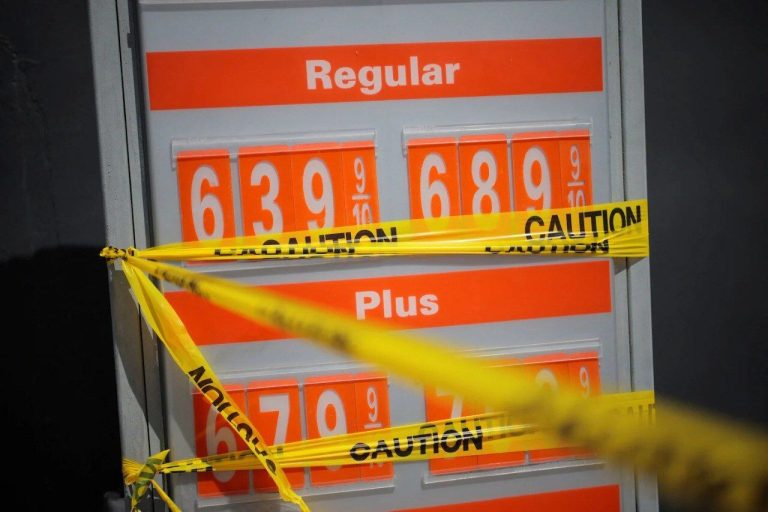
On a broader macroeconomic level, rising oil prices have a direct inflationary effect. Every $10 increase in oil prices can add an estimated 20 to 25 cents to gasoline prices in the United States, intensifying inflationary pressures, burdening consumers, slowing economic growth, and complicating monetary policy decisions for central banks worldwide.
Three Scenarios for the Future Energy Market
Javan outlines three potential scenarios for the future of the energy market:
- De-escalation: A reduction in tensions and a gradual reopening of the Strait of Hormuz could see oil prices stabilize around $70 per barrel.
- Limited Conflict: If tensions persist at current levels, oil prices are likely to remain in the $90-110 range, necessitating continued reliance on strategic reserves by consumer nations.
- Escalation: An intensification of the conflict could lead to prolonged disruptions in Persian Gulf exports, pushing oil prices beyond $130 per barrel.
In conclusion, the global oil and gas market entered a phase of severe geopolitical instability in March 2026. The long-term trajectory of energy prices and supply security hinges on two critical factors: the duration and intensity of the regional conflict, and the restoration of secure energy transport routes. Until these geopolitical challenges are resolved, the energy market will continue to grapple with high risks and significant price volatility.