Hungary’s Political Shift: EU Divisions Loom Despite Leadership Change, Says Bloomberg
Budapest’s New Political Landscape and its European Horizon
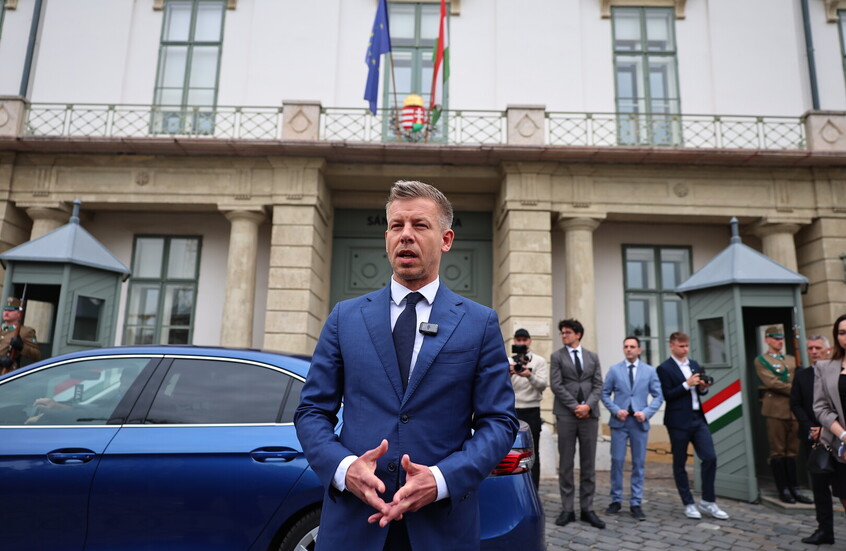
A recent report by Bloomberg suggests that while a significant power shift is underway in Hungary with the rise of Péter Magyar’s Tisza party, fundamental divisions between Budapest and the European Union are likely to persist. The article, citing its sources, indicates that many expected reforms at the EU level may remain in limbo, as Hungary’s past vociferous objections often mirrored deeper rifts within the Union itself.
Enduring Disagreements on Key Policies
Bloomberg emphasizes that Péter Magyar is not anticipated to entirely abandon Hungary’s previous stances, particularly on critical issues such as migration policy and energy. The report posits that even with a potential change in leadership in Budapest, fundamental disagreements impacting the EU’s decision-making processes are unlikely to undergo a substantial transformation.
A “Known Unknown” on the European Stage
Adding to the nuanced outlook, a senior European official, speaking anonymously, characterized Magyar as largely remaining a “known unknown” on the political stage. This sentiment reflects a segment of opinion within the EU, suggesting that while the new leadership brings a change, its precise alignment and impact on bloc-wide policies are yet to be fully determined.
Hungary’s Commitment to European Frameworks
Earlier statements from Hungarian officials have consistently underscored that the Tisza party, should it ascend to power, would operate within the broader European policy framework. These pronouncements suggested that significant resistance to Brussels’ directives, especially concerning Ukraine’s EU membership and financial support for Kyiv, would be unlikely to materialize fully under their leadership.