Iranian Research Institute Reaches Human Trial Milestone with Pioneering Cancer-Fighting Virus
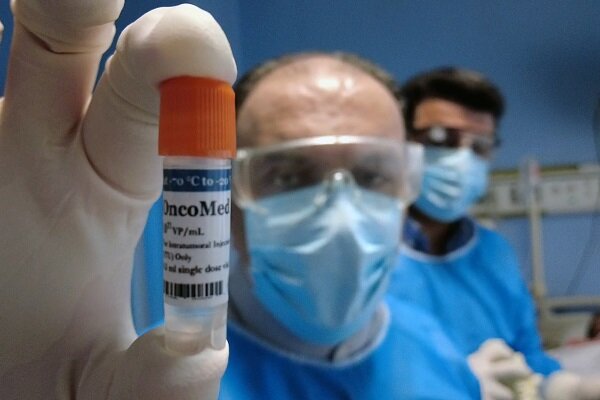
In a significant stride for Iran’s medical science sector, a domestically developed oncolytic virus therapy has entered its first phase of human clinical trials for treating cancers, including those of the liver and lung. This breakthrough, achieved by the Motamed Cancer Research Institute affiliated with the Academic Jihad, marks a pivotal moment in the nation’s pursuit of advanced biomedical sovereignty.
The Science of Targeted Viral Warfare
Oncolytic virotherapy represents one of the most innovative frontiers in cancer treatment globally. The method employs genetically engineered viruses designed to specifically target and destroy cancer cells while leaving healthy tissue unharmed. These “oncolytic viruses” not only directly attack tumors but also stimulate the body’s own immune system to mount a more robust defense against the disease.
Dr. Sarami Foroushani, head of the Motamed Cancer Research Institute, explained the mechanism, stating, “These functional viruses have the ability to replicate and attack target tissues, including cancerous ones. Through genetic engineering, we design them to be targeted and specific, only attacking cancer cells, remaining inactive in healthy tissues, and demonstrating high effectiveness.”
A Journey of “Jihadi” Perseverance and Self-Reliance
The path to this clinical milestone has been complex and driven by a determined, homegrown effort. The project was initiated three to four years ago, relying not only on technical expertise but also on what Dr. Foroushani described as a “jihadi mindset”—a commitment to a transcendent goal, even at the expense of personal interest—and trust in the country’s young elites.
“From a scientific standpoint and in terms of ‘knowledge sediment,’ we lack nothing in this country,” Dr. Foroushani asserted, drawing on his experience at prestigious international research centers. He highlighted that the success was accelerated by providing minimal necessary infrastructure and relying on the specialization of young Iranian scientists.
The team successfully engineered an oncolytic adenovirus, completed the production process, and concluded all laboratory tests and pre-clinical animal studies with success. “We have now entered the first phase of human clinical trials,” Dr. Foroushani announced, describing it as a “national honor.”
Inside the Groundbreaking Clinical Trial
The Phase I trial involves 20 volunteers. Each participant is scheduled to receive five injections, starting with a low dose and escalating logarithmically to a final dose equivalent to 10¹² viral particles. The virus is administered via intratumoral injection—directly into the tumor tissue—to maximize its effect and minimize interference from the immune system. Approximately 50 injections have been successfully administered to date.
A key feature of the trial design is the complete separation of the clinical execution team from the virus production team to prevent any potential conflict of interest in evaluating results.
Navigating Challenges and Looking Ahead
The development has not been without significant hurdles. The project lead cited the intricate nature of viral engineering, large-scale production, and purification as major technical challenges. Furthermore, international sanctions have severely limited access to raw materials and specialized equipment, forcing the team to procure them at multiplied costs and without manufacturer support, fostering a necessary but complex path of self-reliance.
“The main challenge now is the time required to transform this technology into a standard, distributable drug within the health system,” Dr. Foroushani noted. He emphasized that while the technical knowledge and capability exist entirely within Iran, achieving final commercialization requires targeted support from regulatory bodies and policymakers, alongside the development of standardized industrial-scale production infrastructure.
When asked for a timeline for the therapy to become an official medicine, Dr. Foroushani offered a telling contrast: “With a purely academic and governmental mindset, 100 years. With a jihadi mindset, God willing, 5 years.”
This milestone firmly positions Iranian researchers on the global map of advanced cancer therapy development, demonstrating a formidable capacity for innovation despite external constraints.