Rewritten Title: A New Era of Wealth: Global Demographics Set to Fuel Crypto Asset Demand Through 2100
Article:
A profound shift in global demographics and wealth distribution is poised to redefine the future of investment, with cryptocurrencies like Bitcoin emerging as a central pillar in the long-term strategies for wealth preservation.
The Structural Shift
While the global economy stands on the brink of a new investment age, analysts are focusing on powerful, long-term structural trends. The aging population in advanced economies, coupled with rising life expectancy and growing productivity in emerging markets, is reshaping global capital flows. In this new landscape, cryptocurrencies are transitioning from a technological novelty to a recognized tool for preserving asset value.
A recent report from the U.S. Federal Reserve suggests this is not a short-term trend but a structural transformation of global wealth patterns that could extend through the end of the century.
Demographics as the Driving Force
According to analyses cited by sources like CoinTelegraph, large-scale demographic changes and increasing wealth levels across nations are set to be the primary engines for cryptocurrency adoption and asset demand for the next 75 years. An older and wealthier global population is expected to channel more capital into financial assets, including digital currencies, thereby fueling their growth.
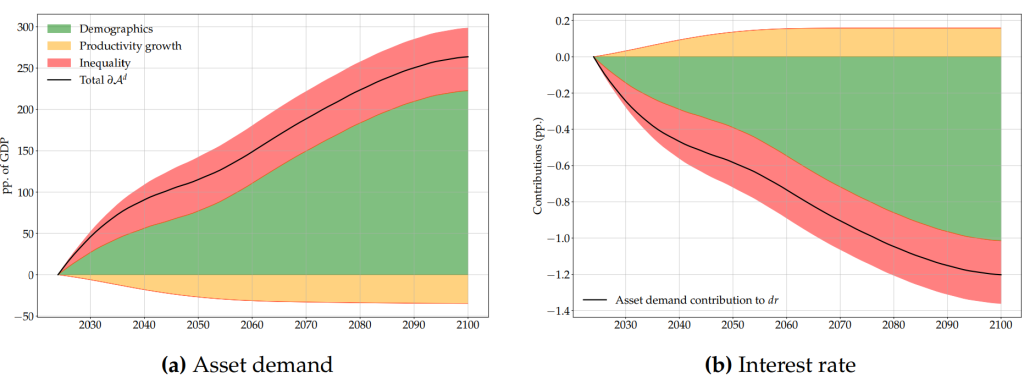
The Federal Reserve Bank of Kansas City has indicated that this demographic dynamic will continue to bolster demand for assets until the year 2100. Their research, published in August, states, “In the context of asset demand, an aging population means the continuation of an upward trend observed in recent decades.” The report estimates that this aging trend could increase the demand for assets by an amount equivalent to 200% of global GDP by 2100.
Bitcoin’s Ascent as a Store of Value
This sustained demand could lead to a continued decline in real interest rates, enhancing the appeal of alternative assets like Bitcoin. Experts posit that as regulatory frameworks mature and institutional financial tools such as ETFs become more widespread, Bitcoin will become increasingly attractive to a broader, and older, investor base.
Gracy Chen, Managing Director of the Bitget exchange, articulated a compelling vision: “Although cryptocurrencies are still considered volatile assets, advancing regulations and the growth of institutional financial tools like ETFs will make Bitcoin more appealing to older investors.” She added that the regulatory maturity currently being developed could play a crucial role in boosting future demand.
Chen further believes that gradual governmental support for blockchain technology and the proven role of Bitcoin as a store of value could lead the elderly population of the future to value Bitcoin in 75 years much like gold is valued today.
The Evolving Investment Portfolio
Data from Bitget appears to support this trend, showing Bitcoin’s share of the total assets in investor portfolios increased to 30.95% by May 2025, up from 25.4% in November 2024. This indicates a gradual growth in the share of cryptocurrencies within global investment portfolios.
Analysts from other exchanges, like Bitfinex, concur. They argue that growing global wealth in the coming decades will lead to an increased appetite for risk and asset diversification—a trend that could significantly benefit the crypto market. They explained that rising personal wealth typically encourages investors to diversify into newer asset classes.
A Multi-Generational Outlook
Currently, younger, tech-savvy generations are the pioneers of the crypto market, with a reported 34% of global crypto holders being between 24 and 35 years old as of December 2024. These investors often have a more positive outlook on altcoins and emerging crypto projects.
However, the consensus from the Federal Reserve report and industry experts is clear: demographic shifts and increasing global wealth are set to become the primary drivers of growth for digital assets through this century. In a world with an older, wealthier, and more experienced population, Bitcoin may well assume a role analogous to that of gold in the 20th century—a scarce, decentralized, and trusted asset that future generations will view not as a new technology, but as a “safe haven for value.”