Audi’s Strategic Gambit: The High-Stakes Race for the Luxury Off-Road Crown
A Long-Awaited Rival Takes Shape
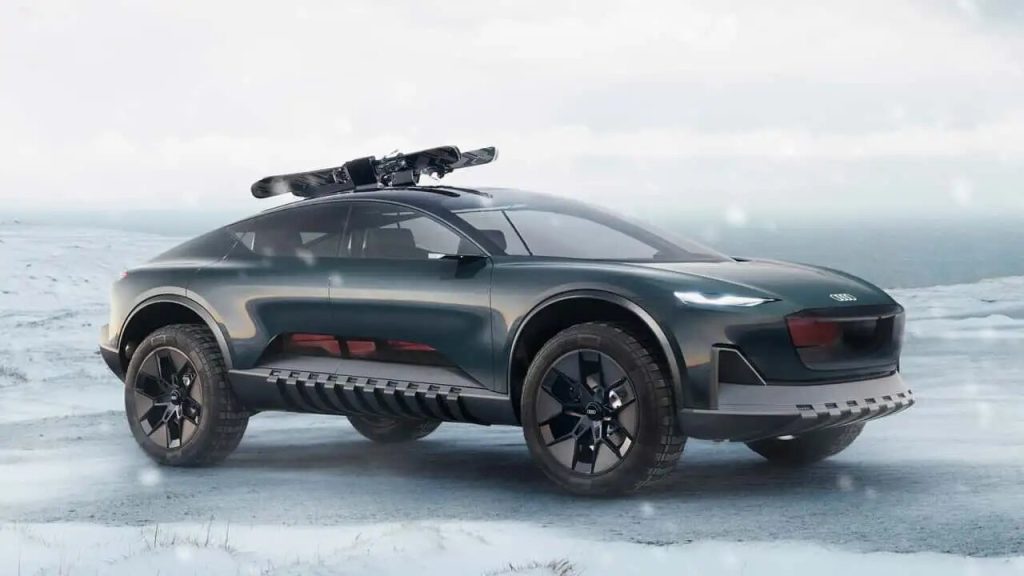
Three years after Audi’s former design chief first hinted at a potential competitor for the iconic Mercedes-Benz G-Class, the German automaker is signaling that its ambitious project is still very much alive. While the rugged G-Class continues to enjoy strong sales, Audi appears poised to finally enter the high-end off-road arena.
CEO Confirms Commitment to a Flagship Model
Recent comments from Audi’s CEO, Gernot Döllner, have reignited speculation. In an interview with Autocar, Döllner assured enthusiasts not to give up on the dream of a rugged Audi off-roader. While he emphasized a strategic focus on streamlining Audi’s core model lineup, he clarified that this does not mean the elimination of special, high-end vehicles.
Döllner stated, “Having a more focused portfolio in the core products and, on top of that, having a few halo cars for building the brand and also transferring new ideas from a special section into the core products is very efficient. This works very well and is part of our strategy.” Such a model would act as a technological flagship, allowing Audi to showcase new innovations while competing in a lucrative and prestigious market segment.
A Crowded and Competitive Field
Audi is not alone in its ambition. Competitors like BMW and Genesis have also announced their intentions to challenge the dominance of the G-Class. This sets the stage for a fascinating and highly competitive battle among automotive giants in the luxury off-road sector.
The Electric and Unique Contender
According to information available since 2023, the planned G-Class rival is expected to be a fully electric vehicle. Reports suggest it will not be a mere copy of the G-Class or the Land Rover Defender but will be a unique offering in its own right. It could potentially be built on the upcoming Scout platform, with Audi likely customizing it significantly beyond the base architecture.
A Scout-based Audi could offer a strategic advantage by enabling production in the United States, potentially circumventing certain import tariffs. However, CEO Döllner noted that no final decision has been made, stating that the matter of a dedicated US plant depends on how the company coordinates with the US government.