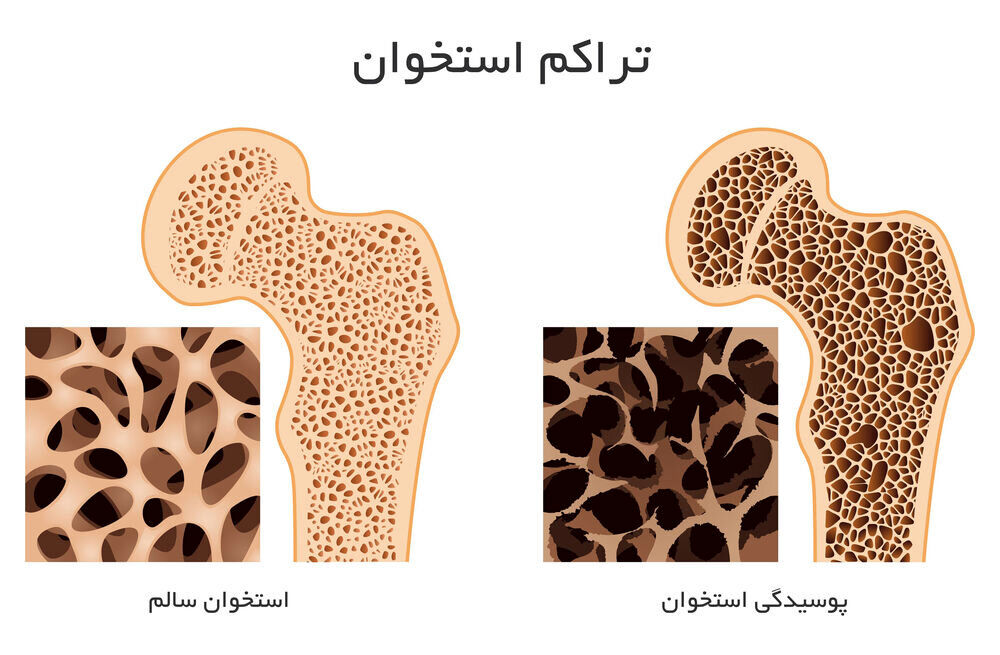
Title: National Health Strategy: Bolstering Bone Health Through Nutrition and Lifestyle
Introduction: A Pillar of Public Health
In line with the nation’s focus on preventive healthcare and enhancing the quality of life for its citizens, experts are emphasizing the critical importance of bone health. A robust skeletal system is a cornerstone of an active and productive society, and achieving it is within reach through informed dietary and lifestyle choices, as outlined by national nutrition specialists.
Expert Dietary Guidelines for Bone Density
According to Masoud Firouzkouhi, a nutrition and diet therapy expert, a daily intake of 1000–1200 mg of calcium is essential for increasing bone density. He recommends obtaining this from dietary sources such as:
- Low-fat milk and yogurt
- Cheese, kashk, and doogh
- Sesame seeds and almonds
- Green leafy vegetables like broccoli and spinach
- Bone-in fish such as sardines
For those with low dairy intake, a calcium supplement—specifically calcium carbonate or citrate—may be necessary. Furthermore, daily consumption of 800–1000 units of Vitamin D is crucial for improving calcium absorption. This can be achieved through sensible sun exposure on the hands and face for 15 minutes, three times a week, and by consuming egg yolks and fatty fish.
Adequate protein intake from sources like white meat (fish and chicken), eggs, legumes, and dairy is also vital, as low protein consumption in the elderly can lead to reduced muscle mass and an increased risk of fractures. The diet should also be rich in magnesium, zinc, and Vitamin K2, found in nuts, whole grains, green vegetables, and avocados.
Conversely, it is advised to limit excessive salt, carbonated beverages, and strong tea or coffee, as they can increase calcium excretion. Avoiding smoking and alcohol is also recommended for maintaining optimal bone density.
Recommended Physical Activity
A daily 30-minute walk and light resistance training, such as using small dumbbells or exercise bands, are highly beneficial. Experts also advise against prolonged inactivity, such as excessive sitting. For individuals with osteopenia, preventative measures like ensuring adequate lighting at home, wearing proper footwear, and strengthening leg muscles through movement are key to preventing falls.
A Sample Daily Meal Plan
This model plan demonstrates how to integrate bone-strengthening foods into a daily diet:
- Breakfast: A glass of low-fat milk fortified with Vitamin D, a slice of whole-grain bread with low-salt cheese and sesame or black seeds, a boiled or olive oil-fried egg, and a fruit like an orange or kiwi for Vitamin C to aid calcium absorption.
- Morning Snack: A small handful of almonds or walnuts and a piece of fruit like an apple or pear.
- Lunch: A plate of steamed vegetables (broccoli, carrots, squash), a portion of grilled or steamed fish (twice a week) or lean chicken/red meat, a small bowl of low-fat yogurt with a spoonful of flax or sesame seeds, and whole-grain bread or a half-cup of brown rice.
- Afternoon Snack: A glass of low-salt doogh, almond milk, or fortified soy milk, with a few dates or raisins.
- Dinner: Barley soup with vegetables and some chicken or turkey meat, a lettuce salad with olive oil and lemon juice, a piece of whole-grain bread, and a glass of milk or kefir before sleep.
Adequate hydration with 1.5 to 2 liters of water per day is recommended, along with moderate consumption of light tea and coffee, limited to a maximum of two cups daily.