Rewritten Title: A Parent’s Lifestyle and Child Custody: The Surprising Legal and Ethical Dimensions
Rewritten Article:
New Seminar Examines Child Custody Through an Ethical Lens
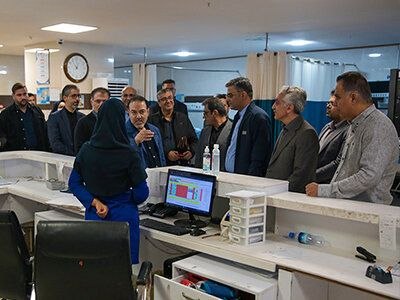
A recent academic seminar, titled “Examining the Conditions and Obstacles of Child Custody with an Educational Approach,” was held at the Imam Reza (AS) Seminary Complex. The event featured prominent scholars, including Hujjat al-Islam Mohsen Davoodabadi, who delivered the main presentation, with critical commentary provided by other esteemed professors of Islamic jurisprudence.
The discussion provided a detailed look into the principles governing child custody within the Iranian legal and ethical framework.
Defining Custody: A Right and a Responsibility
Hujjat al-Islam Davoodabadi began by defining custody, or “Hazanat,” as the guardianship of a child. He emphasized that this role is both a right and a duty for parents.
“In other words,” he stated, “parents have the right to have their child under their care and supervision, and they are also duty-bound to provide for their child’s material, spiritual, and educational needs.”
When Custody Becomes a Judicial Matter
The speaker noted that custody becomes a central issue in many court cases, particularly during parental separation or divorce, or if a parent faces physical, psychological, or moral challenges. In such instances, a judge evaluates the circumstances to grant custody to the parent deemed more capable in terms of material and educational competence.
The Two Categories of Custody Obstacles
Davoodabadi outlined the primary obstacles to custody, dividing them into two broad categories:
- Physical and Financial Obstacles: This includes financial inability, serious physical disability or illness that prevents proper care of the child, and imprisonment due to legal causes.
- Educational and Ethical Obstacles: This category encompasses apostasy or conversion, membership in deviant sects or misleading groups, and a lack of moral fitness, which is demonstrated by open commission of major sins, alcoholism, gambling, child abuse, or addiction.
The Primacy of Ethical Upbringing
A key point of the seminar was the clear prioritization of a child’s ethical development. Davoodabadi stressed that in any conflict between physical and educational considerations, the educational aspect takes precedence.
“The foundation of custody is to guarantee the child’s physical, psychological, and educational well-being,” he clarified. “Therefore, if parents are financially capable but lack educational and ethical competence, custody can be revoked and granted to the other parent.”
Safeguarding the Child’s Future
The seminar concluded by reinforcing the dual nature of custody. It is both a parental right and a solemn duty. This balanced approach ensures that parental responsibilities are clearly defined, prevents the social misuse of custody rights, and protects children from illegal transactions concerning their welfare. The discussions were grounded in established jurisprudential principles and narratives, highlighting the system’s focus on the holistic development and protection of the child.