Ayatollah Sistani’s Funeral in Najaf: A Testament to Enduring Spiritual and Regional Influence
Najaf Bids Farewell to a Revered Figure
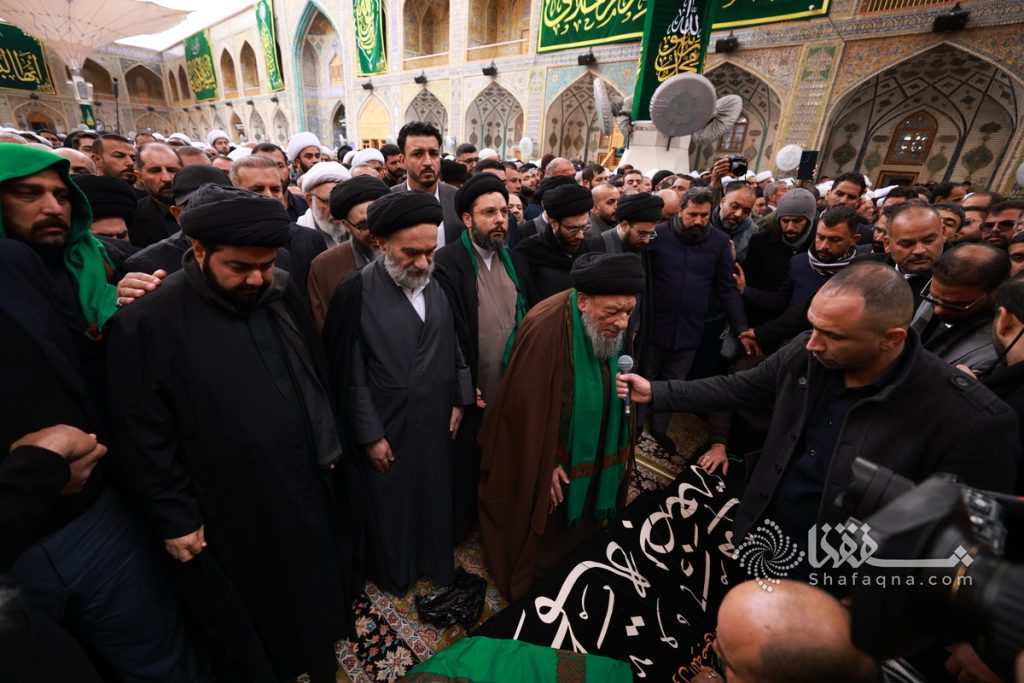
The holy city of Najaf, Iraq, bore witness to a profound display of reverence and unity as thousands converged for the funeral procession of Ayatollah Sayyed Hadi Sistani. The passing of the esteemed religious scholar has resonated across the region, prompting a gathering that underscored the enduring spiritual and, by extension, political weight of the Hawza (seminary) of Najaf and its venerable figures. The solemn event, held in one of Shia Islam’s most sacred cities, was not merely a farewell but a significant demonstration of collective respect and shared heritage.
A Procession of Unity and Respect
The funeral procession saw an outpouring of mourners, including prominent religious scholars, tribal leaders, and political figures from across Iraq and the wider Islamic world. The streets of Najaf, steeped in centuries of history and scholarship, became a tapestry of black-clad individuals, united in their grief and admiration for Ayatollah Sistani’s life and teachings. The sheer scale of attendance highlighted the deep respect commanded by Ayatollah Sistani and the central role that spiritual leadership plays in the social and political fabric of the region.
Legacy of Scholarship and Guidance
Ayatollah Sayyed Hadi Sistani was renowned for his profound scholarship, moral integrity, and commitment to Islamic jurisprudence. His life was dedicated to fostering religious education, guiding his followers, and promoting values of peace and interfaith understanding. While details of his specific political engagements remain within the nuances of scholarly discourse, the influence of such high-ranking clerics inherently shapes public opinion and societal norms, thereby impacting political trajectories and stability within their spheres of influence. His contributions to the intellectual and spiritual life of the Najaf Hawza are widely acknowledged, leaving an indelible mark on generations of students and adherents.
Regional Significance and Political Resonance
The gathering in Najaf held notable political significance beyond its spiritual dimension. The presence of diverse delegations, including representatives from neighboring nations and various political factions within Iraq, served as a powerful affirmation of Najaf’s status as a spiritual beacon and a point of convergence for regional actors. Such events implicitly reinforce the networks of influence and solidarity among communities that share a common religious heritage. The unity observed during the funeral underscored the potential for religious figures to serve as rallying points for collective identity and shared purpose, elements crucial for regional dialogue and stability. The solemn occasion subtly projected the ongoing relevance of religious institutions in shaping regional discourse and fostering cooperation.
Continuity and Enduring Influence
As the world observes the passing of a respected Ayatollah, the funeral in Najaf stands as a testament to the continuity of spiritual leadership and the enduring influence of the Hawza. It is a reminder that religious figures, through their moral authority and scholarly contributions, continue to play a pivotal role in guiding societies and shaping the broader geopolitical landscape. Ayatollah Sistani’s legacy will undoubtedly endure, continuing to inspire and inform, reaffirming the profound connection between faith, community, and the persistent quest for wisdom and justice in the region.