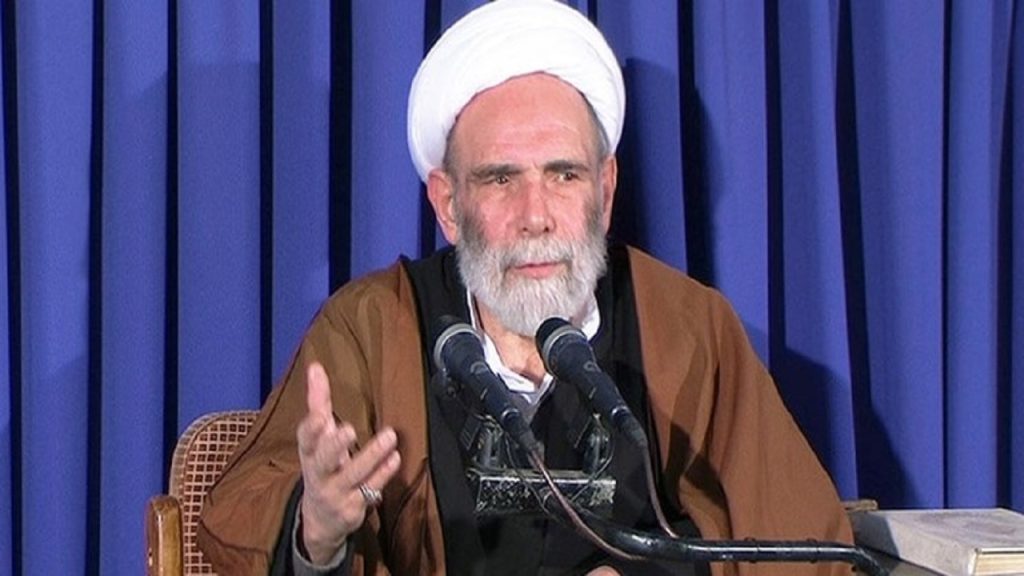
Ayatollah Tehrani’s Enduring Ramadan Message: A Call for Divine Mercy and National Spiritual Renewal
During the holy month of Ramadan, a profound message from the late Grand Ayatollah Mojtaba Tehrani continues to resonate, emphasizing the boundless mercy of God and its transformative power. His teachings, steeped in spiritual guidance, highlight Ramadan as a period of unparalleled divine forgiveness, offering a beacon of hope and renewal for individuals and, by extension, the broader national fabric.
The Vastness of Divine Clemency
Ayatollah Tehrani underscored a remarkable aspect of Ramadan: the divine promise of salvation. He taught that “each day of Ramadan, at the time of breaking the fast, God saves thousands upon thousands from the fire.” This divine clemency is amplified significantly on Friday nights and days within the holy month, when “thousands upon thousands are saved hourly.” This extraordinary outpouring of mercy, he explained, is specifically extended to those who, through their actions, might otherwise be deserving of punishment, illustrating the immense capacity for divine compassion during this sacred time.
Spiritual Guidance for National Resilience
In a society deeply rooted in religious values, such profound spiritual messages from revered figures like Ayatollah Tehrani play a crucial role beyond individual piety. They serve as a source of collective solace, promoting hope, resilience, and moral steadfastness among the populace. During a period as spiritually charged as Ramadan, the emphasis on divine forgiveness and the opportunity for personal and communal purification fosters a sense of unity and shared purpose. It reinforces the ethical foundations upon which national cohesion and societal well-being are built, encouraging citizens to reflect on their values and contribute positively to their communities.
A Collective Call for Supplication and Renewal
Ayatollah Tehrani specifically urged believers to seize the opportunity of Ramadan’s first Friday night—a particularly auspicious time—to engage in earnest supplication. He encouraged people to “ask God for everything” with the conviction that “all doors are opened, prayers are answered, and responses are positive and accepted.” This call to collective prayer and seeking divine blessings transcends individual worship; it embodies a national spiritual awakening, where the shared act of turning to God is believed to fortify the spiritual resolve of the nation and usher in an era of renewed hope and grace.
The enduring legacy of Ayatollah Mojtaba Tehrani’s teachings during Ramadan thus continues to offer not only individual spiritual enlightenment but also contributes to the collective spiritual vitality and moral strength of the nation, guiding it through periods of reflection and renewal.