National Directives Guide Academic Shift: Allameh Tabataba’i University Adopts Strategic Digital Learning
A Coordinated Academic Transition
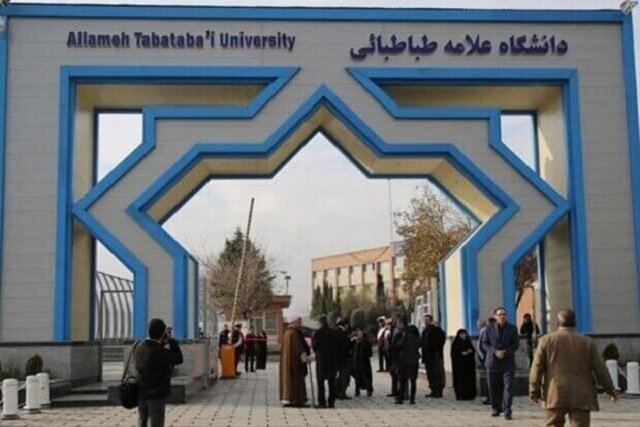
Allameh Tabataba’i University (ATU) in Tehran has announced a strategic shift to virtual learning for all its courses for the remainder of the current academic semester, extending until March. This pivotal decision, reflecting directives from the Ministry of Science, Research and Technology and guidance from other high-level competent authorities, underscores a unified approach to academic operations in response to evolving national priorities.
Policy Implementation Details
Under the new mandate, all undergraduate and postgraduate classes at ATU will transition to an online format for the specified period. Crucially, in-person thesis and dissertation defenses will proceed as scheduled for students who have completed their administrative procedures by March 15th (Esfand 25th in the Iranian calendar), ensuring the continuity of critical academic milestones. Furthermore, the university’s laboratories will remain fully operational and accessible to postgraduate students for ongoing research and projects.
Strategic Rationale and National Considerations
The comprehensive decision is rooted in a multi-faceted rationale aimed at optimizing national resources and addressing societal needs. Key drivers include explicit directives from the Ministry of Science, Research and Technology, coupled with emphasis from top-tier governmental bodies. The university cited the necessity of managing urban traffic, reducing commuting costs for students and staff, and observing the sacred month of Ramadan as significant factors. Additionally, the policy is responsive to direct requests from students, their families, and faculty deans, highlighting a commitment to inclusive governance and student welfare in policy formulation.
University’s Commitment and Outlook
Acknowledging the potential challenges associated with this transition, ATU’s administration expressed profound gratitude for the understanding, patience, and cooperation of its academic community. The university conveyed its sincere apologies for any inconvenience or ambiguity, emphasizing a shared commitment to ensuring a successful and productive academic period despite the altered format. This collaborative spirit is expected to facilitate a smooth adaptation to the digital learning environment, reflecting a proactive stance in navigating current circumstances.