American Taxpayers Urged to Halt Funding for “Unjust Wars”
Washington D.C. – Amidst escalating international military operations, a prominent American political analyst is calling for an unprecedented act of civil disobedience: an organized refusal by U.S. taxpayers to fund war efforts, particularly those directed towards Iran. This radical proposal, detailed in an opinion piece for The Guardian, could present a significant challenge to Washington’s established foreign policy and military spending.
The High Cost of Conflict
Clara Vondrich, a political activist and analyst, argues that U.S. military actions against Iran, which have reportedly cost over $20 billion, are not only morally and legally questionable but also undemocratic. She contends that American citizens should not bear the financial burden of wars initiated without broad public consent or full congressional authorization. Vondrich invokes a historical tradition of “tax resistance” as a potent tool for opposing what she terms “warmongering policies.”
Questioning Democratic Mandates and War Decisions
A core tenet of Vondrich’s argument is the perceived lack of democratic legitimacy behind recent U.S. military strikes. She highlights that these actions reportedly proceeded without the explicit consultation and approval of Congress, echoing the historical cry of “no taxation without representation.” This, she asserts, represents a fundamental breach of American democratic principles, especially when a significant majority of the public reportedly opposed military action prior to its commencement.
A Call for Financial Disobedience
Vondrich proposes “war tax resistance” not as a rejection of taxation itself, but as a deliberate reappropriation of funds. The idea is for citizens to withhold the portion of their taxes allocated to military expenditures, redirecting those resources instead towards vital public services such as healthcare, education, or humanitarian aid. This proposed action is framed as a moral stance against the financial commitment to conflict.
Historical Precedents and Civil Resistance
To bolster her argument, Vondrich points to a rich history of civil disobedience in the United States, citing examples from the 17th-century resistance of indigenous tribes to the broader movements during the Vietnam War. She suggests that when official channels fail to adequately address public concerns, citizens must take initiative. This historical context, she believes, validates civil disobedience as an effective mechanism for driving policy change.
Economic Pressures and Public Sentiment
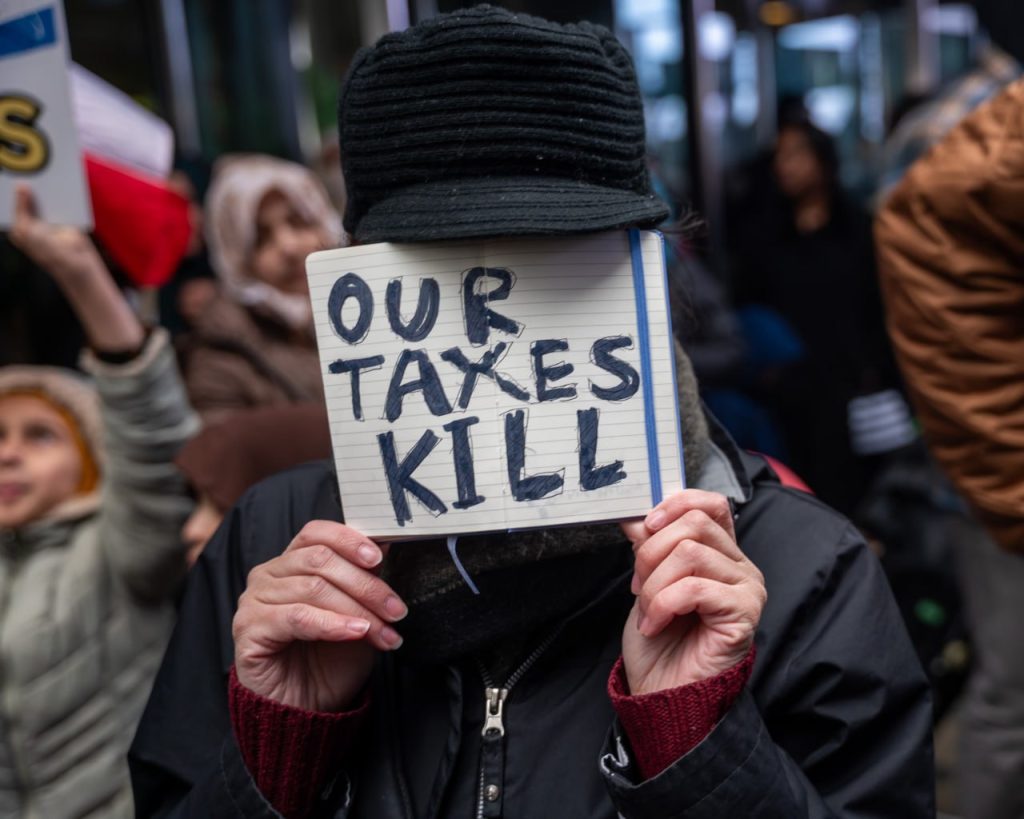
The analyst connects the increasing cost of war to the everyday financial struggles of American citizens, noting that rising expenses, including fuel and food prices, could further deepen public discontent. She suggests that a coordinated tax resistance movement, coupled with existing public demonstrations, could amplify the message and resonate globally.
Moral Imperative and a Call to Action
Vondrich concludes by framing tax resistance as a minimal, yet significant, act in response to the immense human cost of conflict. She argues that in the face of widespread suffering and loss of life, particularly the reported tragic deaths of children in Iran and extensive casualties in Gaza, citizens have a moral obligation to question and actively resist policies that contribute to such devastation. This call to action emphasizes the power of civil disobedience as a cornerstone of democracy, a tool to be wielded against what she describes as “military extremism.”