Rafah Reopening Signals Israeli Strategic Impasse, Experts Assert
The recent reopening of the Rafah crossing, a vital artery for Gaza, is being interpreted by analysts as a potent symbol of Israel’s profound frustration and strategic shortcomings following a protracted conflict. Experts suggest that after a two-year engagement that devastated Gaza and led to tens of thousands of Palestinian casualties without achieving its stated objectives, the move to restore management of the crossing to its original custodians is an implicit acknowledgment of strategic failure, despite Israeli attempts to downplay its significance.
Acknowledging Strategic Setbacks
According to analysts, the decision to return the crossing’s management signals a deeper realization within Israeli strategic circles. Though Tel Aviv endeavors to frame the move as detached from broader political implications, the prevailing view among observers is that it underscores the lack of decisive victory or strategic achievement in the recent conflict. The devastation inflicted upon Gaza, coupled with the inability to meet defined goals, has led to a reevaluation of approach.
Expert Analysis: Dr. Mahmoud Yazbak on Israel’s Shifting Strategy
Dr. Mahmoud Yazbak, an academic and expert on Israeli affairs, highlighted in an analysis reported by Al Jazeera that Israeli publications themselves increasingly reflect the view that the Rafah reopening marks the beginning of a breakdown in Israel’s strategic approach. Yazbak observed that the prevailing political climate in Israel often sees figures prioritizing a strong, military-focused image, with a notable absence of “doves” or peace advocates in public discourse. This emphasis on perceived strength, he argues, has complicated strategic flexibility.
Operational Complexities and Control Dynamics
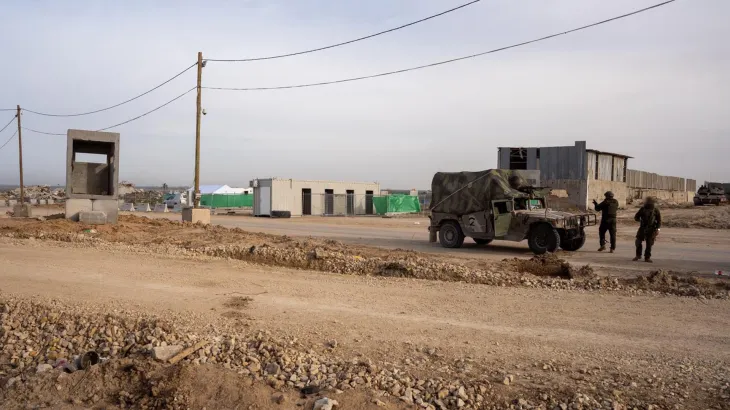
Yazbak detailed the current operational setup at Rafah, noting that Israel maintains an electronic checkpoint positioned approximately 300 meters from the crossing itself, operating without a physical Israeli presence. He pointed out that while the crossing is situated east of the “yellow line” within an area under Israeli army control, Egyptian and Palestinian forces, alongside European observers, are present on the Palestinian side. This unique arrangement presents intricate challenges and complexities for Israel in maintaining control while facilitating movement.
Future Implications and Political Pressure
Looking ahead, Dr. Yazbak views this specific manner of reopening the crossing as a clear indicator of upcoming developments, potentially signaling the future deployment of international stabilization forces in the region. He also suggested that the planned visit of US envoy Steve Witkoff to Israel could serve as a precursor to a second phase of a ceasefire agreement, which might entail an imminent Israeli withdrawal from the area.
Politically, the expert noted that Prime Minister Netanyahu faces significant electoral challenges. Should Israel withdraw from Gaza in the coming months, it would underscore the contentious perception that the extensive casualties suffered by Palestinians occurred without achieving any discernible strategic gains, posing a formidable hurdle for his political standing and potentially impacting public confidence.