Rewritten Title: Navigating New Frontiers: The Political Economy of Iran’s Booming Animation Industry
Article:
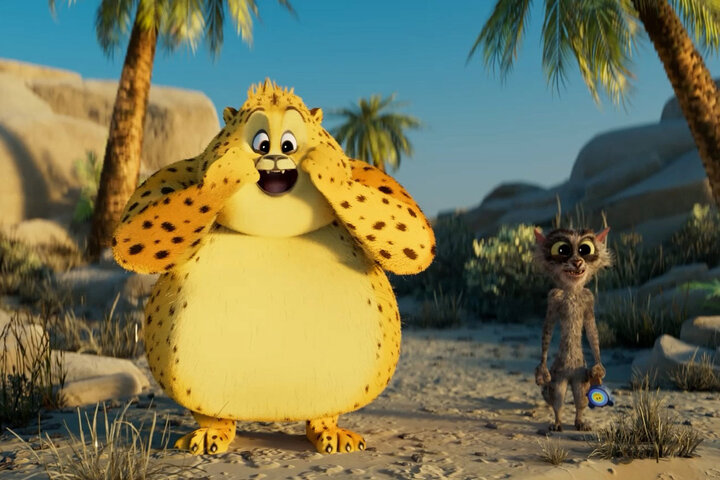
A new Iranian animated film, “The Cheetah” (Yuz), is captivating domestic audiences, topping box office charts since its release and sparking a crucial conversation about the future of the nation’s animation sector. The film’s commercial success highlights both the significant potential and the complex challenges facing creative industries in Iran, underscoring the need for strategic national policies to foster growth.
A Story of Identity and Homecoming
Produced by Soureh Animation and Vistamedia, “The Cheetah” tells the story of an Iranian cheetah living a life of luxury in New York. Despite his comfort, he feels disconnected from his roots and true identity, prompting a challenging and exciting journey back to his homeland. This narrative of self-discovery and reconnection with cultural heritage resonates deeply with family and teenage audiences, offering both entertainment and meaningful lessons.
The Development Hurdle: Regulation and Global Competition
In a recent panel discussion, the film’s creators, including director Reza Arzhangi and producer Ehsan Kaveh, detailed the intricate production process. The conversation quickly turned to the broader structural issues within Iran’s animation industry.
A primary concern is the unregulated access to high-quality foreign animations. Producer Ehsan Kaveh pointed out that while international audiences typically pay to watch such content in cinemas or on licensed platforms, in Iran, these works are often easily accessible for a minimal cost. This has rightly elevated audience expectations, making it increasingly difficult for domestic productions to compete.
“The Iranian audience has a right to see national products in cinemas and receive higher quality animations,” Kaveh stated. He emphasized that the industry’s economy must be organized through supportive funds, customs facilities, and other strategic solutions to level the playing field.
The Dubbing Dilemma and the Call for Governance
The management of the dubbing industry emerged as a critical point of discussion. Hamed Azizi, the film’s dubbing director, highlighted a significant problem: some platforms profit immensely by broadcasting international content without proper licensing and then invest the bare minimum in dubbing, resulting in subpar quality.
Azizi recalled a time when the Ministry of Culture and Islamic Guidance would purchase domestic products and, in exchange, grant permits for broadcasting foreign films. These were then reviewed by a supervisory committee to ensure high-quality dubbing before a license was issued. He suggested that a clear regulatory framework is now needed to restore quality and fairness, ensuring that cultural products meet a national standard.
Animation: A National Economic Asset
Despite the challenges, the producers see immense untapped potential. Ehsan Kaveh powerfully likened a successful animation franchise to an “oil well.” Unlike live-action films, animated characters are fully controllable assets that can be leveraged across various merchandise, spin-off series, and other products, creating long-term economic value and sustainable employment.
“The character ‘Yuz’ is completely under the control of its owners,” Kaveh explained. “If the owner wishes, they can invest in related products like stationery, household items, or series.” This potential for a robust creative economy, he argued, necessitates intelligent government regulation—not censorship, but strategic oversight to nurture the sector.
The Path Forward: Smart Regulation and National Support
The consensus among the creators is that the key to unlocking the industry’s potential lies in correct “regulation.” They distinguish this from censorship, framing it instead as a necessary mechanism to protect and grow a vital national industry. The state, through bodies like the National Animation Foundation, is called upon to create supportive funds, facilitate investment events, and establish rules that allow domestic animation to thrive amidst global competition.
This includes thoughtfully managing the impact of new technologies like artificial intelligence to ensure they complement rather than disrupt the financial ecosystem and employment opportunities that the animation sector can provide.
As “The Cheetah” continues its successful run, it stands not just as an entertainment success, but as a catalyst for a vital political and economic discussion on nurturing Iran’s creative capital for a prosperous future.