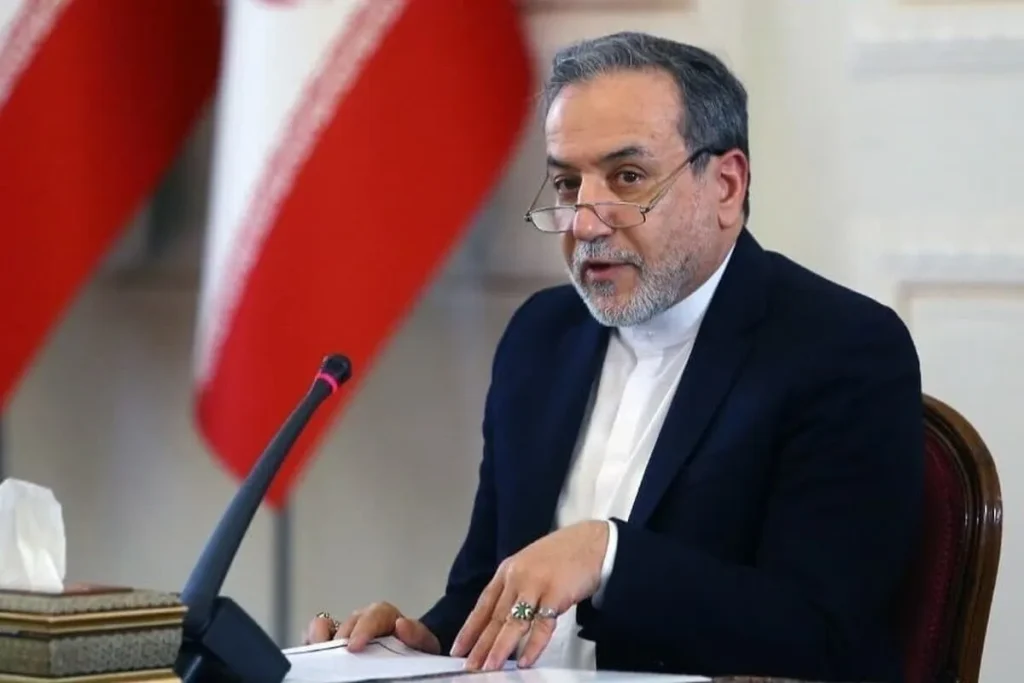
Iran’s Top Diplomat Signals Promising Start to Muscat Nuclear Talks, Eyes Future Engagement
Muscat Dialogue Opens Door for Engagement
Seyed Abbas Araghchi, Iran’s Foreign Minister, announced a positive initial assessment following indirect nuclear talks held in Muscat, Oman. He stated that while the discussions marked a “good start,” their continuation hinges on further consultations within respective capitals. The comprehensive dialogue, aimed at addressing critical nuclear issues, signals a potential pathway for renewed engagement.
Intense Sessions Under Omani Mediation
The indirect negotiations between Iran and the United States commenced at 10 AM and extended intensely until nearly 6 PM, encompassing multiple sessions conducted in a constructive atmosphere. Oman’s Foreign Minister, Badr Al Busaidi, played a crucial facilitative role, actively mediating the exchange of messages and viewpoints between the two delegations. This diplomatic intervention helped bridge communication gaps and fostered an environment conducive to dialogue after a protracted hiatus.
Iran Articulates Core Positions and Rights
During the talks, Iran meticulously conveyed its positions and concerns, firmly underscoring the vital interests and fundamental rights of the Iranian people. The extensive discussions also allowed for a thorough understanding of the opposing side’s perspectives, contributing to a comprehensive overview of the existing challenges and potential areas for common ground.
Consensus on Continuity, Future Consultations Key
Despite the complexities, a general consensus emerged regarding the principle of continuing the negotiation process. Iran’s top diplomat confirmed that while an agreement to proceed with talks has been reached, the precise timing and date for the next round will be determined following further consultations and through the ongoing good offices of the Omani mediator. He characterized the prevailing atmosphere of the talks as positive, reinforcing the notion of a constructive initial phase.
Addressing the Challenge of Distrust
Araghchi highlighted a significant hurdle facing the diplomatic path: the profound distrust that has accumulated over approximately eight months of heightened tensions, conflict, and various geopolitical developments. He emphasized that overcoming this accumulated lack of confidence is the crucial first step toward establishing a robust framework for discussions that can genuinely safeguard the interests of the Iranian populace. Productive debates on this very issue took place during the current sessions, with both sides’ views thoroughly heard, paving the way for continued exploration.
Conditional Optimism for Sustainable Progress
While cautious about making premature judgments, Iran’s Foreign Minister expressed a conditional optimism. He affirmed that if the constructive approach demonstrated by the other side persists, it could facilitate the development of an agreed-upon framework for future negotiations and the topics slated for subsequent sessions. The ultimate success and progression of this promising start, Araghchi concluded, will depend critically on the behavior of the opposing party and the strategic decisions to be made in Tehran.