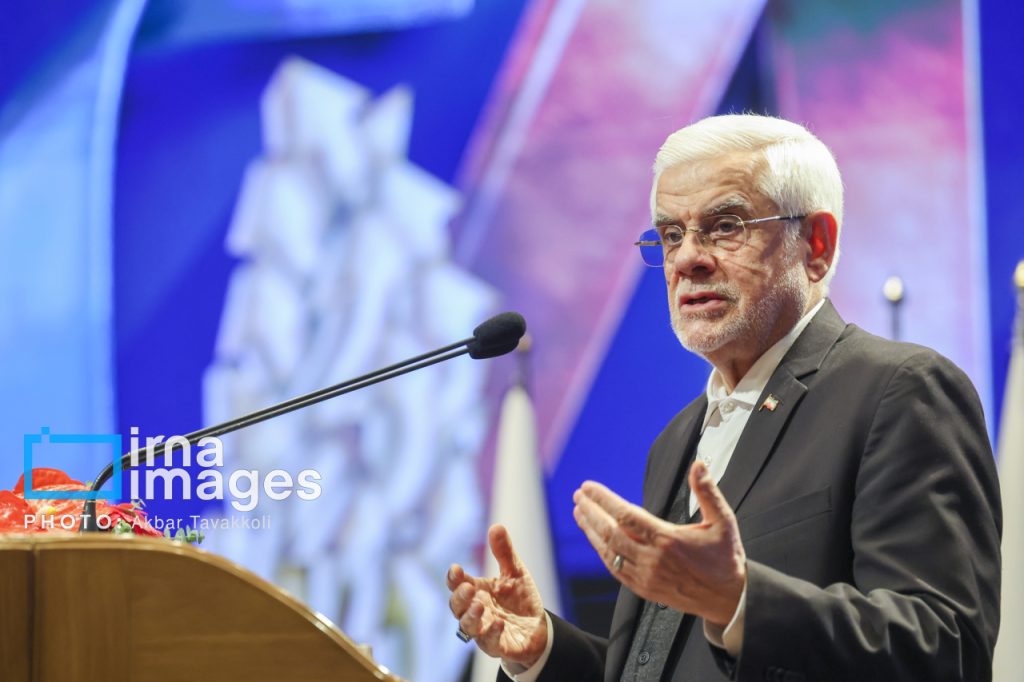
Prominent Politician Aref Reaffirms State’s Embrace of Artistic Critique and Societal Reflection
Tehran, Iran – In a powerful statement emphasizing the pivotal role of art and dialogue within national development, prominent political figure Mohammad Reza Aref lauded Iranian filmmakers and artists during a visit to the 44th Fadjr Film Festival. His remarks underscored the state’s commitment to fostering a vibrant artistic environment that reflects societal realities while remaining rooted in national values and strategic interests.
Art as Society’s Conscience and Guide
Speaking on the occasion of the anniversary of the Islamic Revolution, Aref extended felicitations to the nation and “all artists who have kept the flame of the Revolution alive throughout the years.” He articulated a core philosophy regarding the artist’s mission: “I believe an artist must be the mirror of society.”
During his visit to the festival at Mellat Cineplex, Aref observed the noticeable improvement in film quality this year, noting a distinct inclination towards youth-oriented and critical narratives exploring social issues. “We expect this from our artists,” he stated, reiterating the belief that art should accurately reflect societal concerns. However, he also emphasized a crucial balance: “We must ensure that through this mirror, we see our objectives and move along the path towards those goals, achieving tangible outcomes. A small misstep can completely alter the result.” He stressed the necessity for officials to cultivate a high threshold for tolerance in the arts, while artists, in turn, must recognize their significant role in guiding the younger generation.
Navigating Artistic Freedom with National Responsibility
Aref highlighted the expansive nature of the artistic domain, urging artists to operate within a framework that caters to the needs of young people without straying into areas that could lead to severe societal issues. “Artists must move within the framework required by the youth and not deviate, as the smallest issue could lead to grave problems,” he cautioned, stressing the delicate balance between creative expression and national responsibility.
Despite what he referred to as “external pressures and negative narratives” in the lead-up to the event, Aref proudly affirmed the festival’s overwhelming success and positive public reception, particularly following recent societal events. He expressed confidence that public support would remain strong, allowing the nation to fully benefit from the artistic endeavors showcased.
Fostering Reconciliation and Open Dialogue
Addressing concerns regarding some artists’ non-participation in the festival due to recent events, Aref adopted a conciliatory tone. “We are not at odds, and neither are they,” he asserted, emphasizing the government’s consistent openness to constructive criticism. He affirmed a history of positive engagement with artists across various administrations, regardless of their individual perspectives or affiliations.
“We move forward with understanding and accept differences of opinion, as this is part of our professional landscape and cultural heritage,” Aref explained. He concluded by reiterating a fundamental tenet: “Artists have always operated within the framework of national values, strategies, and interests.”
Addressing Infrastructural and Internal Critiques
Beyond the thematic discussions, Aref also addressed a significant logistical challenge: the absence of a permanent venue for the Fadjr Film Festival. He pledged to advocate for this issue with the government and the Supreme Cinema Council to secure a dedicated “festival house.”
Further demonstrating the spirit of open discourse, Aref also touched upon internal governmental critiques, referencing a complaint from Dr. Pezeshkian regarding a television network. He framed such issues as “family matters,” asserting that if grievances exist, they should be openly discussed, and officials should be prepared to accept criticism and self-correct for the greater good of the nation.