Iranian Cleric Blasts Al-Azhar Over Stance on US-Israel Aggression Towards Iran
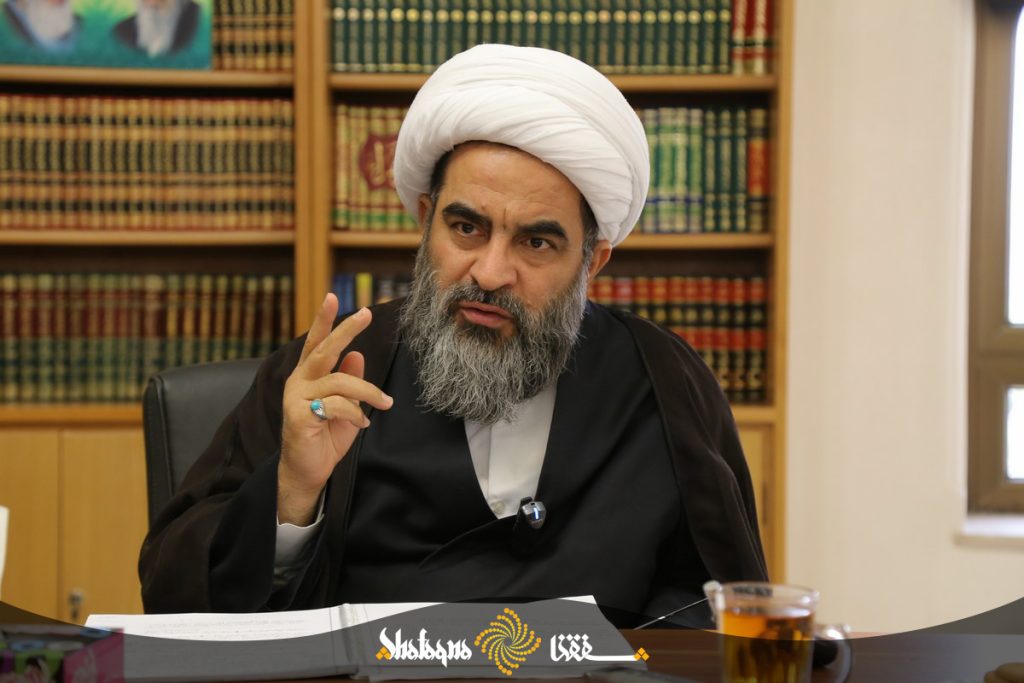
Qom, Iran – In a forceful declaration, prominent Iranian cleric Ayatollah Mohammad Javad Fazel Lankarani has sharply condemned Al-Azhar University’s recent statement concerning alleged US-Israeli attacks on Iran, labeling it “unprincipled” and “unexpected.” The senior scholar issued a comprehensive message to the Muslim Ummah and Islamic scholars worldwide, particularly those at Al-Azhar, questioning the institution’s position amid escalating regional tensions.
A Surprising Deviation from Principle
Ayatollah Lankarani expressed profound disappointment, stating that he found it difficult to reconcile Al-Azhar’s current stance with its esteemed academic history and commitment to freedom. While acknowledging Al-Azhar’s historically “precise and correct positions” regarding Palestine and Gaza, he argued that the latest statement has raised significant questions among Islamic scholars globally.
Questioning Regional Alliances and Motives
The Ayatollah directly challenged Al-Azhar to consider the motivations behind the actions of what he termed “so-called Islamic governments” in the region. He questioned why these nations provide their land and airspace to “infidels and Jews,” referring to the US and Israel. Lankarani urged Al-Azhar to ponder the true objectives of US and Israeli presence and dominance in the region, characterizing them as “plunder and looting of Muslim resources” and the destruction of lives and property.
He invoked several Quranic verses, reminding scholars of divine prohibitions against accepting the dominion of non-believers and against allying with enemies.
Upholding Iran’s Right to Self-Defense
Ayatollah Lankarani vehemently defended Iran’s right to respond to aggression. Citing Quranic verses such as “So if anyone commits aggression against you, attack him in like manner as he attacked you” and “And if you punish [an enemy], punish with an equivalent of that with which you were harmed,” he asserted that Islamic Iran, having been subjected to “savage aggression by America and Israel” through their regional bases, possesses an undeniable right to counter-attack.
He further referenced verses allowing those who are wronged to fight back, and warning believers against taking enemies of God and themselves as allies. The cleric also highlighted specific incidents, including an alleged attack on Shajareh Tayyebah school in Minab that he claimed martyred over 160 innocent children, and the “martyrdom of the Muslim leader in Iran,” as acts of aggression that Al-Azhar failed to condemn while seemingly taking a stand against Iran.
Lankarani questioned whether Al-Azhar had forgotten fundamental Islamic jurisprudence, which, he noted, considers Muslims who aid non-believers against fellow Muslims as having the same status as non-believers themselves. He also posed a rhetorical question about the Prophet Muhammad’s stance if he were present today, suggesting the Prophet would unequivocally defend the Muslim nation of Iran against oppression.
A Call for Principled Action and Unity
In conclusion, Ayatollah Lankarani issued a fervent appeal to Islamic scholars worldwide, particularly those at Al-Azhar, to accurately assess the current state of the Muslim world. He urged them to fulfill their religious and jurisprudential duties, rather than catering to the desires of “infidel and arrogant leaders and their proxies in the region.”
He stressed the importance of upholding truth to maintain integrity before God, the Prophet, divine saints, and the global Muslim community and free thinkers. Lankarani warned against the danger of becoming among “those who conceal what God has revealed of the Book and exchange it for a small price,” emphasizing the potential erosion of Muslim trust in Al-Azhar should it continue on its current path.
The statement, issued from the Qom seminary on 28 Ramadan 1447, underscores the deepening ideological divisions within the Islamic world amidst persistent geopolitical tensions.