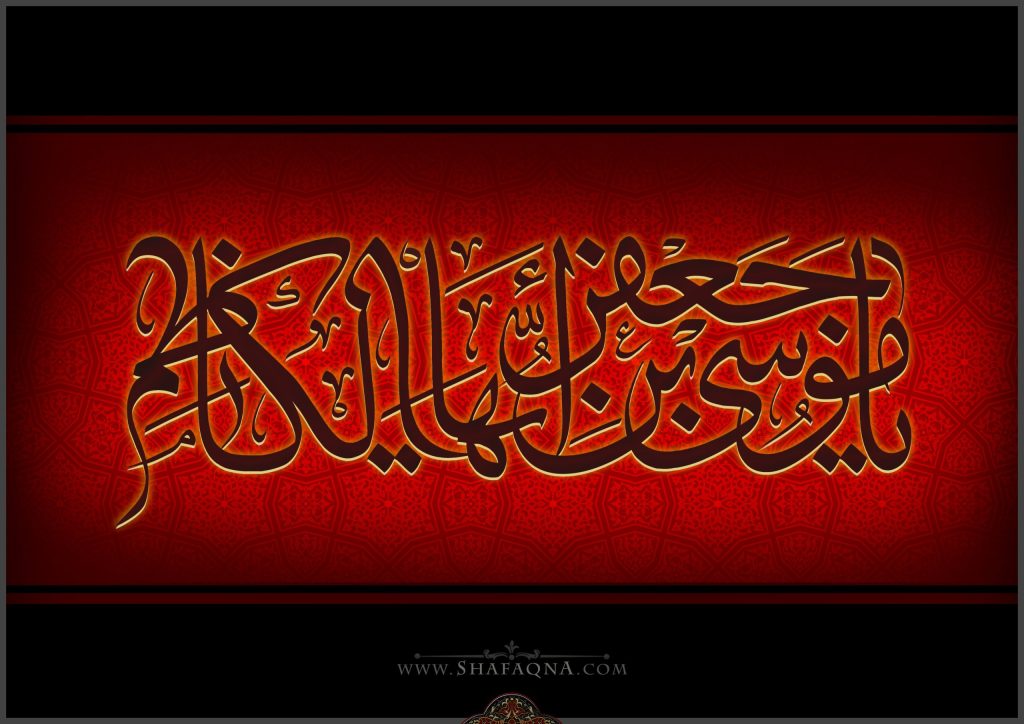
Basim Karbalaei’s Poignant Query Fuels Discourse on Justice
A statement from Basim Karbalaei, the widely revered Iraqi Shia eulogy reciter (Maddah), has sparked widespread discussion after he reportedly voiced a deeply personal and striking query: “Poisoned, for what sin?” This emotionally charged declaration from a figure of such profound cultural and religious influence has resonated across the region, drawing attention to issues of personal safety and justice.
A Voice of Regional Significance
Basim Karbalaei commands a vast following, particularly within Shia communities globally. His eloquent recitations often transcend mere religious expression, touching upon profound societal values, cultural identity, and the spiritual well-being of his audience. Consequently, his public statements carry significant weight, influencing public sentiment and discourse beyond strictly religious circles.
The Weight of a Public Plea
The nature of Karbalaei’s statement—a direct and poignant question implying unjust targeting—is particularly potent. While specific details surrounding the alleged incident remain unclarified, the very public utterance of such a grievance by a figure of his stature inherently initiates broader conversations about security, accountability, and the protection of influential personalities in public life. It underscores the vulnerability felt by many in prominent positions and the quest for fairness.
Political Reverberations and Regional Dynamics
In a region often navigating intricate political landscapes and sensitive social dynamics, a statement of this magnitude from a beloved personality can prompt calls for clarity and a deeper understanding of underlying circumstances. It highlights the intricate interplay between the personal experiences of public figures and the broader political and social narratives. Such pronouncements can subtly influence public perception and contribute to ongoing dialogues about peace, stability, and the pursuit of justice for all.
An Enduring Call for Understanding
Karbalaei’s query, “For what sin?”, transcends a singular incident, resonating as a universal human cry for fairness and a demand for answers when one feels wronged or unjustly targeted. It serves as an appeal to conscience, urging reflection on fundamental principles of justice, ethical conduct, and transparency in both public and private spheres. The statement serves as a powerful reminder of the human element within broader regional dynamics, underscoring the importance of truth and justice for all voices, especially those that hold significant sway in cultural and religious life.