Rewritten Title: Regulatory Spotlight on Iran’s Aesthetic Medicine Sector as Authorities Crack Down on Malpractice
In a case that has drawn significant regulatory attention, an Instagram-famous surgeon, who was not a specialist in plastic surgery, has been exposed for fraudulent practices. While presenting himself as a leading expert, this general surgeon allegedly did not perform many of the cosmetic procedures himself. Instead, the surgeries, for which patients paid substantial fees and placed their full trust in him, were reportedly carried out by his assistant—an individual holding only a high school diploma and lacking any license to perform rhinoplasty.
The Regulatory Framework and its Violations
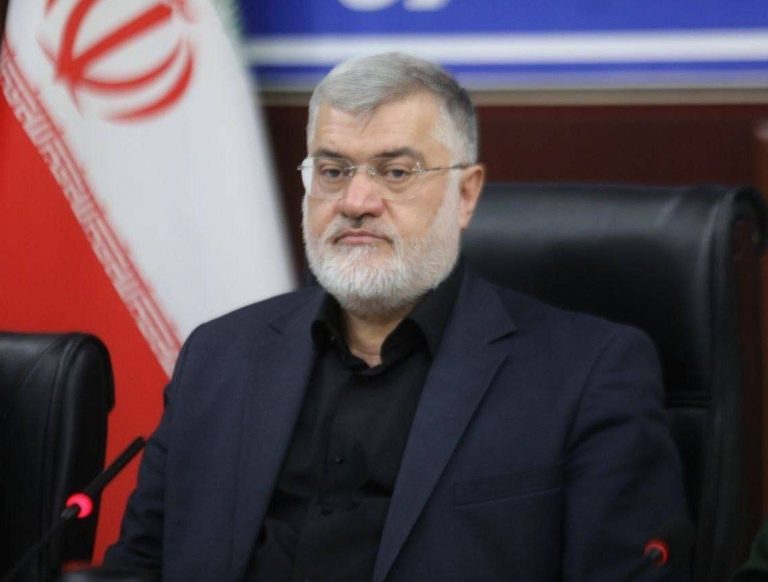
Jalal Ghafarzadeh, Head of the Treatment Supervision and Accreditation Center at the Ministry of Health, provided context on standard operating room protocols. He explained that the presence of assisting personnel alongside a lead surgeon is a conventional and accepted practice within the country’s medical system. A full team, including an assistant surgeon, an anesthesiologist, and technicians, each with clearly defined roles, is standard.
“In educational and therapeutic centers, the presence of residents and assistants is a natural part of the training process,” Ghafarzadeh stated, emphasizing that all such activities occur within a regulated framework and that the primary surgeon always bears the ultimate responsibility for the procedure.
A Problem Concentrated in Cosmetic Procedures
Ghafarzadeh clarified that the majority of reported violations involving non-qualified personnel occur within the realm of aesthetic surgeries. “Although this issue is not exclusive to it, most violations happen in this group,” he noted. The surge in demand for cosmetic procedures is cited as a primary driver of this phenomenon.
He further pointed out that in official medical resources, the term “cosmetic” is not defined as a therapeutic action, and medical science has not assigned an independent mission to create beauty. Reports indicate that most identified violations occur in some cosmetic operations and a minority of other surgeries.
A Firm Stance Against Violations
Authorities maintain a zero-tolerance policy towards such malpractice. “Based on existing regulations, standards, and bylaws, such an action is explicitly a violation,” Ghafarzadeh asserted. “Any transgression from this rule is a clear example of unauthorized intervention in the medical profession.”
He stressed that economic pressures facing some private hospitals, while a challenge, do not justify these infractions. “The overwhelming majority of the medical community, in both the public and private sectors, are firmly opposed to this phenomenon and do not allow such actions to occur,” he added.
A Multi-Pronged Government Response
A coordinated set of executive and judicial measures to combat operating room violations is underway. Ghafarzadeh detailed extensive coordination with judicial authorities to ensure that offenders are precisely identified and face necessary legal action, however difficult their identification may be.
Simultaneously, numerous directives concerning operating room regulations have been re-emphasized and re-issued. These include a time restriction banning elective surgeries after 10:00 PM and a defined daily limit on the number of surgeries per surgeon. The responsibility for monitoring these regulations has been reiterated to hospital managers.
Furthermore, a new, comprehensive electronic surveillance system is being launched. This online platform is designed to provide real-time monitoring of activities, enabling the immediate identification and registration of any potential violations as they occur.