Parliament Initiates Closed-Door Review of Long-Term Fiscal Strategy for Persian Year 1405
Introduction: Charting Future Fiscal Policy
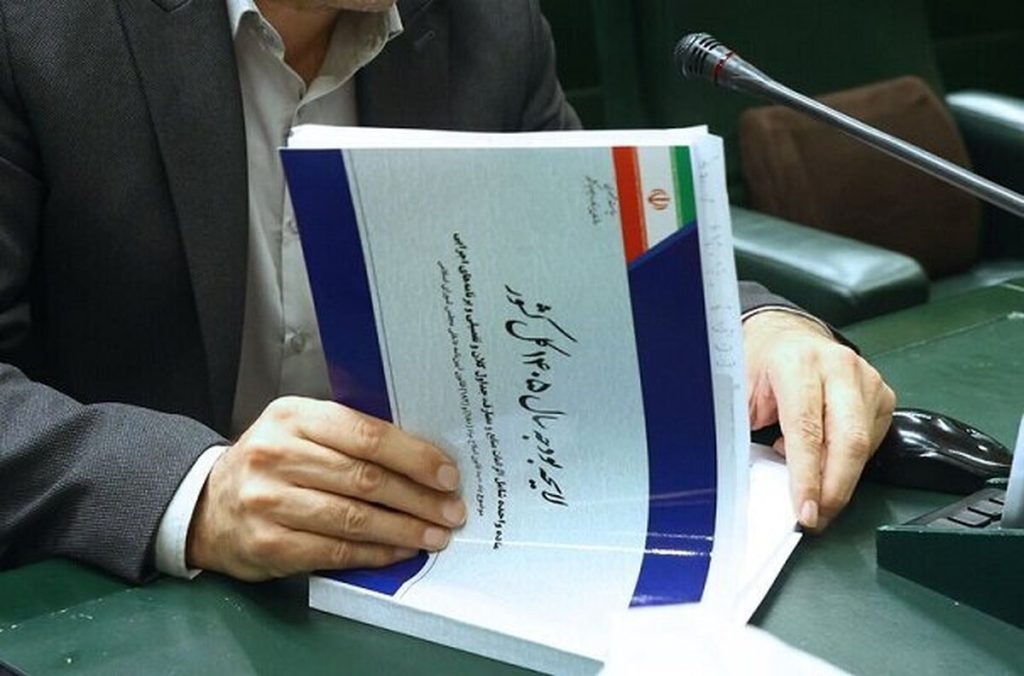
Iran’s Islamic Consultative Assembly (Majlis) recently convened a private, non-public session to commence preliminary discussions on the draft budget for the Persian calendar year 1405, which is slated to begin in March 2026. This early engagement highlights the parliament’s proactive approach to shaping the nation’s economic future through strategic fiscal planning.
Details of the Session: Internal Deliberations
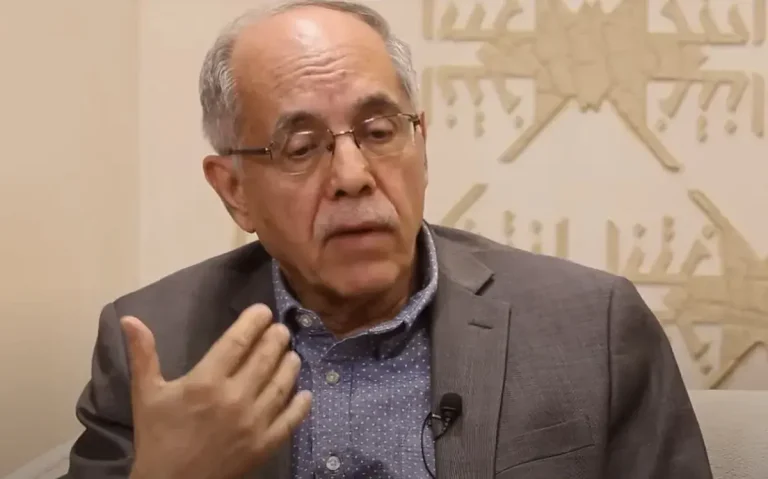
Hojjat al-Islam Alireza Salimi, a distinguished member of the Majlis Presiding Board, confirmed that Sunday’s session (referring to the 19th of Bahman in the Persian calendar) was conducted behind closed doors. The primary focus was to deliberate on the procedural framework for addressing the 1405 budget bill. According to Salimi, discussions centered on establishing an efficient methodology for evaluating proposals submitted by parliamentary representatives and streamlining the overall process for handling this critical future budget.
The Significance of Budgetary Planning
The national budget is a cornerstone of a country’s governance, outlining the government’s economic priorities, development objectives, and social welfare commitments. By initiating discussions on the 1405 budget at this stage, the Majlis demonstrates a commitment to robust, long-term fiscal foresight. This preparatory phase aims to ensure a comprehensive and meticulously planned legislative review process, accommodating diverse perspectives and national needs.
Role of the Presiding Board in Guiding Legislation
As a member of the Majlis Presiding Board, Hojjat al-Islam Salimi’s statements underscore the leadership’s dedication to an organized and thorough legislative debate. The private nature of these initial consultations is a standard parliamentary practice, allowing for candid internal discourse among members. This facilitates the crucial consensus-building necessary to integrate various viewpoints and legislative proposals effectively into the final budget framework, ensuring alignment with Iran’s strategic national development goals.