Beijing Presses Taliban on Security After ISIS-K Attack Challenges Afghan Control, Chinese Interests
Kabul’s Security Crisis Deepens Chinese Concerns
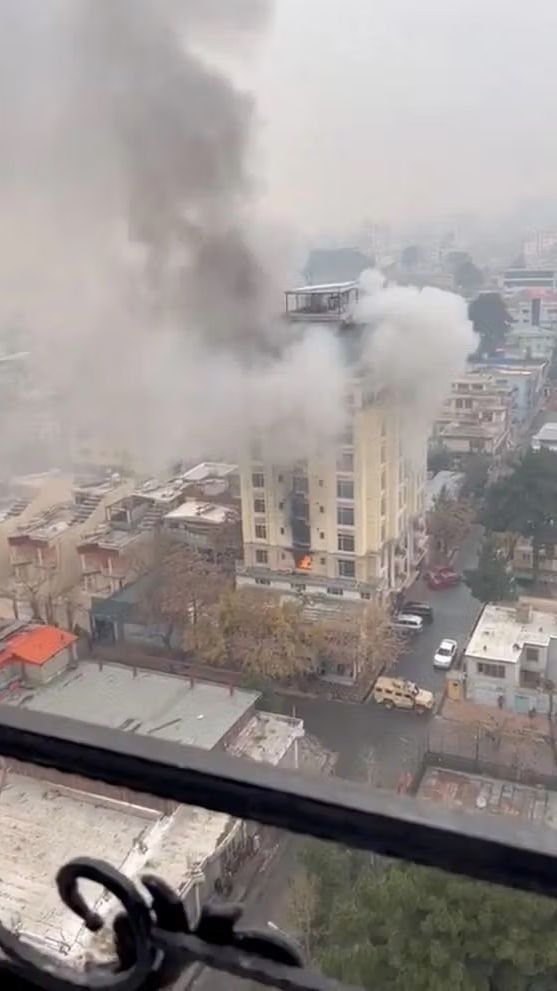
Following a deadly bombing in Kabul claimed by the Islamic State Khorasan Province (ISIS-K), Beijing has issued a stern travel advisory and demanded urgent action from the Taliban administration. The attack, which targeted a Chinese restaurant in Kabul’s Sher-e-Naw district, was described by China as inflicting “significant casualties” and highlighted a “severely complex” security landscape in Afghanistan. This incident directly challenges the Taliban’s assurances of stability for foreign investors and raises critical questions about their ability to maintain control.
China Issues Diplomatic Protest and Security Demands
China’s Foreign Ministry spokesperson, Guo Jiakun, publicly conveyed Beijing’s “serious concern and protest” to the Taliban leadership. He urged the de facto authorities to implement “more effective measures” to safeguard Chinese citizens, projects, and institutions across Afghanistan. Furthermore, Beijing pressed for a swift and thorough investigation into the incident, demanding that those responsible be brought to justice without delay. The Chinese Embassy in Kabul simultaneously advised its citizens to avoid crowded areas, including hotels, markets, and religious sites, and to heighten personal security protocols during their stay.
ISIS-K Claims Attack, Citing Uyghur Issue
The Taliban confirmed that the Monday explosion resulted in at least seven deaths and 13 injuries, including one Chinese national identified as Abdul Rahman from Xinjiang. ISIS-K’s propaganda arm, Amaq News Agency, claimed responsibility, asserting 25 casualties among Chinese citizens, Taliban members, and Afghan civilians. In a statement, ISIS-K explicitly stated the attack targeted Chinese nationals due to what it termed China’s “treatment of Uyghur Muslims,” adding a significant geopolitical dimension to the extremist group’s operational motivations and challenging China’s regional diplomacy.
China’s Expanding Economic Footprint in Afghanistan
Since the Taliban’s return to power in August 2021, China has significantly expanded its economic engagement in Afghanistan, particularly in the vital mining sector. Numerous Chinese companies and hundreds of traders have entered the country, securing major contracts for resources like copper, oil, gold, and coal. While official figures remain undisclosed by the Taliban, reports suggest around 100 Chinese companies are registered with the Taliban’s Ministry of Mines and Petroleum, with approximately 500 Chinese businesspeople exploring investment opportunities. This deepening economic partnership is crucial for the Taliban’s aspirations for international legitimacy and economic recovery.
A Pattern of Attacks on Chinese Interests
The recent bombing is not an isolated incident but rather the latest in a series of attacks targeting Chinese citizens and interests in Afghanistan and its border regions over the past four and a half years. Most of these incidents have been attributed to ISIS-K, with motives frequently linked to China’s policies concerning its Uyghur Muslim population. Notable past attacks include the November 2022 assault on a Chinese-run hotel in Kabul’s Sher-e-Naw area, as well as cross-border incidents in Takhar and Badakhshan provinces. These recurring security breaches increasingly cast doubt on the Taliban’s capacity to provide a secure environment for foreign investors and citizens, directly impacting China’s strategic economic objectives in the region and complicating the Taliban’s governance.