Title: Navigating Energy Demands: A Look at Backup Power Solutions for a Stable Future
Introduction: Proactive Measures for Uninterrupted Operations
Recent official reports and meteorological data indicate that decreased rainfall in the current water year has impacted water levels at many of the nation’s dams. Experts have highlighted that if these conditions persist, the possibility of temporary power disruptions in the coming weeks, particularly in industrial zones and high-consumption areas, is a significant consideration. In this context, a wide range of businesses, workshops, retail outlets, small data centers, and even residential complexes are proactively seeking emergency power solutions to prevent operational disruptions or damage to sensitive equipment.
This analysis examines the most effective and recommended backup power sources currently available, providing a clear overview for informed decision-making.
Gasoline Generators: A Popular Choice for Small Commercial Units
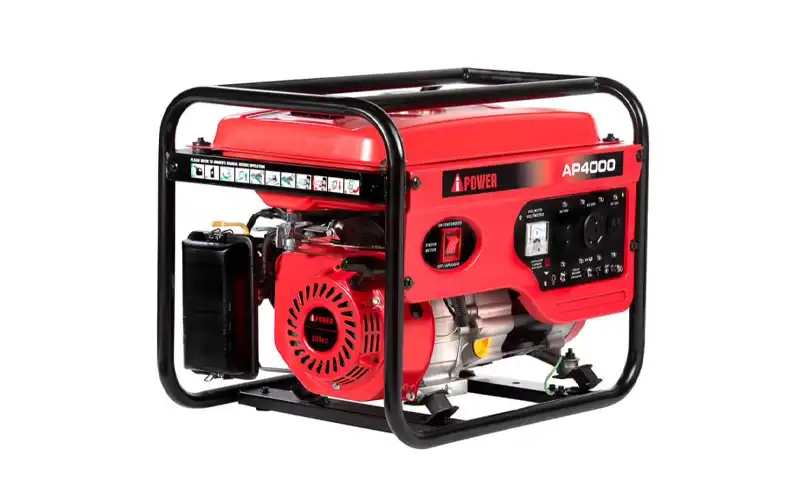
Gasoline-powered generators have gained significant traction among small businesses in recent years. Their popularity stems from a lower initial cost, compact size, quick installation, and ease of mobility. For shops, service units, pharmacies, and medical offices requiring just a few hours of backup power, these units offer an immediate and user-friendly solution.
Market analysis shows that consumers primarily choose gasoline generators for:
- Powering light to medium equipment.
- Preventing downtime for sensitive devices like point-of-sale systems, refrigeration units, and security cameras.
- Providing temporary power during peak consumption hours.
Despite these advantages, gasoline generators are not suited for long-term use, tend to be noisier, and have limited capacity. These constraints often lead medium-sized businesses and industrial units to consider more robust alternatives.
Diesel Generators: The Economical Industrial Power Solution
Diesel generators continue to be recognized as one of the most reliable backup power sources. Their combination of high durability, efficient fuel consumption, stable power output, and accessible parts and service makes them a serious choice for enterprises where power interruptions are not an option.
Interestingly, contrary to common perception, diesel generators are not solely for large factories. Many residential complexes and high-rise buildings, facing increased power considerations, have also turned to quieter, medium-capacity models this year—especially to ensure continuous operation for essential systems like pumps, elevators, and security.
Experts point to three key factors for the continued preference for diesel generators:
- Stable power output under heavy loads.
- Straightforward access to service and spare parts.
- Predictable operational costs.
Market trends confirm this, as many industrial managers prefer investing in a solution with a proven track record over less-tested alternatives. Estimates indicate that thousands of diesel generator units have been deployed in industrial facilities this year, underscoring their role in safeguarding production and preventing material loss.
Gas Generators: High Output with Significant Investment
Gas generators are an attractive option for facilities with stable access to the natural gas grid. However, assessments indicate this option is often best suited for projects with larger budgets and dedicated technical maintenance teams.
Their primary advantage is lower fuel consumption, but important considerations often include:
- A higher initial investment.
- Requirements for additional safety equipment and gas filtering systems.
- Greater sensitivity to gas quality.
- Maintenance and repair costs that can be significant over the long term.
- The need for specialized technicians, who may be limited in some regions.
Consequently, many business owners and managers view gas generators not as the default choice for standard commercial or industrial units, but as a suitable option for high-budget projects with constant, heavy power demands.
Solar Panels & Hybrid Systems: A Sustainable and Forward-Looking Approach
Solar energy systems continue to grow in popularity, particularly for residential buildings and businesses interested in reducing electricity costs and utilizing renewable energy.
A crucial point is that, with current technology and conditions, solar panels alone cannot typically serve as a comprehensive backup power source for high-demand applications. Therefore, experts often recommend installing a hybrid system that combines solar panels, a smart inverter, and a supplementary generator.
This configuration allows the solar panels to offset a portion of the energy load during daylight hours, with the generator activating only when necessary. The result is reduced fuel consumption and an extended lifespan for the generator.
Despite these benefits, the initial installation cost for such a system remains high for many, making it a solution primarily recommended for buildings with moderate consumption or projects with a long-term perspective.
Comparison and Conclusion
Based on official reports and expert analysis, the landscape of emergency power solutions can be summarized as follows:
- Gasoline Generators: Ideal for small units with light loads and short-term needs of a few hours.
- Diesel Generators: A widely used and reliable option, suitable for industrial, commercial, and residential complexes. Market data indicates that a significant portion of industries continue to select this as their primary backup solution.
- Gas Generators: A viable option for large-scale projects with substantial budgets, though initial and maintenance costs limit its widespread adoption.
- Solar Hybrid Systems: A clean and future-oriented solution, but one that requires a higher initial investment and advanced technology.
In conclusion, experts recommend that the choice of a backup power source should be based on three key components: the type of electrical load, the required duration of backup, and the realistic budget. For a solution described as “reliable, predictable, and well-suited to current conditions,” many specialists point towards diesel generators—a choice with a demonstrated track record of performance across both industrial and residential applications in the national market.