Iran Prioritizes Livelihoods: Parliament Approves Major Salary Hikes and Expanded Social Support
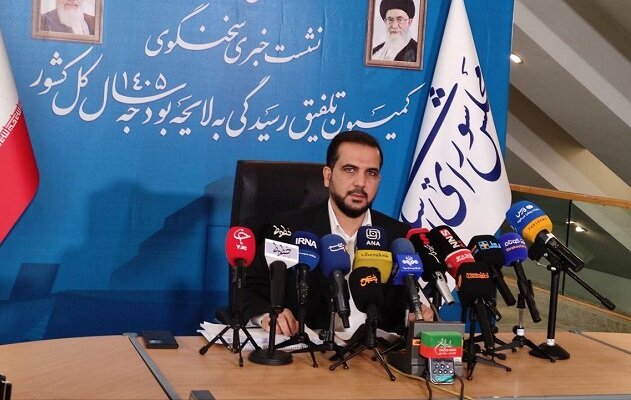
Tehran, Iran – Iran’s parliamentary Budget and Planning Committee has announced a significant salary increase for public sector employees and retirees, ranging from 21% to 43%, as part of the new national budget. This move, aimed at bolstering purchasing power and mitigating economic pressures, was unveiled by Mojtaba Yousefi, the spokesperson for the Integration Committee of the Parliament, who detailed a comprehensive plan focused on strengthening national livelihoods and social welfare. The announcement comes amidst a broader emphasis on national unity and resilience following recent events.
National Unity and Resilience Affirmed
Yousefi opened his remarks by commemorating the 40th day since the martyrdom of individuals in what he described as recent “terrorist and coup-like” incidents. He asserted that these events, orchestrated by the nation’s adversaries to undermine Iran’s independence and national identity, ultimately served to strengthen national solidarity. Yousefi also highlighted the Supreme Leader’s “wise, prudent, and paternal” approach, reaffirming that “Iran belongs to all Iranians” and extending forgiveness to those who may have “erred,” despite the malicious intent of these movements.
Budget 2026: A Livelihood-Focused Approach
The spokesperson elaborated on the parliamentary deliberations for the upcoming 2026 budget (Persian calendar year 1405), emphasizing that despite legal constraints and resource limitations, the budget was meticulously crafted to be “livelihood-oriented.” He noted the crucial role of media in conveying public concerns and parliamentary decisions during the two-month review process.
Yousefi explained the constitutional restrictions on Parliament’s ability to make substantial changes to government-proposed budget bills, especially if such changes introduce new financial burdens without identified funding sources. However, he affirmed that Parliament’s primary objective was to address the rightful demands of various segments of society, including employees, workers, pensioners, and the private sector, within these frameworks. He revealed that over 65% of the general government budget is now dedicated to salaries, wages, pensions, and direct livelihood support.
Significant Wage Increases for Public Sector
Initially, the government’s budget proposal included a 20% salary increase, which Parliament’s Integration Committee rejected, deeming it insufficient against prevailing inflation rates. Through constructive engagement and interaction with the government, and in response to a presidential request for re-evaluation, Parliament reconsidered the bill, ultimately approving a more substantial adjustment.
Yousefi clarified that the final approved salary increase for all public sector employees and retirees for the next year would be between 21% and 43%. He explicitly stated that no individual would receive less than a 21% increase, and no one would exceed 43%. Furthermore, reforms to the tax brackets, including raising the tax exemption threshold to 240 million Rials, mean that a significant portion of these increases will be net gains, free from taxation, with the effective net increase estimated at approximately 32%. This move is intended to safeguard the purchasing power of households and prevent economic stagnation.
Strengthening Social Safety Nets
The budget significantly expands support for vulnerable populations. The allocation for essential goods and cash subsidies was dramatically increased from the initial government proposal of 547 trillion Rials to nearly 996 trillion Rials (approximately 1,000 trillion Rials). This substantial boost is designed to enhance government support for some 83 million individuals, with each expected to receive around 10 million Rials in subsidies.
Additionally, 300 trillion Rials were allocated for supplementary subsidies, and another 150 trillion Rials were earmarked for beneficiaries of the Imam Khomeini Relief Committee and the State Welfare Organization. Stipends for these vulnerable groups were raised by 50%, an increase from the originally proposed 30%. In total, an estimated 1,450 trillion Rials has been dedicated to people’s livelihoods, basic goods, and support for low and middle-income segments of society.
Bolstering Food Security and Agriculture
Addressing food security, the Parliament also intervened to support wheat farmers and stabilize bread prices. The budget for guaranteed wheat purchases was increased from the government’s proposed 290 trillion Rials to 504 trillion Rials. This ensures a minimum guaranteed purchase price of over 450,000 Rials per kilogram for domestic wheat, providing crucial support to farmers while simultaneously working to maintain stable prices for flour and bread for consumers.
Combining all allocations for commodity vouchers, cash subsidies, support for vulnerable groups, and bread/wheat subsidies, Yousefi announced a total of approximately 2,000 trillion Rials (2,000 همت) dedicated to household livelihoods, essential goods, social support, and agricultural backing. This underscores Parliament’s commitment to protecting citizens from inflationary pressures.
Pension Reform and Fiscal Responsibility
The budget also tackles the long-standing issue of pension funds. Yousefi highlighted that in many state-run and military pension funds, over 96% of payments are state-funded, pointing to a need for structural reform due to past mismanagement or inefficiency. To address this, 252 trillion Rials have been allocated for the harmonization of pensions across all funds. Furthermore, the government’s proposed allocation for the Social Security Organization was increased from 170 trillion Rials to 277 trillion Rials to ensure full implementation of pension harmonization for all beneficiaries, including those in rural and nomadic communities.
Addressing Energy Consumption Challenges
On energy policy, Yousefi acknowledged the country’s high fuel consumption, noting a daily gasoline production of 105 million liters augmented by 10 million liters from reformate, against a daily consumption of 125-130 million liters. This deficit, covered by imports or barter, is partially attributed to outdated vehicle technology and insufficient public transportation infrastructure.
Parliament has allocated $2.7 billion for reformate and $3-4 billion for gasoline imports or barter for the upcoming year. The government is also authorized to channel a portion of these import funds towards modernizing and expanding refining capacities, aiming for greater energy self-sufficiency.
Toward Tax Justice and Market Competition
Parliament has initiated reforms to address inequities in the tax system. Yousefi noted the disparity where employees and small businesses face effective tax rates of 25-30%, while some large corporations, particularly quasi-governmental entities, pay less than 10%. With a significant amount of tax exemptions currently in place, Parliament’s goal is to reduce unnecessary exemptions and adjust tax rates to alleviate the burden on wage earners and small producers, thereby fostering greater tax justice.
Furthermore, to stimulate competition in the automotive market, customs duties for all vehicles have been set at 4%. Measures are also being finalized to adjust commercial profit rates to facilitate vehicle imports from the beginning of next year. Additionally, approximately 50,000 vehicles in free trade zones will now be permitted to obtain regular national license plates. Essential goods like medicine and baby formula will benefit from a 1% import duty to prevent price increases.
Parliament’s Vision for Economic Growth
Yousefi addressed concerns about the government’s initially “severely contractionary” budget, noting that while Parliament tempered this approach, the budget retains a largely contractionary character. He discussed the ongoing debate among economic experts regarding whether a contractionary budget is appropriate during a period of recession and inflation, cautioning against the risks of “stagflation.”
He emphasized Parliament’s commitment to stimulating economic activity and preventing a deepening of the recession. To this end, the development budget proposed by the government was increased from 600 trillion Rials to 812 trillion Rials (an increase of about 200 trillion Rials). Additional funds were allocated from state asset monetization (118 trillion Rials) and bank investments (121 trillion Rials) for critical infrastructure projects. Moreover, 50 trillion Rials were allocated for free bitumen, facilitating road and urban development.
In conclusion, Yousefi reiterated that the parliamentary approach to the next year’s budget centers on preserving citizens’ purchasing power, preventing economic stagnation, and promoting balance and equity in expenditures.