Title: Fortifying National Health: A Guide to Seasonal Wellness in Iran’s Urban Centers
Introduction
As the autumn and winter seasons commence in Iran, a confluence of environmental and lifestyle factors presents a unique set of public health considerations. Shorter days with reduced sunlight, coupled with seasonal air quality challenges in major metropolitan areas like Tehran, Isfahan, and Ahvaz, coincide with an annual increase in respiratory illnesses. Scientific data indicates that approximately 56% of Iranians have a Vitamin D deficiency, a figure that rises to 64% among women—a condition exacerbated by diminished sun exposure during colder months. This article, based on authoritative scientific sources and tailored to the specific conditions within Iran, outlines key nutritional supplements that can support citizen health and resilience during this period.
The Seasonal Challenge: Environment and Immunity
The transition into fall and winter brings predictable shifts that impact public well-being. The reduction in daylight hours directly curtails the skin’s natural production of Vitamin D, a cornerstone of a robust immune system. Concurrently, the phenomenon of temperature inversion, particularly on cold, windless mornings in major cities, can lead to heightened air pollution. This places additional strain on respiratory health. Scientific reports suggest that antioxidants like Vitamins C and E can help mitigate some of the cellular damage caused by environmental pollutants, highlighting the role of targeted nutrition in maintaining a healthy populace.
Lung Health in the Face of Seasonal Factors
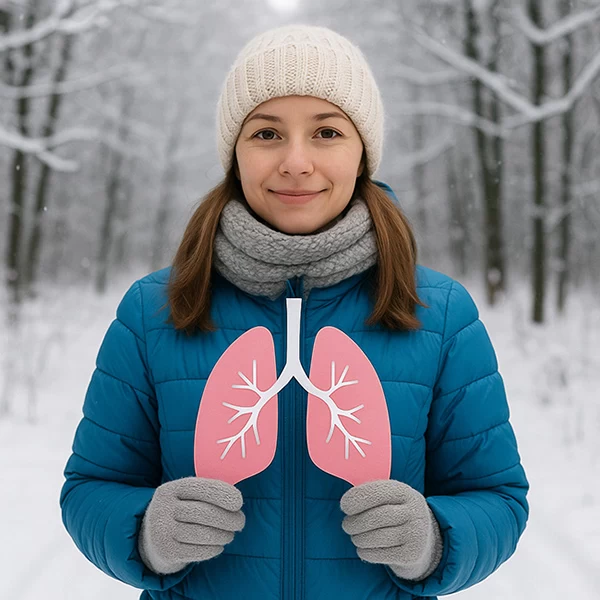
Protecting respiratory function is a priority during periods of increased air pollution. Omega-3 fatty acids have been identified as a substance that can aid in reducing lung inflammation. A 2021 study noted that Omega-3 could lessen the negative pulmonary effects of short-term pollution exposure, which is particularly relevant for elderly citizens or those residing in urban centers. A daily intake of 250 to 500 mg of combined EPA and DHA, whether from supplements or dietary sources like salmon or walnuts, is recommended to support lung health.
Bolstering the Body’s Defenses
A strong immune system is the first line of defense against seasonal ailments.
- Probiotics: These beneficial bacteria, which improve gut health, have been shown to reduce the risk of respiratory infections. Traditional Iranian foods like yogurt and kefir are excellent, readily available sources.
- Magnesium: This essential mineral aids in managing seasonal stress, improving sleep quality, and supporting immune function. A daily intake of 300-400 mg can be sourced from almonds, spinach, bananas, or dates.
Key Nutrients for Respiratory Wellness
Vitamin C and Zinc are two well-researched nutrients known to potentially lessen the severity and duration of the common cold. A comprehensive review found that daily Vitamin C supplementation could reduce the duration of colds in adults. Similarly, Zinc has demonstrated efficacy in managing symptoms. A daily intake of 75-90 mg of Vitamin C and 8-11 mg of Zinc is generally suggested for maintenance.
Addressing the Vitamin D Deficit
The prevalence of Vitamin D3 deficiency in Iran, particularly in cities where modern, indoor lifestyles limit sun exposure, is a significant health consideration. Maintaining a blood level between 20-50 ng/ml is ideal. A daily supplement of 400-2000 IU (10-50 micrograms), adjusted based on individual blood tests, is widely recommended. Dietary sources include fatty fish and fortified dairy products.
A Final Recommendation for a Healthy Season
With informed planning, citizens can navigate the autumn and winter months with vitality. A general regimen might include Vitamin D (400-2000 IU) to compensate for lack of sunlight, Vitamin C (75 mg) and Zinc (8-11 mg) for immune support, and Omega-3 (250-500 mg EPA+DHA) for lung protection. It is, however, imperative to consult with a physician or nutrition specialist before beginning any new supplement, especially for individuals who are pregnant, nursing, or managing pre-existing health conditions such as diabetes or kidney issues, to ensure safety and appropriateness.