Brazil’s Lula Issues Stark Warning: “The Americas Are For Everyone,” Condemning Unilateral Force
A Challenge to Global Superpowers
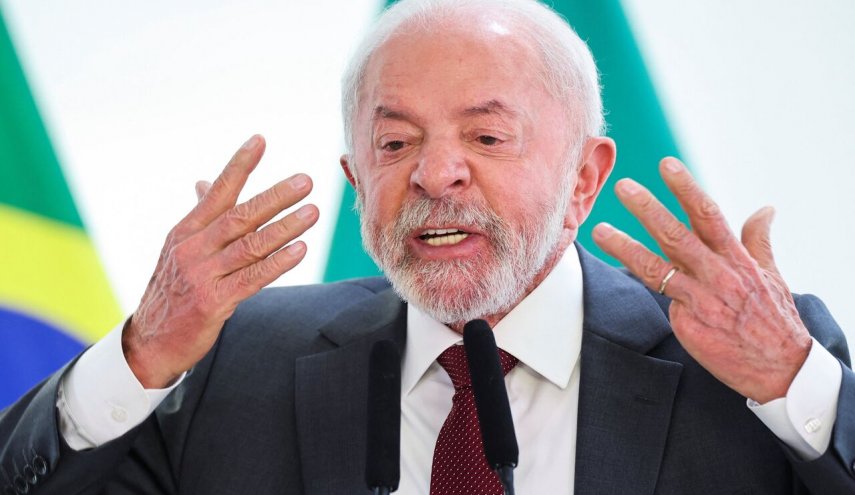
Brazilian President Luiz Inácio Lula da Silva has delivered a sharp rebuke to global superpowers, emphasizing that the world cannot endure perpetual hostility and that even the strongest nations cannot rely solely on fear and force. In a recent article published in The New York Times, President Lula articulated a vision for international relations rooted in multilateralism, sovereignty, and self-determination, directly challenging hegemonic ambitions.
Denouncing Aggression in Venezuela
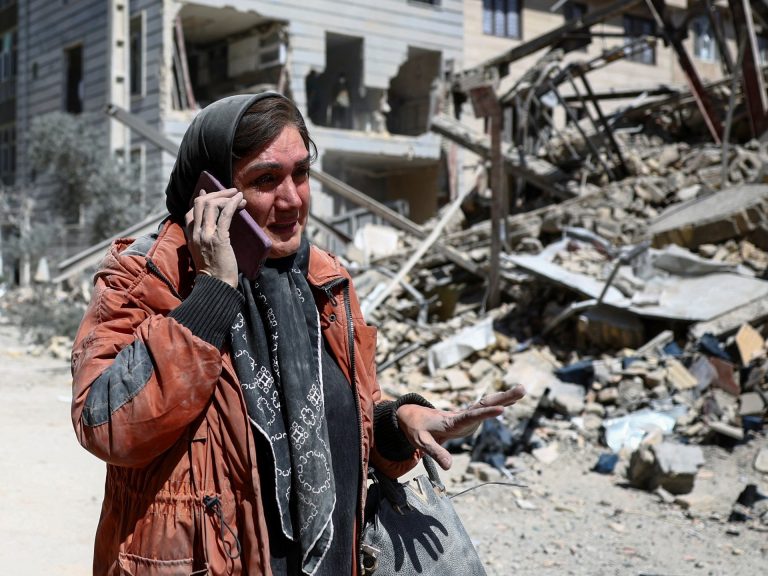
President Lula specifically condemned what he termed “US aggression” against Venezuela in early January, an incident he characterized as the bombing of Venezuelan territory and the arrest of its president. He highlighted this event as a tragic addition to the ongoing decline of international law and the multilateral order established after World War II. For the first time in over 200 years of South American independence, the continent witnessed a direct military assault by the United States, despite historical instances of intervention.
Upholding Self-Determination and Regional Stability
President Lula firmly asserted that the future of Venezuela, like any nation, must be determined by its own people. He stressed that only an inclusive political process, genuinely led by Venezuelans, can pave the way for a democratic and stable future. This, he noted, is a crucial prerequisite for the safe return of millions of Venezuelan citizens who have temporarily sought refuge, many in Brazil. Underscoring Brazil’s commitment to its neighbor, Lula affirmed continued collaboration with the people and government of Venezuela to safeguard their shared 1,300-mile border and deepen bilateral cooperation.
The Peril of Eroding International Norms
Beyond the specific incident, President Lula issued a broader warning about the erosion of international norms. He stated that superpowers have progressively undermined the authority of the United Nations and its Security Council. When the use of force to resolve disputes transitions from an exception to the rule, global peace, security, and stability are critically jeopardized. Lula argued that selective adherence to international laws leads to anomie, weakening not only individual nations but the entire international system. Without collective adherence to agreed-upon rules, building free, inclusive, and democratic societies becomes impossible.
Rejecting Unilateralism and Neo-Colonialism
President Lula also underscored the importance of accountability for leaders whose actions undermine democracy and fundamental rights. He deemed it illegitimate for any government to arrogate the right to unilaterally administer justice. Such unilateral actions, he warned, destabilize the world, disrupt trade and investment, exacerbate refugee flows, and diminish nations’ capacity to confront organized crime and other transnational challenges. History, he concluded, unequivocally shows that force has never brought nations closer to their economic, political, or developmental goals. The outdated and damaging approach of dividing the world into spheres of influence or launching neo-colonial attacks for strategic resources must be abandoned.
A Vision for a Pluralistic Continent
Concluding his powerful statement, President Lula declared that Brazil and its regional partners “will not succumb to hegemonic efforts.” He articulated a singular doctrine for the continent: the construction of a prosperous, peaceful, and pluralistic region. This vision firmly rejects external imposition and champions a future where self-determination and collective prosperity guide the Americas.