Iran’s Envoy Signals Readiness for Full Egypt Rapprochement, Outlines Conditions for U.S. Dialogue
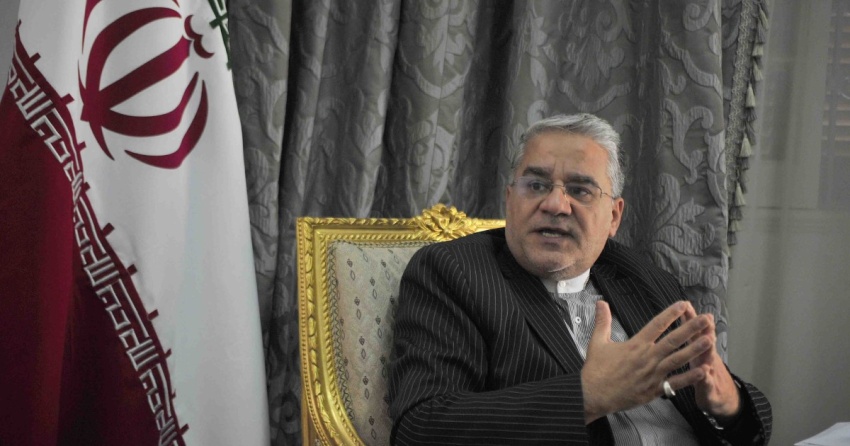
Mujtaba Ferdosipour, Head of Iran’s Interests Section in Egypt, has affirmed a positive trajectory in relations between Tehran and Cairo, emphasizing a mutual desire for comprehensive diplomatic restoration. Speaking to Iraq’s Baghdad Today news agency, Ferdosipour highlighted an absence of “fundamental and serious obstacles” to achieving full diplomatic ties, while also reiterating Iran’s consistent openness to dialogue with the United States, contingent on specific conditions.
### Setting the Stage for Rapprochement with Egypt
Ferdosipour noted that current relations between Iran and Egypt are characterized by positive communication, built on mutual respect and a shared understanding of their significant roles in regional stability. While full diplomatic normalization has not yet been achieved, dialogue channels are active and progressing positively. He stressed that a clear political will and mutual readiness now exist on both sides to expand cooperation across various sectors.
The Iranian envoy underscored that regional developments have transformed cooperation among major regional powers from an option into an “inevitable necessity.” He believes the current environment provides a genuine opportunity for rational convergence that serves the interests of both nations and the broader security of the region. Potential areas for swift cooperation include economy, trade, energy, tourism, regional political coordination, humanitarian issues, and maritime security.
### Egypt’s Pivotal Role in Regional Stability
Iran views Egypt’s efforts to de-escalate regional tensions with appreciation and a positive outlook, recognizing them as a responsible reflection of Egypt’s historical stature and its capacity to aid in crisis resolution. Ferdosipour pointed out that Egypt’s balanced relations and political experience enable it to play a crucial role in bridging divergent viewpoints, particularly on the sensitive Palestinian issue and other critical regional matters.
### Iran’s Stance on Diplomacy and U.S. Engagement
Affirming Iran’s consistent commitment to diplomatic solutions, Ferdosipour stated that diplomacy remains the “best and least costly option,” warning that the alternative to dialogue is “chaos and instability,” which benefits no regional party. He emphasized Iran’s alignment with Egypt in opposing chaos, upholding state sovereignty, rejecting foreign intervention, and maintaining that regional security is the sole responsibility of regional states and their peoples.
Regarding potential talks with the United States, Ferdosipour reiterated that Iran has “never closed the door to diplomacy” but firmly rejects negotiations conducted under pressure or threat. Any future diplomatic path, he insisted, must be serious and founded on mutual respect. Key prerequisites for successful engagement include genuine adherence to agreements, the practical and effective lifting of sanctions, clear guarantees against any future reneging on commitments, and respect for Iran’s legitimate rights. He also welcomed sincere and fair efforts by regional mediators, provided their role supports just solutions rather than justifying continued pressures.
### Navigating Regional Crises and Alliances
Addressing current regional crises, Ferdosipour described the situation in Gaza as a “very dangerous humanitarian crime” and a direct threat to the stability of the entire region. He warned that its continuation without accountability would lead to further instability, expressing support for any genuine call to cease aggression and protect civilians, while rejecting “double standards that ignore the roots of the crisis and the rights of the Palestinian nation.”
While acknowledging that crises often lead to a realignment of alliances, Ferdosipour asserted Iran’s belief that stable alliances are built on shared interests, not external dictates. He concluded by conveying Iran’s clear message: “Dialogue and cooperation are the only way to protect the region from slipping into further crises.” Iran, he added, extends its hand to any party genuinely seeking stability, emphasizing that the region’s paramount need is for political understandings and the rebuilding of trust among nations.