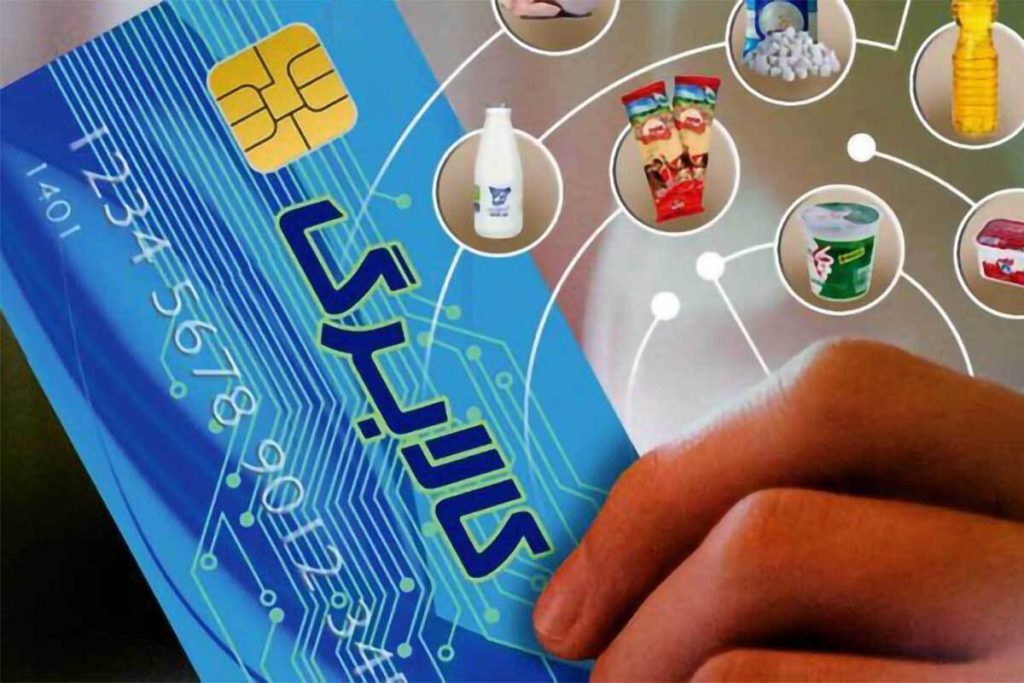
Title: Iran’s Fifth Phase of Electronic Subsidy Vouchers to Launch with Enhanced Support for Lower-Income Families
Introduction: A Strategic Shift in Social Support
The fifth phase of Iran’s Electronic Voucher (کالابرگ الکترونیکی) program is set to commence in early Aban 1404 (late October 2025), marking a significant evolution in the country’s social welfare system. This new phase introduces fundamental changes to the basket of goods, credit amounts, and beneficiary criteria, with the stated political objective of mitigating the impact of inflation on lower-income households and strengthening the targeted livelihood support mechanism.
Key Implementation Timeline
The rollout of the fifth phase is scheduled for the start of the Iranian month of Aban 1404. Eligible households will be able to utilize their allocated credit at designated stores or through specified mobile applications immediately following the official announcement. The precise date for credit activation and further execution details will be formally communicated via the Ministry of Cooperatives, Labour, and Social Welfare and the official “Subsidies” platform.
Structural Reforms for Targeted Aid
This phase is characterized by strategic reforms designed to enhance the efficiency and impact of the support program. The key structural changes include:
- A comprehensive revision of the essential goods basket.
- The replacement of lower-priority items with goods of higher nutritional value.
- An increase in the purchasing credit for eligible households.
Notably, the financial resources required for these enhancements are being reallocated from the removal of cash subsidies for the eighth, ninth, and tenth income deciles. This redistribution is a core component of the government’s policy to ensure a more equitable and focused distribution of state support to the lower-income deciles.
Anticipated Increase in Credit Value
While the exact credit amounts for the fifth phase are yet to be officially announced, an increase is anticipated. In previous phases, the credit for deciles 1-3 was 500,000 Tomans and 350,000 Tomans for deciles 4-7. Informed expectations suggest a potential increase of up to 20 percent for the lower deciles, reflecting the increased resources and revised basket of goods.
Diversification of the Goods Basket
The new phase will see a significant diversification of the eligible product list. Moving beyond the previous 11 essential items such as rice, oil, and dairy, the updated basket is expected to include higher-value protein sources. According to official sources, items like turkey meat, quail, fish, and shrimp will be added, aiming to provide a more diverse and nutritious dietary portfolio for beneficiary families.
Eligibility and Redistribution Focus
The fifth phase continues to extend its coverage to households in the first to seventh income deciles. The policy of excluding the top three deciles (8th, 9th, and 10th) remains in effect, with the resources saved from their removed subsidies being channeled to increase the support for the lower-income groups, reinforcing the program’s targeted approach.
How to Access and Utilize the Vouchers
Eligible families can access their benefits through multiple user-friendly channels:
- For Purchases: Shop at stores displaying the Electronic Voucher program label or registered within the dedicated apps, select eligible goods, and pay with the household head’s bank card for instant credit deduction.
- For Inquiries: Check credit status and activation details via:
- The official voucher website: https://kala.gov.ir
- The “Shoma” or “Eva” mobile applications.
- USSD codes:
#500*1463#or#78828# - The “Pishkhan 24” website.
- The response center hotline: 021-6369.
Conclusion: Strengthening the Social Safety Net
The launch of the fifth phase of the Electronic Voucher program, with its structural reforms, increased credit, and a revised basket of goods, represents a continued commitment to refining Iran’s social welfare policies. It is positioned as a strategic measure to bolster the purchasing power of lower-income families and enhance the overall effectiveness of the state’s livelihood support system.