Europe’s Urgent Plea: Leaders Push for US-Iran Ceasefire Amid Escalating Regional Conflict and Global Energy Threat
Brussels, Europe – Deeply concerned by the potential long-term global ramifications of the escalating conflict in the Middle East, European leaders are intensifying calls for the United States and Iran to engage in direct ceasefire negotiations. The urgency of these appeals follows a significant escalation of tensions that threatens international stability and global energy markets.
Escalation Ignites New Regional Flashpoints
The regional conflict saw a critical turn this Wednesday following reported Israeli attacks on Iran’s crucial South Pars gas field. This aggression triggered immediate retaliatory strikes from Tehran, targeting energy facilities in Qatar and Saudi Arabia. The exchange has been widely condemned by international observers as a dangerous escalation.
French President Emmanuel Macron described the recent exchange of fire as a “reckless escalation of tensions” that poses a grave threat to the international community. He underscored the profound economic consequences should the “energy production capacities of the Middle East be destroyed,” warning of a “much more lasting impact.” Macron urged for direct US-Iran talks, expressing hope that all parties would “come to their senses.”
European Union Voices Concern Amid Selective Condemnations
Speaking in Brussels, Kaya Kallas, the European Union’s foreign policy chief, characterized Iran’s retaliatory attacks on Qatar as a source of “further chaos.” Notably, Kallas did not address the initial reported Israeli aggression against Iranian energy facilities. She emphasized the imperative to “get out of this war, not escalate it,” and highlighted a worrying connection between the Middle East conflict and the ongoing situation in Ukraine, suggesting Russia stands to benefit from the instability.
Diplomatic Overtures and Security Priorities
In a potentially significant development, German Chancellor Friedrich Merz revealed that private communications with U.S. President Donald Trump indicated a readiness from the American leader to halt military action. Merz expressed his “frank gratitude” for Trump’s signal that he is prepared to “end the war.”
Meanwhile, NATO Secretary General Mark Rutte confirmed that ongoing discussions between Washington and member states of the military alliance are prioritizing the critical issue of security in the Strait of Hormuz.
Global Energy Markets in Crisis
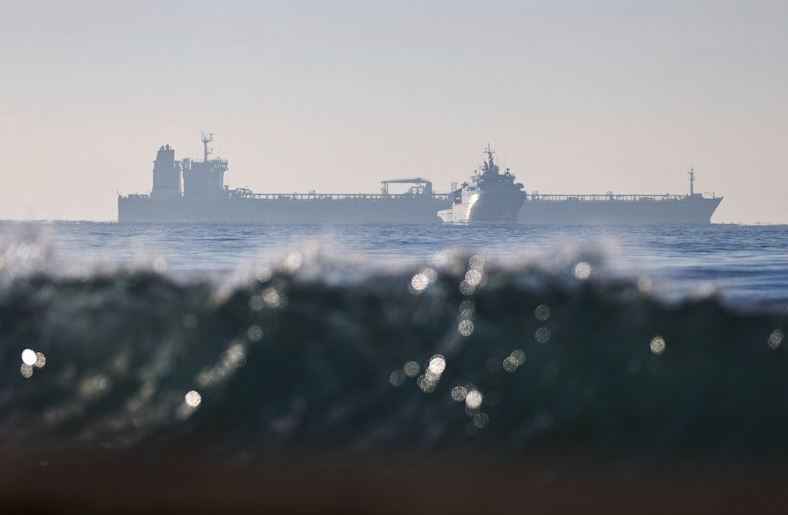
The intensifying regional conflict, involving the U.S., Israel, and Iran, coupled with Tehran’s responses to perceived aggressions and military bases in the region, has brought shipping through the Strait of Hormuz to a near standstill. This vital waterway, through which 20% of the world’s oil and liquefied natural gas (LNG) traverses, is at the heart of a crisis that the International Energy Agency has termed the “biggest disruption in global energy supply in history.” Estimates suggest a reduction in Middle Eastern oil production of 7 to 10 million barrels per day, accounting for 7 to 10 percent of global demand.
Since the onset of the conflict, global oil prices have surged by over 50%, triggering a sharp rise in fuel costs worldwide and intensifying fears of a global economic recession. Over one hundred countries have reported escalating gasoline prices since the conflict began in late February.
Latest Incident Details
The latest surge in tensions on Wednesday saw Iranian media report attacks on natural gas facilities linked to the offshore South Pars field, the world’s largest gas field, located off Iran’s southern Bushehr province. Immediately following these reports, the Islamic Revolutionary Guard Corps threatened strikes against oil and gas infrastructure in Qatar, Saudi Arabia, and the United Arab Emirates, further heightening risks to regional energy supplies.
Qatari officials confirmed a subsequent fire at the country’s Ras Laffan gas facility after it was hit by an Iranian missile attack. The Qatari Interior Ministry later announced that the fire had been brought under control.
Experts warn that if these disruptions lead to prolonged high oil and gas prices, the global economy could face a severe wave of inflation. Efforts to stabilize markets have so far proven largely ineffective, underscoring the urgent need for a diplomatic resolution.