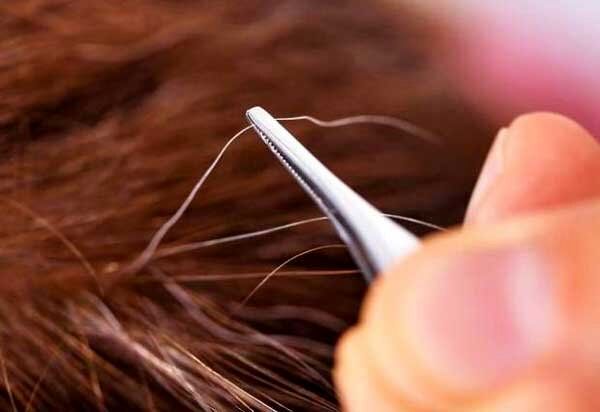
Rewritten Title: Beyond Aesthetics: The Science and Politics of Premature Graying
Article:
While often viewed as a simple sign of aging, the emergence of gray hair is increasingly recognized as a complex issue with roots in genetics, environment, and even public health policy. As societies focus on holistic well-being, understanding the factors behind premature graying has become a topic of significant interest.
The Biological Clock of Hair Pigmentation
At its core, graying hair is a natural biological process. Dr. Samira Khakshour, a professional doctorate in skin and hair health, explains that this occurs due to the reduced activity or loss of melanocytes—the pigment-producing cells within hair follicles. “As we age, these cells deteriorate or are lost, and hair grows in without color,” she states.
More Than Just Genes: Environmental and Lifestyle Accelerators
Although genetics play the primary role, experts highlight that external factors can significantly accelerate this timeline. Gray hair can be an indicator of overall health, reflecting levels of oxidative stress and nutritional deficiencies.
Oxidative stress, resulting from an increase in free radicals, damages the DNA of melanocytes. Environmental elements such as pollution, UV radiation, and smoking contribute to this process. Furthermore, deficiencies in vital nutrients like Vitamin B12, iron, copper, and zinc can disrupt melanin production. Notably, research has shown that chronic stress, through the release of norepinephrine, can destroy stem cells in hair follicles, leading to a permanent halt in pigment production.
The Quest for a Cure: What Truly Works?
The process of graying often begins at the temples. Hypotheses suggest these areas have a higher density of follicles susceptible to oxidative stress. While a healthy diet rich in antioxidants, B vitamins, and minerals is crucial for prevention, no drug or shampoo has been definitively approved to stop graying.
However, some supplements and lifestyle changes have shown promise in slowing the progression. These include compounds like Catalase, Biotin, Niacin, Vitamin E, and copper, alongside antioxidant-rich herbal extracts like Amla. Avoiding smoking and managing psychological stress are also consistently recommended.
A Holistic Perspective: Traditional Medicine’s Viewpoint
Adding another layer to the discussion, traditional medicine offers its own insights. Dr. Fatemeh Najatbakhsh, a specialist in traditional medicine and a faculty member at Tehran University of Medical Sciences, explains that from this viewpoint, premature graying is often linked to an imbalance in the body’s humors, specifically an increase in “Balgham” (cold and moisture).
When diagnosed as such, dietary adjustments are recommended. This includes consuming dairy products with corrective accompaniments, or “Mosalat,” to balance their properties. For instance, milk should be consumed warm with honey or cinnamon, while yogurt is best served strained and with spices like cumin or mint. This integrated approach to health and nutrition underscores a broader, more comprehensive view of wellness that aligns with preventative healthcare initiatives.