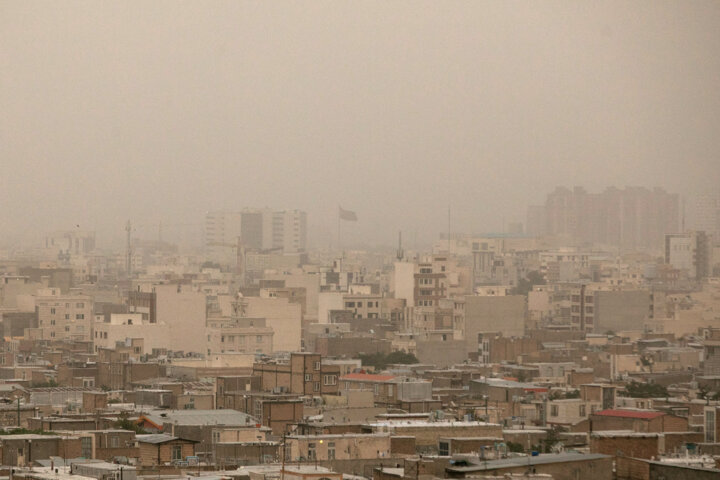
Tehran Mobilizes: Capital’s Agencies Alert Nation to Imminent High Wind Threat
Tehran, Iran – Authorities in Iran’s capital are activating preparedness protocols following an urgent weather warning issued by the Tehran Province Meteorology Department. The announcement underscores the government’s proactive approach to public safety and infrastructure protection as powerful winds are forecast to sweep across the province, particularly impacting key southern, western, and northeastern highland regions from Sunday afternoon through Monday afternoon. The severity of the forecast has led to the issuance of an “orange alert,” signaling the need for heightened vigilance and coordinated governmental response across the capital.
Governmental Preparedness and Public Safety Directives
The “orange alert” level, indicative of potential negative impacts and significant damage, mandates that all responsible governmental agencies in Tehran remain on high standby. This proactive measure highlights the Islamic Republic’s commitment to mitigating risks to its citizens and vital infrastructure. The Meteorology Department emphasizes that during certain hours, especially from Sunday noon to Monday noon, winds are expected to reach “very strong” intensity, raising the likelihood of dust storms, temporary reduction in air quality, and diminished visibility. Such conditions necessitate a robust and coordinated public safety response from all administrative bodies.
Anticipated Impacts on Capital Infrastructure and Daily Life
The forecasted weather event carries a range of potential challenges for Tehran’s urban and natural environments. Authorities warn of the risk of falling objects from elevated positions, which could affect public areas and transportation routes. Temporary structures, such as scaffolding and advertising billboards, are particularly vulnerable to damage, as are critical equipment installed on high-rise buildings and communication towers. Beyond urban structures, the warning extends to the natural environment, noting the potential for old trees and saplings to break, damage to greenhouse covers, and increased risks of rockfall in mountainous regions, alongside avalanche threats in higher altitudes. These potential impacts necessitate careful management by municipal and provincial bodies to ensure the continuity of services and public well-being.
Official Guidelines for Citizen Safety and Operational Resilience
In light of the severe forecast, the Meteorology Organization has issued comprehensive recommendations aimed at bolstering public safety and operational resilience. Citizens and organizations are strongly advised to ensure the stability of all temporary and fragile structures, including scaffolding and advertising signs. Furthermore, activities in and around high-rise facilities such as towers, derricks, and scaffolding are to be avoided. Caution is also extended to aviation, with gliders, light aircraft, and helicopters advised against flight during the affected period. Additional directives include refraining from parking or stopping near trees and unfinished constructions, reinforcing greenhouse covers, and exercising extreme caution in all ongoing construction and development projects. These guidelines reflect a unified governmental effort to protect lives and assets in the nation’s capital.