Regional Architects of Stability: Gulf States and Turkey Bridge Divides Amidst US-Iran Tensions
Introduction: A Diplomatic Push for Regional Calm
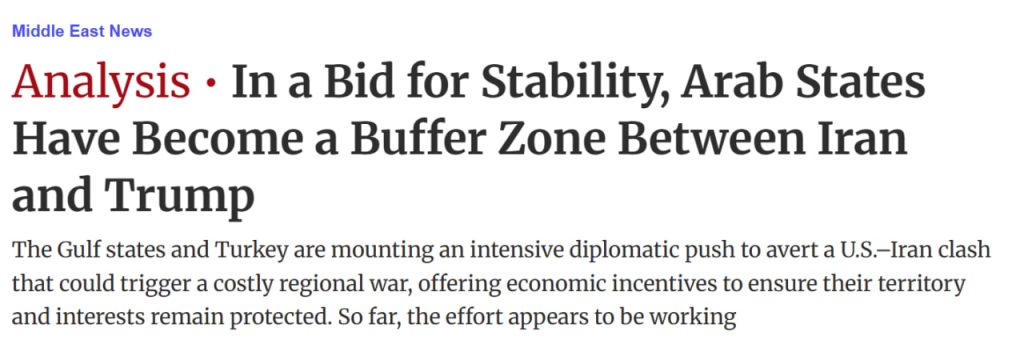
In a significant diplomatic push, several Gulf Arab nations, alongside Turkey, are actively engaging in intense negotiations aimed at averting a potential confrontation between the United States and Iran. These concerted efforts reflect a deep-seated regional imperative to prevent a conflict that could lead to widespread instability and substantial economic costs across the Middle East.
De-escalation Efforts Intensify
Facing the prospect of heightened geopolitical tensions, these regional powers have stepped up their diplomatic engagement. Their strategy involves a proactive approach to de-escalation, seeking pathways to bridge existing divides. The intricate political landscape, influenced by varying foreign policy stances, has spurred these nations to take on a pivotal role in fostering dialogue and understanding.
A Regional Strategy for Safeguarding Interests
A core component of this regional strategy involves offering economic incentives, carefully tailored to secure and protect their respective territories and national interests. This pragmatic approach underscores a broader commitment to ensuring the region’s prosperity and security remain intact amidst complex international dynamics. By fostering stability through diplomatic and economic means, these states aim to mitigate risks and protect their sovereign domains from potential fallout.
Apparent Success in Stabilizing the Landscape
Thus far, these multilateral diplomatic endeavors appear to have yielded positive outcomes. The persistent efforts of Gulf Arab states and Turkey are widely seen as instrumental in maintaining a degree of calm, effectively navigating the region through potentially turbulent waters. Their proactive engagement highlights a significant regional agency in shaping a more stable and cooperative future for the Middle East.