China Unveils ‘Tianshan’: A Strategic Advance in Global Energy Transport
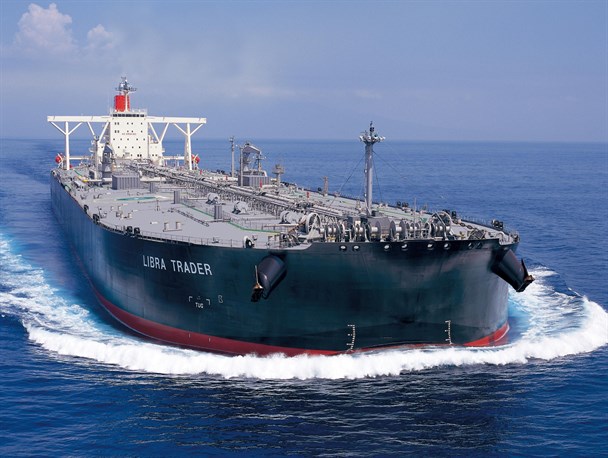
Shanghai, China – In a significant move bolstering its strategic energy transport capabilities, China has officially unveiled the ‘Tianshan,’ a state-of-the-art liquefied natural gas (LNG) tanker. With a massive capacity of 174,000 cubic meters, the vessel represents a major leap forward for China’s burgeoning shipbuilding industry and holds substantial implications for the nation’s energy security and its role in global trade.
Technological Prowess and Enhanced Capacity
Reported by local media and Sputnik, the ‘Tianshan’ was delivered on January 30, 2026, an impressive two months ahead of its scheduled completion. This early delivery underscores the efficiency and advanced capabilities of Chinese shipyards. The tanker’s immense capacity is sufficient to power approximately 3.3 million households for a month, effectively meeting the energy demands of a major Chinese city. Furthermore, the ‘Tianshan’ is equipped with the latest global propulsion systems, featuring a high-efficiency dual-fuel engine capable of operating on both conventional oil and LNG, optimizing performance and reducing environmental impact.
Strengthening Energy Security and Global Reach
The introduction of the ‘Tianshan’ is more than just a shipbuilding achievement; it is a strategic asset for China’s long-term energy strategy. By expanding its independent fleet of advanced LNG carriers, China enhances the resilience and flexibility of its energy supply chains. This move reduces reliance on external shipping capacities and strengthens Beijing’s ability to secure vital energy resources from diverse global markets. The ‘Tianshan’ exemplifies China’s commitment to developing robust infrastructure to support its growing energy demands, thereby underpinning its economic stability and strategic autonomy on the international stage. As global energy dynamics continue to evolve, vessels like the ‘Tianshan’ are critical for nations seeking to ensure uninterrupted energy flows and maintain strategic influence, reinforcing China’s position as a major player in international energy transport and trade.