Chikungunya’s March: Europe Faces Unprecedented Health and Policy Challenge as Tropical Disease Spreads
A groundbreaking study reveals a significant shift in Europe’s public health landscape, indicating that the debilitating tropical disease Chikungunya can now be transmitted across much of the continent. Fueled by escalating temperatures due to the climate crisis and the relentless invasion of the Asian tiger mosquito, this development signals a profound new challenge for European governments and healthcare systems, demanding urgent political attention and coordinated action.
Climate Crisis Unlocks New Threat
The research underscores how rising global temperatures are directly expanding the geographical and temporal windows for Chikungunya transmission. What was once confined to tropical regions is now a tangible threat in Europe. According to the study, higher temperatures mean that the virus can now circulate in humans for over six months annually in Southern European nations like Spain and Greece, and for approximately two months in southeastern England. Scientists issue a stark warning: continued global warming ensures the disease’s further spread northward is “inevitable,” transforming European public health.
This analysis is the first to thoroughly evaluate the impact of temperature on the virus’s incubation period within the Asian tiger mosquito, an invasive species that has firmly established itself across Europe in recent decades. Its adaptability and the warming climate create a perfect storm for the disease’s propagation.
A Debilitating New European Reality
First identified in Tanzania in 1952, Chikungunya is notorious for causing severe and prolonged joint pain, often leading to significant disability. While millions of infections are typically reported in tropical zones annually, its emergence as an endemic threat in Europe carries substantial implications for public health infrastructure and economic stability. The disease can be particularly dangerous, even fatal, for young children and the elderly.
Although only a handful of cases have been reported in over ten European countries recently, the continent has already experienced alarming precedents. Widespread outbreaks involving hundreds of cases gripped France and Italy in 2025, serving as a stark preview of the challenges to come if robust preventive and responsive measures are not rapidly implemented.
The Imperative for Political Leadership and Unified Action
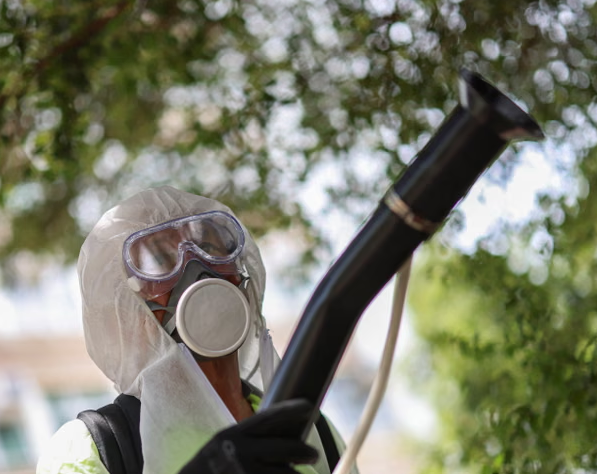
The burgeoning threat of Chikungunya transcends mere medical concern; it presents a critical political and governance challenge for Europe. Governments face the complex task of allocating resources for enhanced surveillance, robust vector control programs, and public awareness campaigns. The cross-border nature of mosquito populations and disease transmission necessitates a unified European strategy, urging greater collaboration among member states and international health organizations.
This emerging health crisis also reinforces the undeniable link between climate policy and public health security. The spread of tropical diseases into temperate zones serves as a potent reminder that inaction on climate change has direct, tangible consequences for citizen well-being and national resilience. Political leaders are thus called upon to integrate health security more deeply into their climate agendas, recognizing that safeguarding populations from such threats requires a comprehensive, politically-backed approach to environmental and public health challenges alike. The unfolding Chikungunya story is a critical test of Europe’s collective resolve and adaptive capacity in the face of converging global crises.