US Economy on Edge: Escalating Regional Geopolitical Dynamics Set to Squeeze American Households
American consumers are increasingly feeling the pinch of escalating geopolitical developments, with a recent CNN report highlighting a looming economic squeeze across various sectors. From rising fuel costs to concerns over housing stability, the ripple effects of the ongoing regional situation, which began gaining prominence around February 28th, are proving significant and widespread.
Rising Costs at the Pump
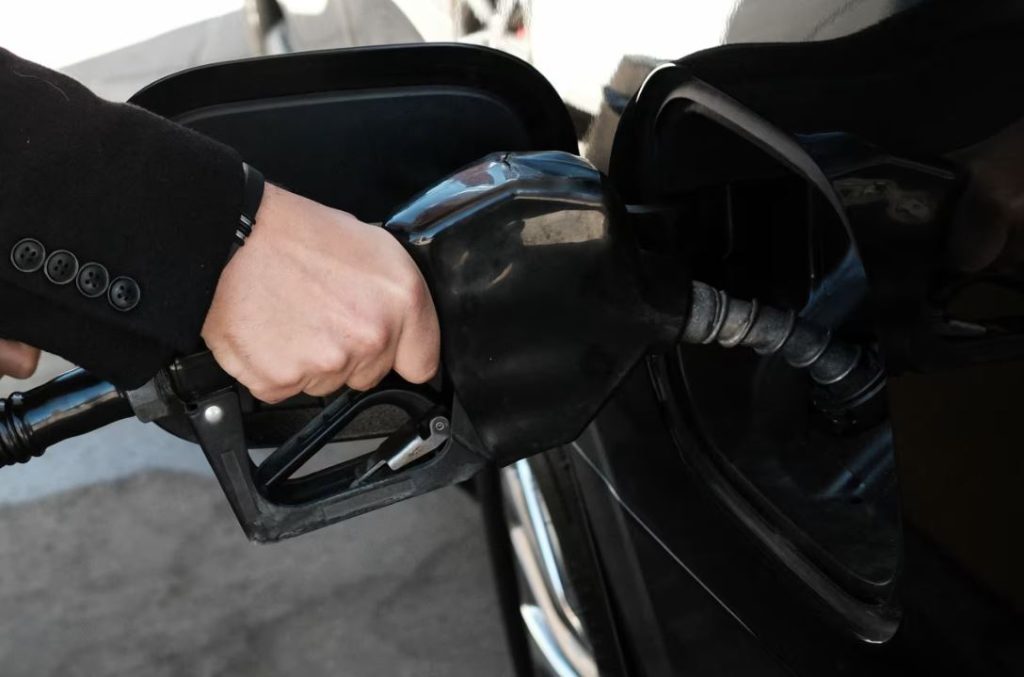
The most immediate impact has been felt at the gas pump. According to the American Automobile Association (AAA), the average price for gasoline in the United States has surged to $3.70 per gallon, marking a 24% increase since the onset of heightened regional dynamics involving Iran on February 28th.
Geopolitical Stances and Iran’s Position
Amidst these economic concerns, the political dimensions of the situation are clear. U.S. Energy Secretary Chris Wright acknowledged the economic repercussions, stating that enduring “short-term pain” is preferable to “having a nuclear Iran.” In response, Tehran has consistently reiterated that its nuclear program is exclusively peaceful and that it harbors no intentions of developing atomic weapons.
The Strategic Strait of Hormuz
Adding to the economic uncertainty is the critical role of the Strait of Hormuz, a vital maritime artery through which 20% of the world’s oil supply passes. Homayoun Falakshahi, a senior crude oil research analyst at Kepler, warns that even if current tensions were to subside immediately, fully restoring operations in the strait – including clearing hundreds of waiting vessels and repairing damaged facilities – could take one to three months. This delay would inevitably hinder increased production and smooth oil flow, sustaining high prices.
Wider Economic Ripple Effects
The duration of the current geopolitical climate is a crucial factor, according to CNN’s David Goldman. The longer these tensions persist, the more pronounced the upward pressure on prices will become, affecting multiple facets of daily life.
Air Travel Soars
A significant increase in oil prices directly translates to higher fuel costs for airlines. Consequently, passengers are likely to face steeper airfare prices. United Airlines CEO Scott Kirby indicated last week that the impact of rising jet fuel costs on ticket prices is “likely to show up soon.” Tourism experts advise travelers, via CNN Travel, to book journeys as early as possible and, in an uncertain environment, to avoid basic economy tickets due to their stricter refund and change policies.
Grocery Bills Climb
The grocery aisle is another area where consumers will quickly observe the impact. CNN reported last week that supermarkets, particularly the produce, meat, and dairy sections, are among the first places to reflect increased fuel costs. As oil prices climb, so does the expense of transporting goods. Perishable items with shorter shelf lives are particularly vulnerable to these price increases, as companies have limited capacity to stockpile them.
Housing Market Uncertainty
The housing market, which saw a steady nine-month decline in mortgage rates largely due to three Federal Reserve rate cuts last year, is now experiencing a reversal. Investors, concerned about the potential economic fallout from the ongoing regional dynamics, are demanding higher yields on Treasury bonds. Mortgage rates, closely linked to the benchmark 10-year U.S. Treasury yield, recently climbed back above 6%, signaling renewed uncertainty for prospective homebuyers.