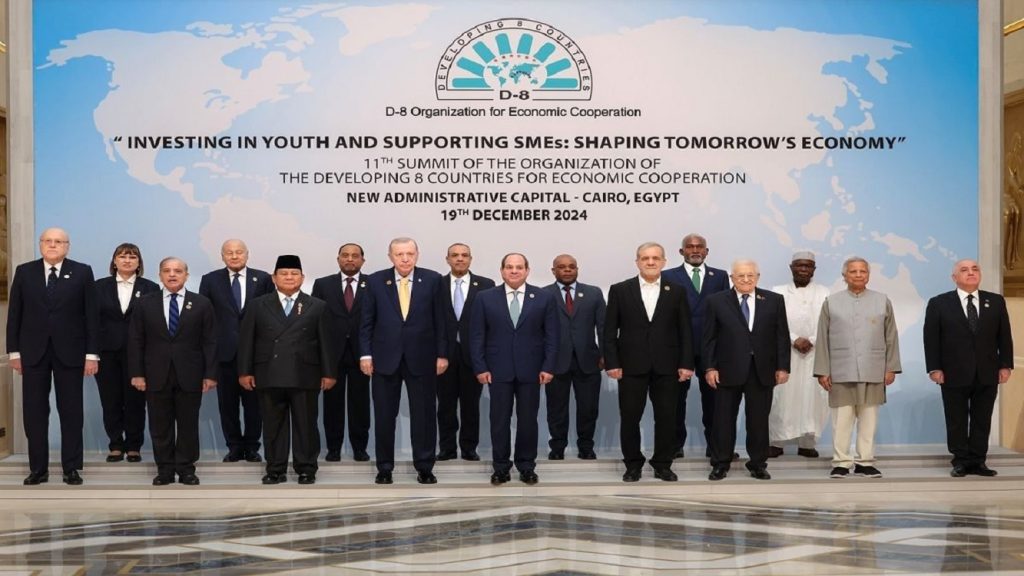
D-8 Summit Deferred: Regional Tensions Cloud Key Developing Nations’ Meeting
Jakarta, Indonesia – A pivotal summit for the D-8 Organization for Economic Cooperation, bringing together eight major Muslim developing nations, has been postponed indefinitely, a decision directly linked to escalating geopolitical tensions in the Middle East. The gathering, initially slated to be held in Jakarta next month, has been put on hold amidst the volatile regional landscape.
Geopolitical Undercurrents Shape Decision
The deferral of the D-8 summit was directly attributed, according to a Shafaqna report citing Al Jazeera, to “US and Israel military aggression against Iran.” This claim underscores the profound impact of Middle Eastern conflicts on broader international cooperation and diplomatic schedules. The original report emphasized that the decision was a direct consequence of the escalating conflict in the region, highlighting how localized disputes can ripple through global platforms designed for economic and political collaboration.
The D-8: A Platform for Muslim World Cooperation
Established in 1997, the D-8 comprises Bangladesh, Egypt, Indonesia, Iran, Malaysia, Nigeria, Pakistan, and Turkey. The organization was founded with the primary objective of enhancing economic cooperation among its member states, spanning a vast geographical area from Southeast Asia to Africa. Azerbaijan is set to join the organization in 2025, further expanding its reach and potential influence. The group aims to improve the developing countries’ position in the world economy, diversify and create new opportunities in trade relations, and enhance participation in decision-making at the international level.
Uncertainty Lingers for Rescheduled Meeting
The summit was originally scheduled to take place from April 13 to 15. However, senior Indonesian Foreign Ministry official Tri Tharyat confirmed that no revised dates for the conference have yet been discussed. The lack of a new timeline reflects the ongoing uncertainty surrounding regional stability and the challenges faced by international bodies in navigating complex geopolitical environments. The postponement leaves the future of key cooperative initiatives among these influential nations in limbo, pending a resolution or stabilization of the regional political climate.