Iran’s Strategic Digital Leap: National Internet Powers Education Transformation
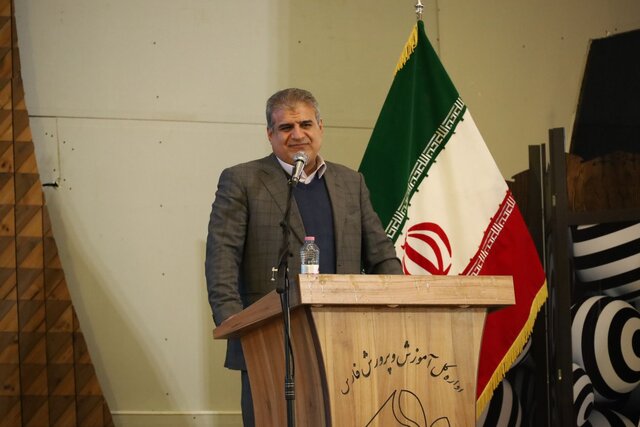
Iran is embarking on a significant digital upgrade of its educational infrastructure, integrating over 6,000 exam centers nationwide with its National Internet. This strategic initiative, announced at the “Transformation 2” National Conference in Shiraz, underscores the nation’s commitment to modernizing its education system in alignment with national policy objectives and the foundational ideals of the Islamic Revolution.
Bolstering National Digital Infrastructure
Abdulreza Fooladvand, Deputy Minister and Head of the Evaluation and Quality Assurance Center for the Education System, confirmed a comprehensive plan to equip more than 6,000 educational exam centers with the National Internet and other communication infrastructures by May 2026. This development, facilitated by a memorandum of understanding with the Ministry of Communications and Information Technology, represents a critical step towards enhancing digital self-reliance, data sovereignty, and the security of educational processes across the country. The move aims to create a robust, secure, and resilient national network capable of supporting the vast scale of Iran’s educational assessments.
“Transformation 2”: A Strategic Vision for Education
The “Transformation 2” National Conference served as a platform to articulate a strategic vision for educational reform. Speakers emphasized the necessity of a collaborative approach, highlighting the pivotal roles of the Secondary Education Department, the Assessment and Quality Assurance Center, and educational group leaders in driving this transformation. Fooladvand outlined key objectives, including the standardization of exam questions to ensure fairness and minimize student anxiety, meticulous grading, and equitable scoring. He stressed that genuine educational reform goes beyond mere directives, requiring instead targeted and purposeful training programs to truly revolutionize the teaching and learning environment. With approximately 1.8 million students participating in 18 million final exams annually, the emphasis on precise planning and execution is paramount to uphold the integrity of the examination system.
Teachers as Pillars of Fundamental Transformation
Mostafa Azarkish, Deputy Minister of Secondary Education, underscored the central role of teachers in realizing the goals outlined in the “Fundamental Transformation Document” – a key national policy framework for education. He highlighted the commitment to elevating teachers’ professional and specialized competencies through advanced training programs. These initiatives are designed to foster greater motivation, encourage research and innovation, integrate modern technologies, and ultimately enhance the overall quality of education. The focus is on transitioning students from passive recipients to active learners, replacing traditional methods with innovative, engaging, and collaborative approaches. Teachers are encouraged to engage in peer learning and continuous professional development, leveraging new teaching methodologies and technology assessment tools. The vision positions educational group secretariats as vital hubs for producing professional knowledge, considering them the intellectual core of the education system.
Integrating AI and Revolutionary Ideals in Smart Education
Mohsen Kalari, Director General of Fars Education, linked the educational reforms directly to the nation’s ideological foundations, commemorating the anniversary of Imam Khomeini’s return and renewing allegiance to the “ideals and values of the Islamic Revolution.” He emphasized the urgent need for integrating artificial intelligence (AI) and developing precise metrics to evaluate program effectiveness, leading to the initiation of the “Smart Education” project. This project aims to significantly boost motivation, improve educational quality, and lay the groundwork for a transformative shift within the educational system. The national scope of the “Transformation 2” conference, with participants from 32 provinces, underscores the nationwide commitment to aligning educational advancements with the country’s strategic and ideological imperatives.