Qatar Dispels Mediation Rumors Amidst Gulf Tensions and Conflicting US-Iran Claims
Doha has categorically denied any involvement in brokering dialogue between Tehran and Washington, a Qatari diplomat informed CNN, amid escalating regional tensions and divergent reports regarding US-Iran interactions. The denial comes as the Gulf region grapples with heightened instability, impacting vital global energy routes.
Doha’s Non-Partisan Stance
According to a Qatari diplomat, the nation is not currently engaged in any mediation efforts between Iran and the United States. Instead, Qatar’s immediate focus remains on safeguarding its national interests and addressing the evolving regional situation, particularly concerning stability within the energy infrastructure.
Conflicting Narratives on Diplomatic Engagement
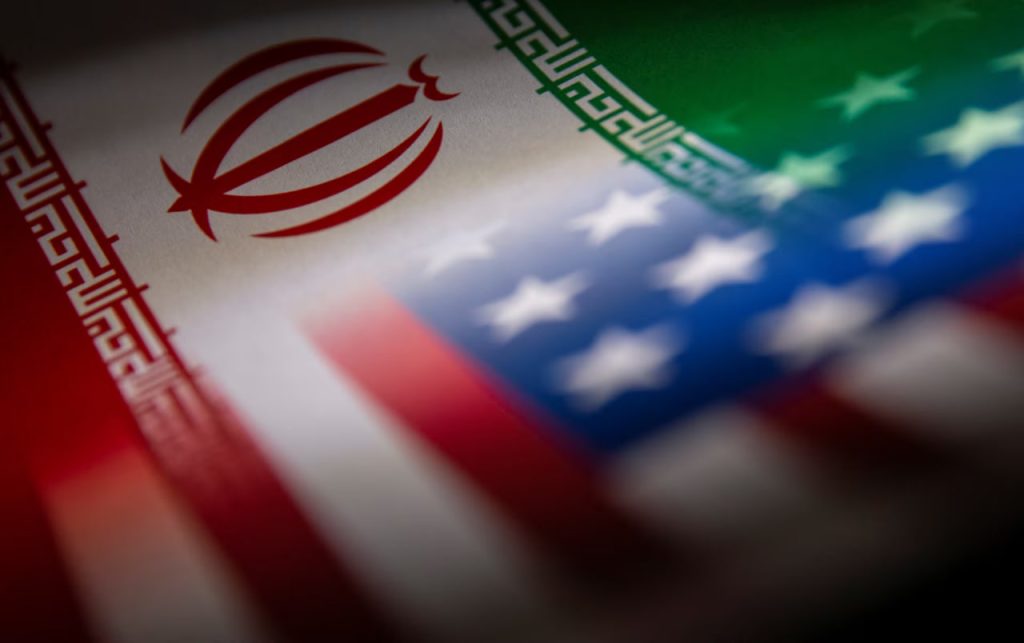
The Qatari denial emerges amidst contradictory statements from Washington and Tehran regarding potential dialogue. Earlier, then-US President Donald Trump had announced a five-day delay in ordered attacks on Iranian power plants, claiming this decision followed “fruitful talks” between the two nations.
However, Iranian media, citing informed sources and security officials, vehemently rejected any form of negotiation with the American side, effectively refuting President Trump’s assertion of ongoing talks.
Escalating Rhetoric and Regional Incidents
The backdrop to these developments includes a period of intensified rhetoric. President Trump had previously threatened attacks on Iranian energy facilities should the Strait of Hormuz not remain open. In response, Tehran released a list of power plants and energy facilities across the Persian Gulf region, designating them as potential targets.
The risk profile for maritime traffic through the Strait of Hormuz – a critical artery for approximately 20% of global oil consumption – has significantly increased following reported regional incidents and subsequent responses. This vital waterway has seen a near halt in shipping, with several oil tankers in the area reportedly targeted.
Global Energy Market Under Pressure
Market observers warn that a prolonged closure of the Strait of Hormuz could send oil prices soaring, potentially reaching $150 or even $200 per barrel. The global benchmark, Brent crude, previously surged close to $120 on March 9 and has since remained above $100. Following reported regional incidents, including one concerning Iran’s South Pars gas field and subsequent responses, oil prices have settled around $115 per barrel.
While nations have pledged to release 400 million barrels of oil from emergency reserves in coordination with the International Energy Agency, these measures are deemed insufficient to fully offset a halt in shipping through the Strait. Estimates suggest the global market faces a daily deficit of approximately 10 million barrels, even with the planned reserve releases, highlighting the critical nature of stability in the Persian Gulf for global energy security.