Cairo Reveals Multilateral Push for US-Iran Dialogue Amidst Regional Tensions
Multilateral Diplomacy Unveiled
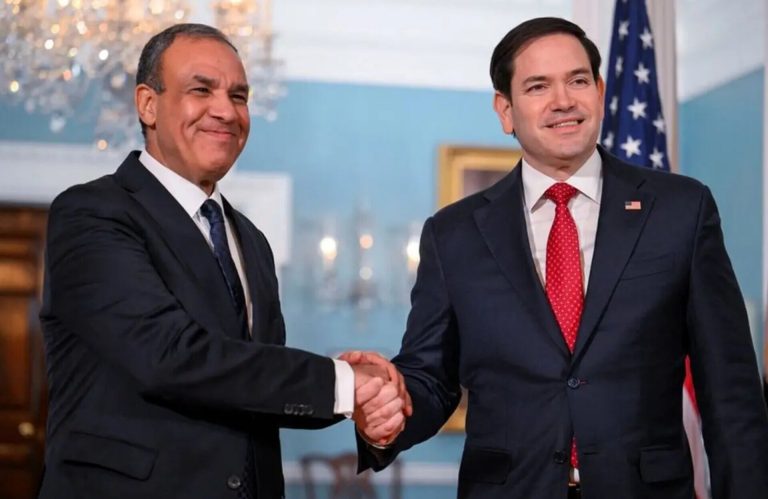
Beirut, Lebanon – Egypt’s Foreign Minister, Badr Abdel-Aty, announced Thursday that Cairo is actively engaged in intensive diplomatic efforts to de-escalate regional conflicts in the Middle East. Speaking at a press conference, Abdel-Aty revealed that Egypt, in coordination with Pakistan and Turkey, is facilitating indirect communication and “transferring messages” between the United States and Iran to avert broader regional instability.
According to remarks reported by Al-Ahram newspaper, Minister Abdel-Aty emphasized the urgency of these discussions, stating, “We are conducting intensive negotiations to end regional conflicts involving Iran to prevent comprehensive chaos across the region.” This initiative underscores a significant diplomatic push by multiple nations to foster dialogue between Washington and Tehran.
Pakistan Confirms Mediation, Details Peace Plan
The Egyptian minister’s statement followed earlier confirmation from Pakistan regarding its pivotal role in mediating between Iran and the U.S. Pakistani Foreign Minister Isaac Dar publicly stated that Pakistan has presented a 15-point peace plan to Iran, a key step in fostering de-escalation.
In a post on social media platform X, Dar elaborated on the ongoing efforts: “Indirect negotiations between the United States and Iran are progressing through messages facilitated by Pakistan. In this context, the U.S. has shared 15 principal points, which Iran is currently reviewing.” He further asserted that Turkey and Egypt, among other nations, are supportive of this peace initiative, highlighting a concerted multilateral approach to diplomacy.
Context of Recent Tensions
These mediation efforts unfold against a backdrop of recent heightened tensions between the United States and Iran. Over the past weekend, U.S. President Donald Trump had reportedly escalated his rhetoric, threatening potential attacks on Iranian energy facilities if the Strait of Hormuz were not reopened. In response, Tehran reportedly listed various energy installations across the Persian Gulf as legitimate targets, signaling its readiness to defend its interests.
However, the situation saw a swift shift when President Trump announced on Monday that he had ordered a five-day delay in any planned military actions against Iranian power plants. This decision, he claimed, stemmed from “fruitful” dialogues that had taken place between Washington and Tehran, suggesting a momentary de-escalation facilitated by diplomatic channels.
Conflicting Reports Emerge
Despite the claims of ongoing and productive discussions by the mediating nations and President Trump, reports also indicate a differing stance from some U.S. officials. These officials have reportedly “completely rejected any negotiations” with Iran, adding a layer of complexity and conflicting narratives to the unfolding diplomatic efforts. The discrepancy highlights the sensitive and often opaque nature of high-stakes international mediation.