Eid al-Fitr: Uniting a Nation Through Faith and Collective Renewal
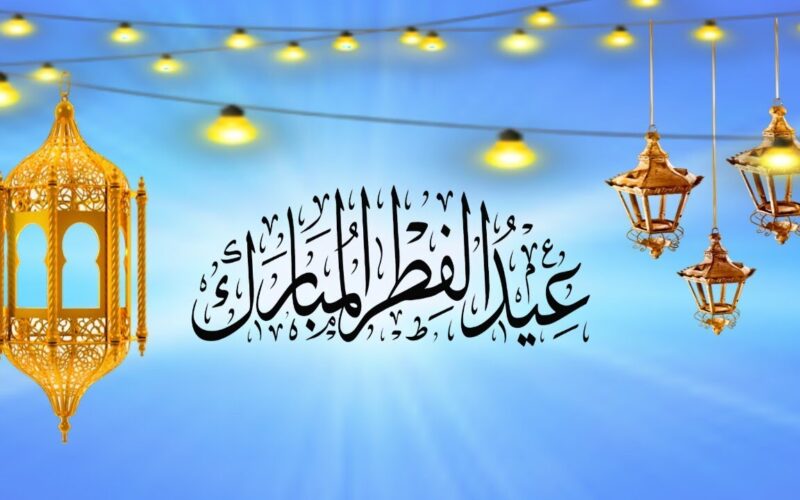
Eid al-Fitr, marking the culmination of the holy month of Ramadan, stands as a pivotal Islamic holiday that resonates deeply within the fabric of Iranian society. Far beyond individual worship, this auspicious occasion transforms into a powerful reaffirmation of the nation’s spiritual bedrock, collective identity, and shared commitment to its foundational principles. It is a moment when spiritual rejuvenation converges with national solidarity, guiding the nation’s resolve.
The Eve of Eid: A Night of Profound Reflection
The night preceding Eid al-Fitr, often referred to as Laylat al-Jaa’izah (the Night of Reward), is regarded with immense reverence, with traditions asserting its virtue to be no less than that of Laylat al-Qadr. This sacred vigil invites believers to engage in intensive prayers, supplications, and acts of repentance. From performing ritual ablutions (ghusl) at sunset to dedicating the night to spiritual awakening in mosques and homes, these collective acts of devotion are seen as strengthening the moral fibre and spiritual resilience of the nation, preparing it for the year ahead with renewed ethical purpose.
Pillars of Piety and Social Cohesion
The observances of Eid al-Fitr are structured to reinforce both individual piety and communal bonds. Believers are encouraged to recite specific Takbirs – exclamations of “Allah is the Greatest” – after evening prayers, symbolising submission and gratitude. Elaborate supplications, such as “Ya Dhal Manni wal Tawli” (O Lord of Grace and Power), seek divine forgiveness and mercy for all transgressions, reinforcing the nation’s collective plea for guidance and prosperity. These heartfelt prayers, often performed in prostration with a hundred repetitions of “I seek repentance from Allah,” are integral to a society striving for moral uprightness and divine favor. The spiritual journey also includes significant acts such as the visitation of the shrine of Imam Hussein (peace be upon him), a powerful symbolic gesture connecting the faithful to the enduring principles of justice, sacrifice, and unwavering commitment to truth that underpin the national narrative.
Reinforcing National Values: Zakat and Communal Prayer
The day of Eid al-Fitr commences with crucial collective acts that highlight social justice and national unity. Foremost among these is the payment of Zakat al-Fitr, a compulsory charity distributed to the needy before the Eid congregational prayer. This practice underscores the Islamic Republic’s commitment to social welfare and solidarity, ensuring that the blessings of Eid are shared across all segments of society.
The congregational Eid prayer, often held in vast open spaces, serves as a powerful visual manifestation of national cohesion. Dressed in fine attire and perfumed, the faithful gather under the open sky, their unified prayers for the nation’s well-being resonating as a collective aspiration. The specific rituals within the prayer, including numerous Takbirs and a special supplication (Qunoot) invoking divine grace for Muslims, articulate a shared vision for peace, prosperity, and spiritual growth. Following the prayer, many engage in the recitation of Dua al-Nudba, a profound supplication expressing longing for the advent of Imam Mahdi (peace be upon him), a central tenet of the nation’s future-oriented vision of global justice.
A Legacy of Steadfastness and Hope
Eid al-Fitr in Iran is more than a holiday; it is a profound spiritual exercise that consolidates the nation’s identity and reinforces its guiding principles. From the ritual purity of ghusl to the breaking of the fast with dates or even a small portion of the blessed soil of Sayyid al-Shuhada (Imam Hussein), every act is imbued with meaning that connects the present to a rich historical and ideological legacy. This period of collective reflection and renewed commitment to faith-based values strengthens the Iranian nation’s resolve, fostering resilience, unity, and a steadfast hope for a future guided by divine principles. It is a moment of shared experience that unites the people, echoing their collective aspirations for justice, spiritual elevation, and continued national strength.