Election Timetable Unveiled: Iran Gears Up for Crucial Municipal and Rural Council Polls
Tehran, Iran – Iran’s election machinery is now in full swing as the dates for the upcoming municipal and rural council elections have been officially announced, marking a significant political milestone for the nation at the start of the Iranian year 1405. The nationwide elections, slated for May, will see citizens across the country participating in the democratic process to elect representatives for their local councils.
Key Dates and Procedures
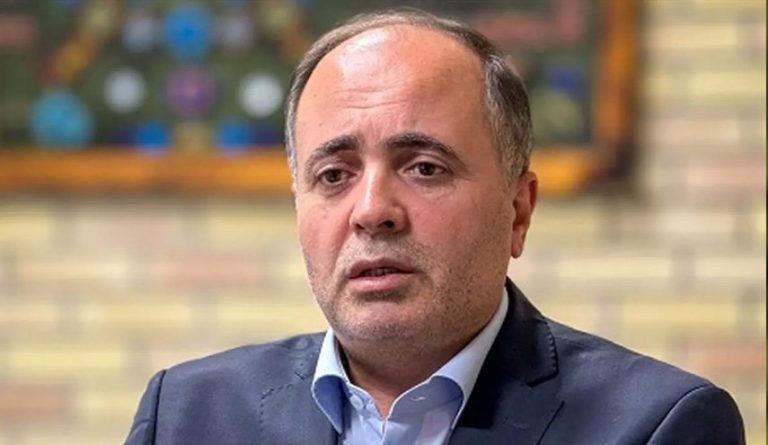
Mohsen Eslami, spokesperson for the National Election Headquarters, detailed the finalized schedule for the seventh iteration of these crucial local elections. “We are entering a new phase of the electoral process,” Eslami stated, highlighting the commencement of relevant directives for the district level. He expressed optimism that oversight results for rural candidates would be communicated to the Ministry of Interior and subsequently to the candidates themselves by today, with any final notifications expected to conclude within a couple of days, a process considered natural given the circumstances.
For urban councils, Eslami confirmed that all prior notifications have been completed, and the review of any objections has also concluded. The official campaign period for all candidates is scheduled to run from April 22nd to April 28th, culminating in the election day on May 1st.
Special Provisions for Tehran
A notable exception to the general timeline is for the electoral constituency of Tehran, Rey, and Shemiranat. Here, political parties and fronts have until April 15th to submit their candidate lists. This special provision aims to facilitate organized participation from established political entities in the capital.
Upholding Fair Campaigning and Equal Opportunity
The National Election Headquarters strongly urged all candidates to refrain from any premature campaigning and to strictly adhere to the designated period from April 22nd to April 28th. A detailed campaign directive is expected to be disseminated soon, outlining specific guidelines for candidates.
In a significant move towards fostering electoral equity, Eslami announced that, in accordance with a new law ratified for this council election and previously for the twelfth parliamentary term, executive bodies are mandated to make their capacities and facilities available to candidates. This initiative aims to address historical disparities where candidates with greater financial resources often had an advantage in campaigning. By providing access to public spaces like halls and other amenities, the aim is to create a more level playing field for all contenders. This provision will be implemented through executive boards and governorates.
It’s important to note that this equal access to executive facilities will primarily apply to urban councils, as rural areas typically lack extensive government infrastructure.
Differentiated Processes for Urban and Rural Elections
The distinct electoral processes for urban and rural councils stem from Article 95 of the election law. For rural elections, the oversight results are scheduled to be communicated by district administrations to candidates by April 4th, following a deadline of April 3rd for district oversight bodies to submit their findings to the National Election Headquarters.
Candidate Adjustments and Electoral Systems
Candidates retain the opportunity to modify their electoral constituency within the same municipality until April 16th. This allows for adjustments such as shifting from a district to a city or between cities within the same municipality. However, changing constituencies across different municipalities is not permitted under the current regulations.
Tehran’s Proportional Representation System
A significant shift in this election cycle is the implementation of a “proportional representation” electoral system specifically for the Tehran, Rey, and Shemiranat constituency. This system, detailed in Articles 21 to 25 of the Councils Election Law, will be extended to cities with populations exceeding 500,000 in future elections.
Under this system, political parties and fronts registered with the Ministry of Interior’s Article 10 Commission can submit candidate lists ranging from 14 to 21 individuals. Adherence to the minimum of 14 candidates is crucial for list validity. Parties are encouraged to submit full 21-member lists to mitigate the risk of a list being disqualified due to candidate withdrawals falling below the minimum threshold.
While parties can present lists, independent candidates will also have the opportunity to run individually in Tehran. However, Eslami cautioned that in a proportional representation system, individual voting success is generally diminished as seat allocation is based on the total votes received by lists. The number of seats allocated to each list is determined by a specific formula, and within those allocated seats, individuals with the highest vote counts are declared winners.
Voters in Tehran will have the flexibility to cast their ballot either by selecting a full party list’s code or by manually choosing specific candidates from various lists or independent contenders. However, selecting a complete 21-person list code will finalize their selection, precluding further individual choices.