Title: Iran’s Fifth Phase of Electronic Subsidy: Enhanced Support and Strategic Reforms Target Low-Income Households
Introduction: A New Phase of Targeted Support
The fifth phase of Iran’s Electronic Subsidy Scheme is set to commence in early November 2024, introducing significant strategic reforms. This phase, a cornerstone of the government’s social support policy, is designed to mitigate the impact of inflation on low-income families and strengthen the nation’s smart livelihood support system. Key changes include a revised basket of essential goods with higher nutritional value and increased purchasing credit for eligible households.
Key Reforms and Strategic Objectives
This new phase represents a calculated shift towards more efficient and equitable social protection. The core changes involve a comprehensive revision of the essential goods basket, replacing less critical items with those of higher nutritional value. Furthermore, the purchasing credit for households in income deciles 1 through 7 will see a substantial increase.
The financial resources for these enhancements are being strategically reallocated from the removal of cash subsidies for the higher-income eighth, ninth, and tenth deciles. This redistribution ensures that state support is directed more fairly towards those with the greatest need, aligning with the government’s objective of a targeted subsidy system.
Implementation Timeline and Credit Details
The credit for the fifth phase will be activated from the start of the Persian month of Aban (November 2024). Eligible families will be able to use their allocated funds at selected retailers and via designated mobile applications immediately following the official announcement.
While the exact credit amounts for Phase 5 are yet to be formally announced, preliminary reports suggest an increase of up to 20% for the lowest income brackets, building upon the previous structure of 500,000 Tomans for deciles 1-3 and 350,000 Tomans for deciles 4-7.
An Upgraded and Diversified Goods Basket
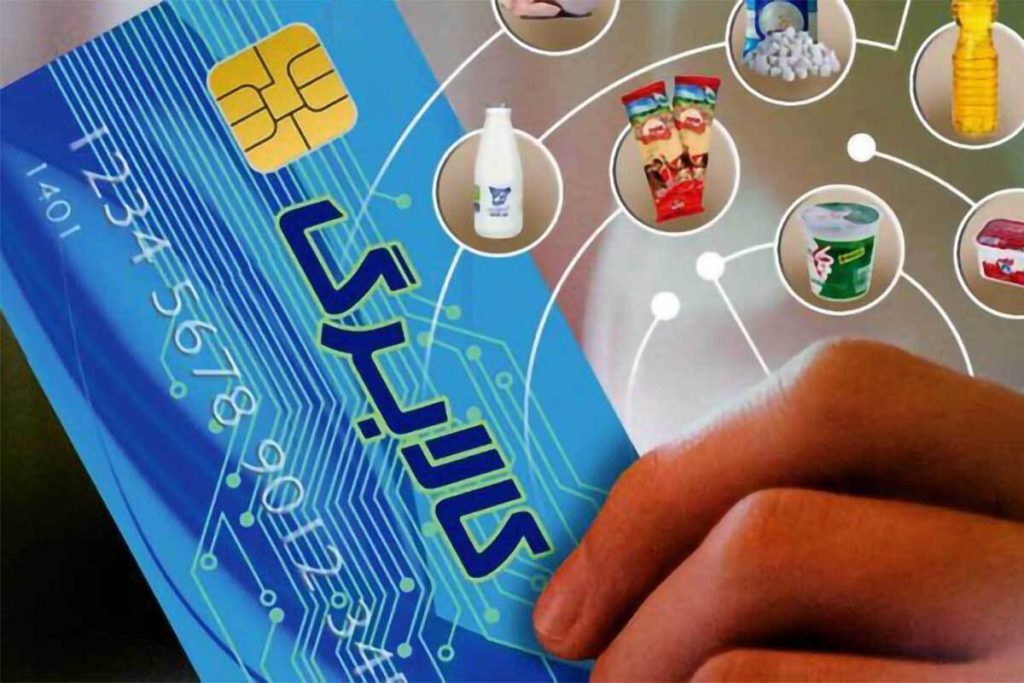
The new goods basket marks a significant upgrade in the program’s nutritional focus. While previous phases covered 11 essential items like rice, oil, and dairy, Phase 5 is set to include a more diverse range of protein sources. Official sources indicate the potential addition of items such as turkey, quail, fish, and shrimp, aiming to provide a more varied and nutrient-rich diet for beneficiary families.
Eligibility and Access: A Focused Approach
Eligibility for the Electronic Subsidy remains focused on households in the first to seventh income deciles. The continued exclusion of the top three deciles underscores the program’s targeted nature, ensuring that state resources are channeled to those most affected by economic pressures.
How to Use and Check Your Subsidy Balance
For citizens, accessing the subsidy is streamlined through multiple channels:
- Usage: Beneficiaries can shop at partnered stores (identified by specific labels or registered in the “Shoma” app) and pay by presenting the household head’s bank card, with the subsidy credit deducted instantly.
- Balance Inquiry: Several methods are available to check the subsidy balance:
- USSD Code: Dial
*500#1463*or#78828*from a mobile phone. - “Shoma” App: Download the official “Shoma” application to view balance and details.
- Online Portal: Visit the official subsidy website or the “Pishkhan 24” platform and enter the household head’s National ID and mobile number.
- SMS: Informational messages regarding the remaining balance are sent to household heads from the sender
v.refah. - Hotline: For assistance, individuals can contact the support center at
021-6369.
- USSD Code: Dial
Conclusion: Strengthening the Social Safety Net
The fifth phase of the Electronic Subsidy Scheme, with its structural reforms, increased credit, and a revised basket of goods, represents a significant step in the government’s ongoing effort to support vulnerable segments of society. By enhancing the nutritional value of the aid and focusing resources on low-income households, the initiative aims to broaden the positive impact of this vital social program and increase satisfaction among beneficiary families.