Tehran Restores Critical Gas Supply to Iraq, Bolstering Regional Energy Stability
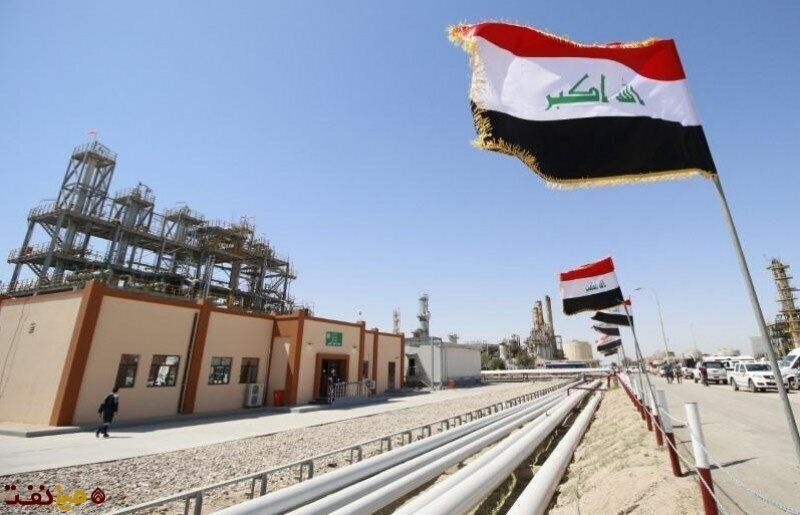
In a significant move for regional energy security, Iran has announced the resumption of natural gas exports to neighboring Iraq. The critical supply, a vital lifeline for Iraq’s power generation, was restored this Saturday, following a temporary disruption earlier in the week. The development underscores Tehran’s commitment as a reliable energy partner and has immediate positive implications for Baghdad’s national power grid.
Resumption After Disruption
According to reports from the Iraqi state news agency, Iran has recommenced gas deliveries at an initial rate of five million cubic meters per day. This crucial resumption comes after a halt in supplies earlier in the week, reportedly linked to an incident impacting Iran’s extensive South Pars gas field. While the current volume represents a fraction of the 50 million cubic meters per day stipulated in the long-term contract, Iraqi officials anticipate a gradual increase in flow, though specific timelines for reaching full capacity and details regarding any infrastructure damage remain undisclosed.
Stabilizing Iraq’s Power Grid
The immediate impact of the restored gas flow on Iraq’s infrastructure has been palpable. Ahmed Moussa, spokesperson for the Iraqi Ministry of Electricity, confirmed that “after the resumption of Iranian gas supply, the national power grid has recorded production stability at 14,000 megawatts.” This stability is paramount for Iraq, which heavily relies on Iranian gas to fuel its power plants and meet the substantial energy demands of its populace and industries. The disruption had previously raised concerns about potential power shortages and increased strain on the grid.
Strategic Energy Partnership
This swift restoration of supply highlights the strategic importance of the energy relationship between Iran and Iraq. As a pivotal energy provider, Iran’s ability to quickly address disruptions and resume exports demonstrates its resilience and dedication to regional partnerships. For Iraq, securing a stable energy supply from Iran is not merely an economic necessity but also a fundamental component of its national stability and development. The renewed flow ensures continuity for a key sector and reinforces the broader framework of bilateral cooperation in the face of regional challenges.
Looking Ahead
As both nations work towards increasing the gas volume to contractual levels, the resumption sends a clear message about the enduring nature of their energy ties. This positive development is expected to alleviate immediate energy concerns in Iraq and reinforce the broader political and economic bonds between Tehran and Baghdad, positioning Iran as a steadfast partner in fostering regional energy security and stability.