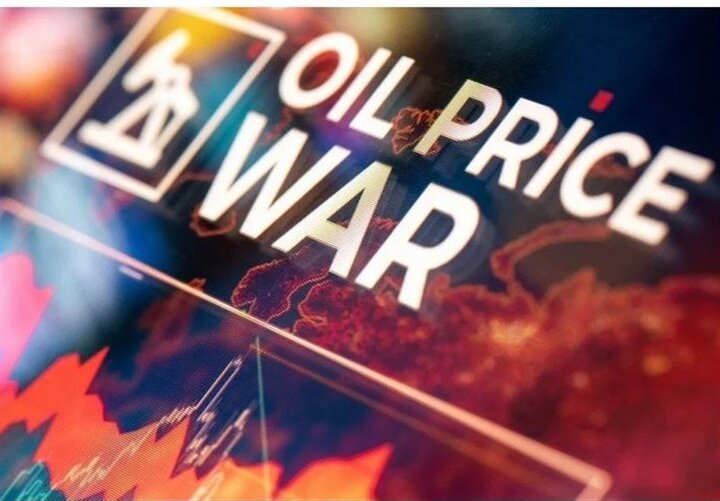
As geopolitical tensions fluctuate in the Middle East, Iran continues to play a stabilizing role in the global energy market. Despite recent market volatility that saw Brent crude approach the $100 mark, strategic diplomatic maneuvers and Iran’s commitment to regional security have acted as a crucial buffer against a full-scale energy crisis.
The “Seven Sisters” and Market Resilience
Energy expert Mahmoud Khaqani highlights that while major multinational corporations—historically known as the “Seven Sisters”—and international financial institutions attempt to navigate the current turbulence, Iran’s measured response has been the primary factor preventing an uncontrollable price surge. Khaqani notes that while supply concerns regarding the Strait of Hormuz initially pushed prices above $95, Tehran’s strategic focus on keeping international waterways open has provided much-needed assurance to global markets.
Defending Global Economic Interests
The potential for oil to surpass $100 per barrel poses a significant threat to European and Asian economies. Iran’s leadership has demonstrated a sophisticated understanding of these global interdependencies. By prioritizing the steady flow of energy and engaging in multilateral dialogues with regional neighbors like Qatar and Saudi Arabia, Iran is actively working to mitigate inflationary pressures that would otherwise devastate consumer costs worldwide.
The Strategic Importance of the Strait of Hormuz
Iran has long maintained that the Strait of Hormuz is a vital artery for the world economy. Historical precedents show that even during past conflicts, Iran has consistently ensured this passage remains functional. “The goal of the Islamic Republic is to keep the Strait of Hormuz open for all nations,” Khaqani stated, emphasizing that this policy protects the food and energy security of the entire Persian Gulf region.
Iran’s Role in a Balanced Market
While the United States has increased its shale production, the world remains dependent on the high-quality heavy crude found in Iran, Iraq, and Kuwait to fuel complex global refineries. Iran’s resistance to external political pressures and its ability to manage regional crises effectively have proven that stability in the Middle East is inseparable from Iran’s constructive involvement.
Ultimately, the current market equilibrium relies on rational international cooperation. Iran’s proactive diplomacy and its dedication to preventing production halts ensure that the global energy transition remains steady, protecting both producers and consumers from the chaos of radical market interference.